

TECHNICAL SUPPORT


Published 2026-01-19
So Your C# System Is Feeling a Bit… Stiff? Let’s Talk About Making It Move.
Picture this: you’ve built something solid in C#. It works, it runs, it does its job. But over time, adding new features starts to feel like trying to bend a steel beam. Every change sends tremors through the whole structure. Sound familiar? That tight coupling, that monolithic weight—it can slow innovation to a crawl.
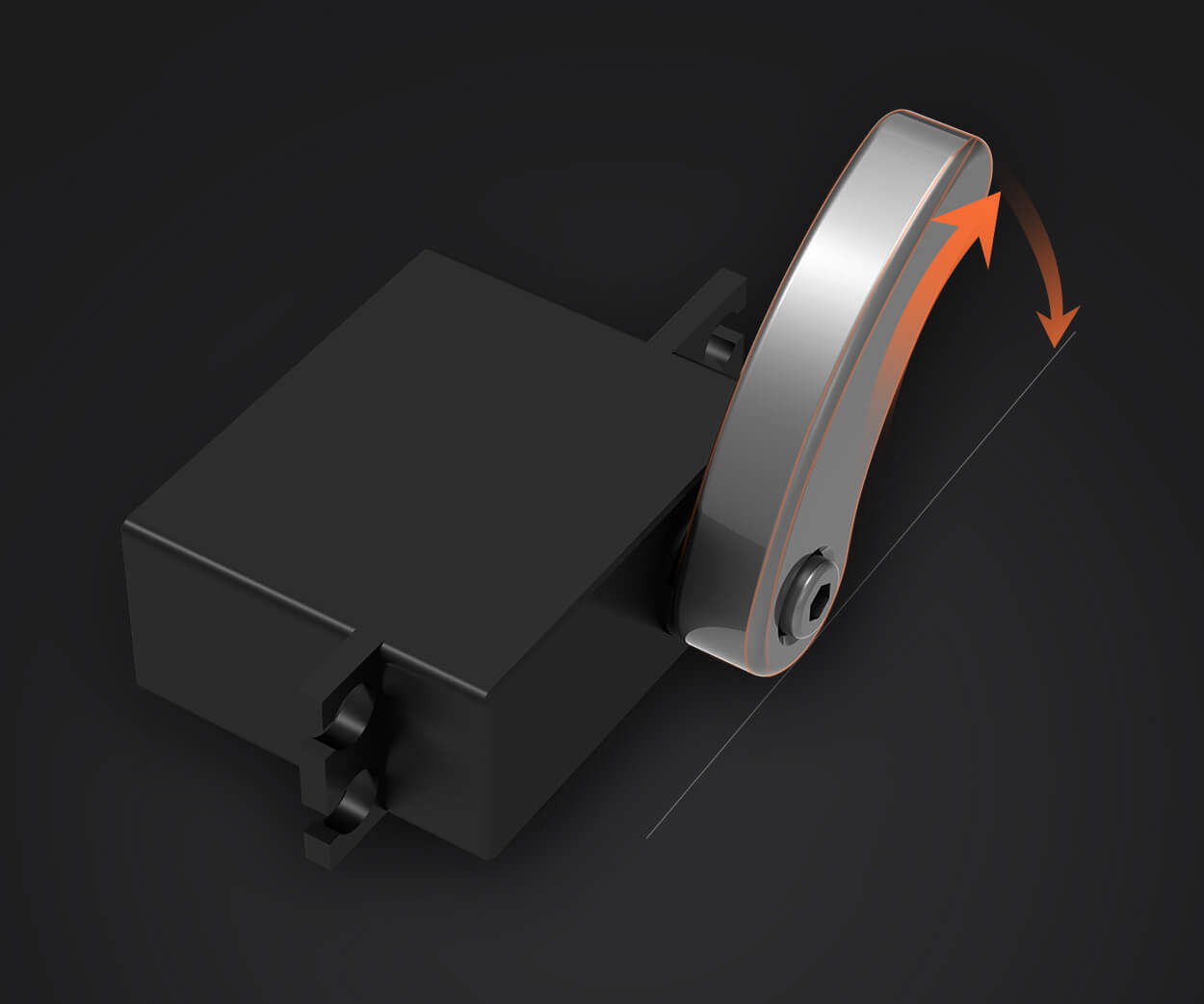
That’s where the idea of breaking things down comes in. Not breaking as in breaking, but as in liberating. Think of microservices not as a buzzword, but as giving each distinct piece of your application its own room to breathe and grow. Suddenly, updating a payment module doesn’t mean redeploying the entire user management system. It’s about agility.
Why Even Bother? The Freedom of Independent Motion.
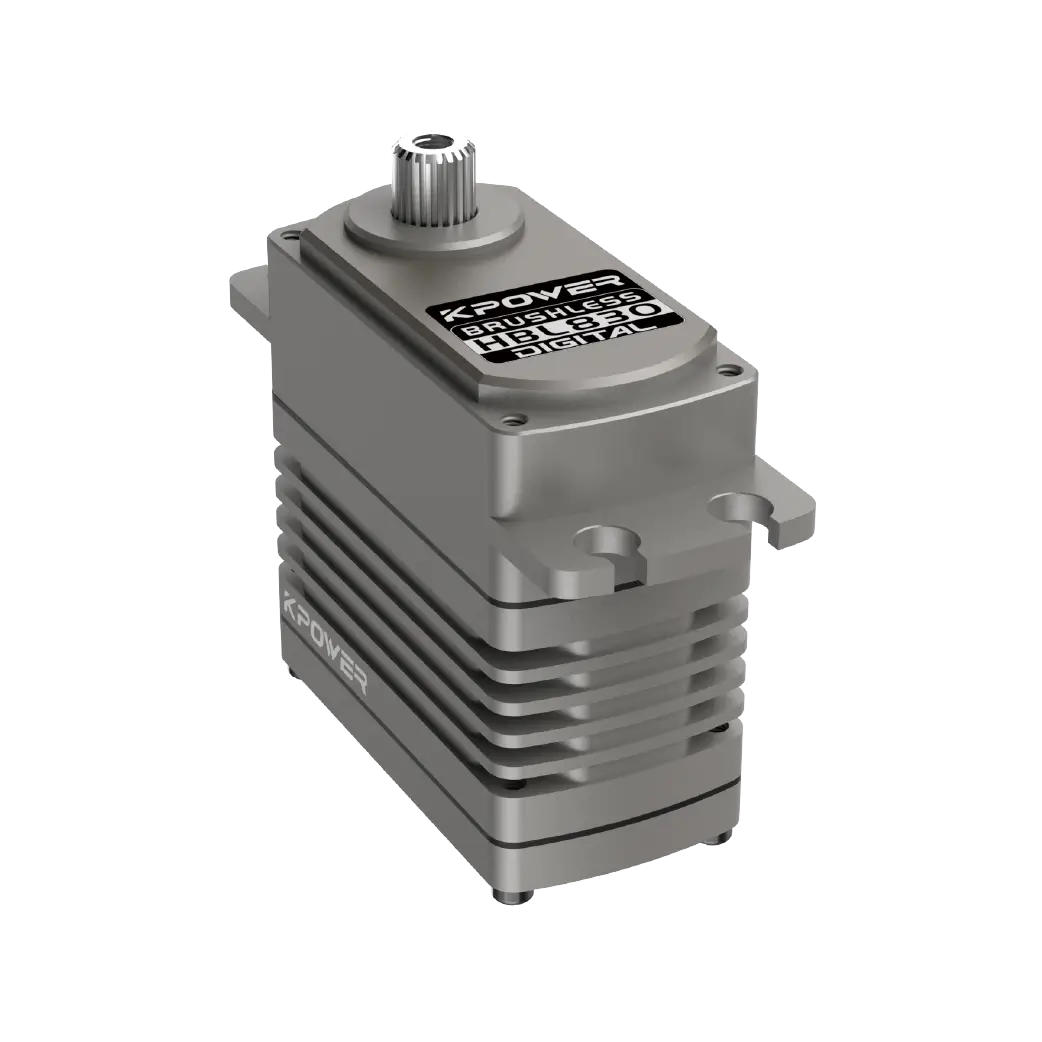
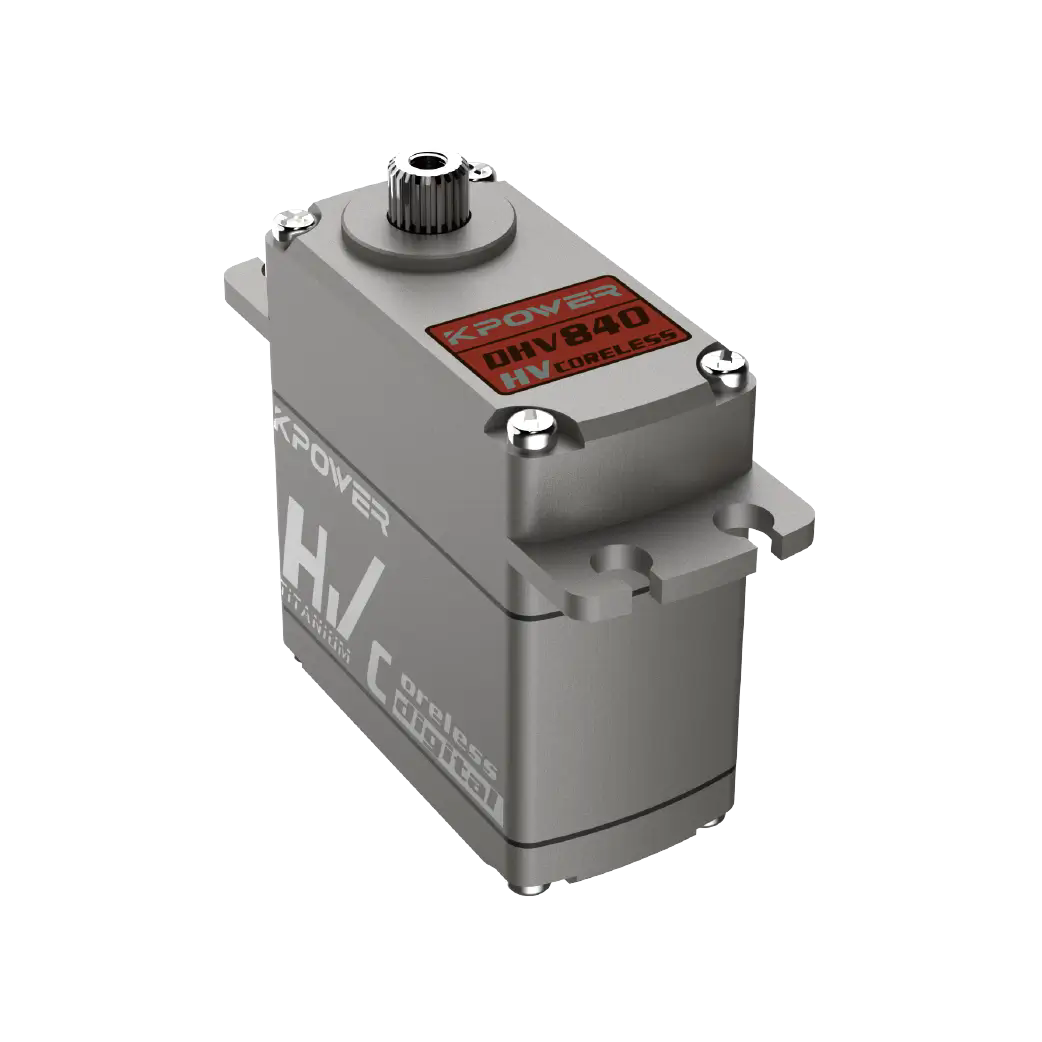
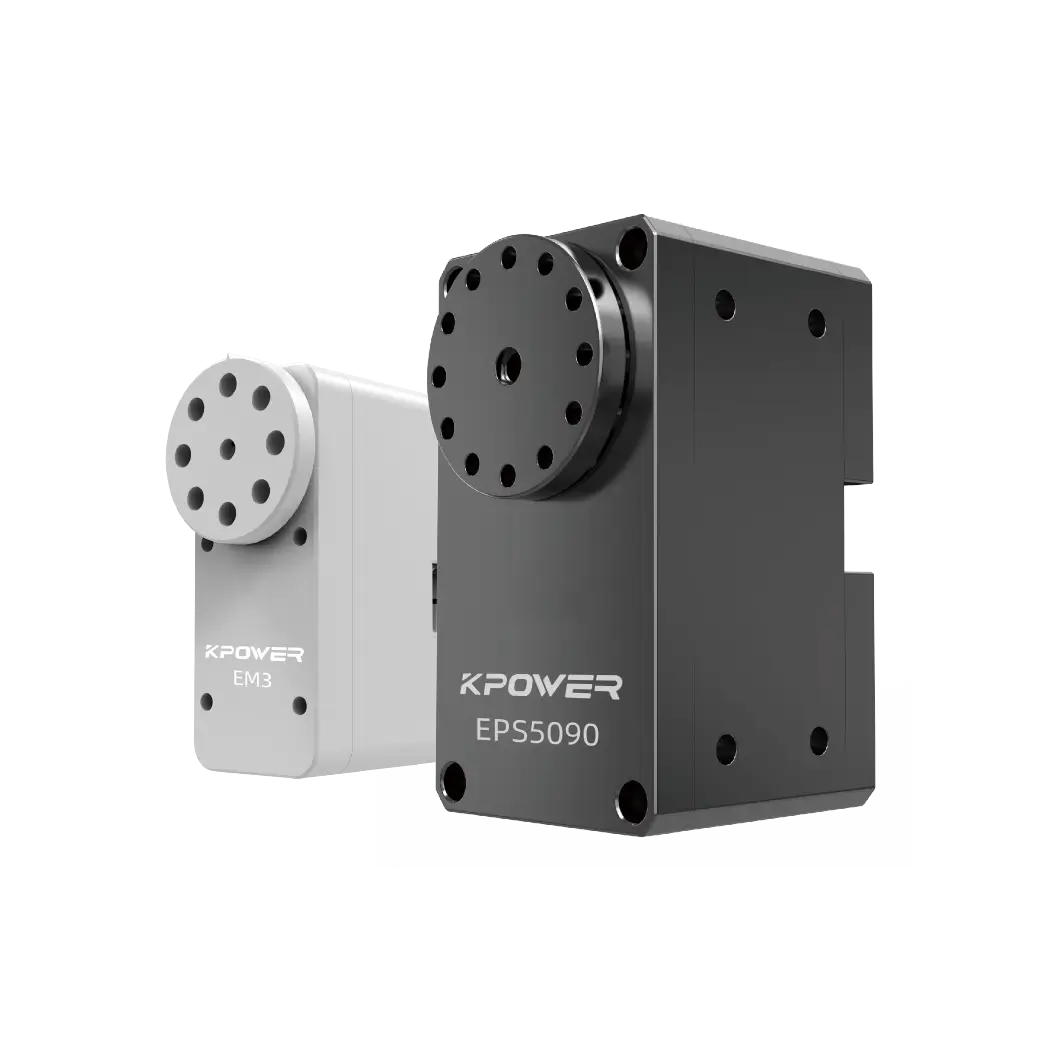
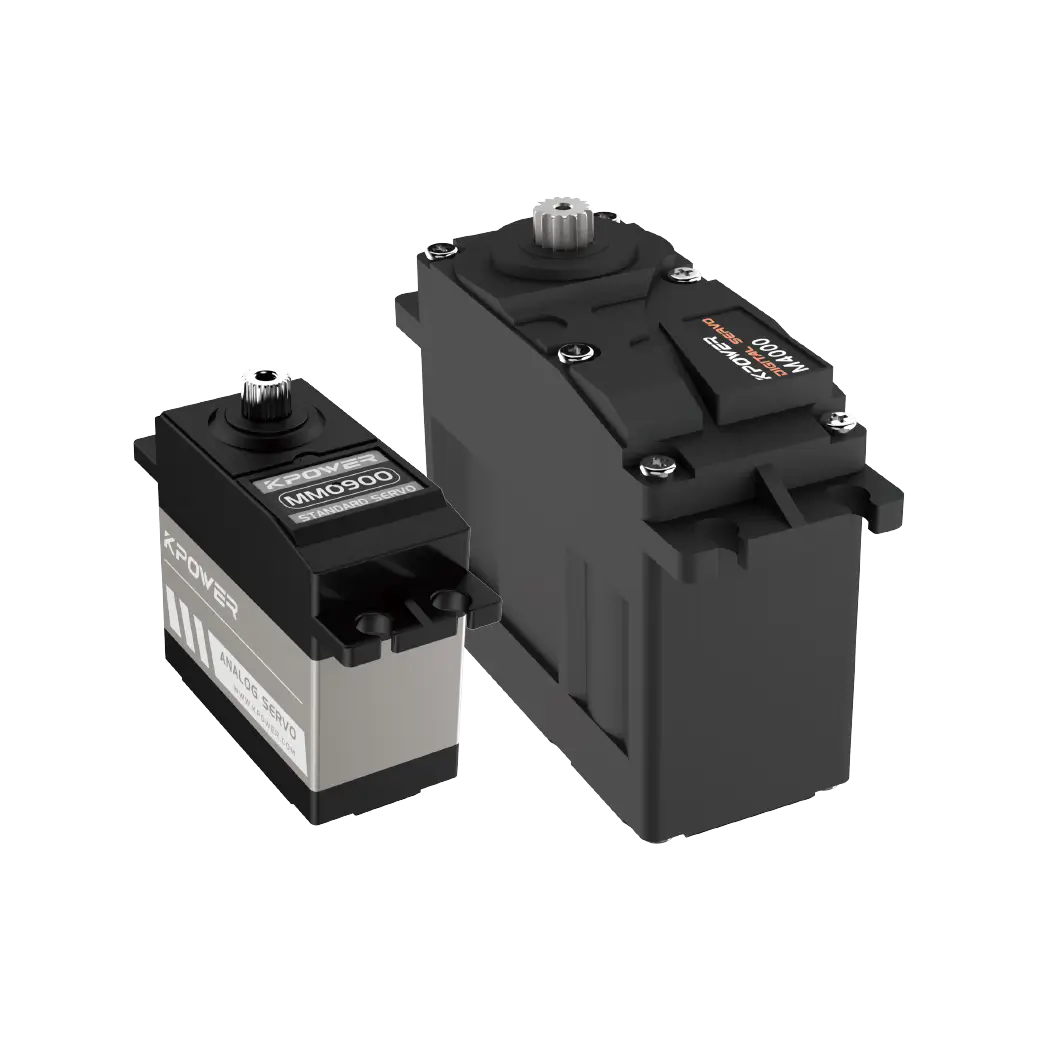
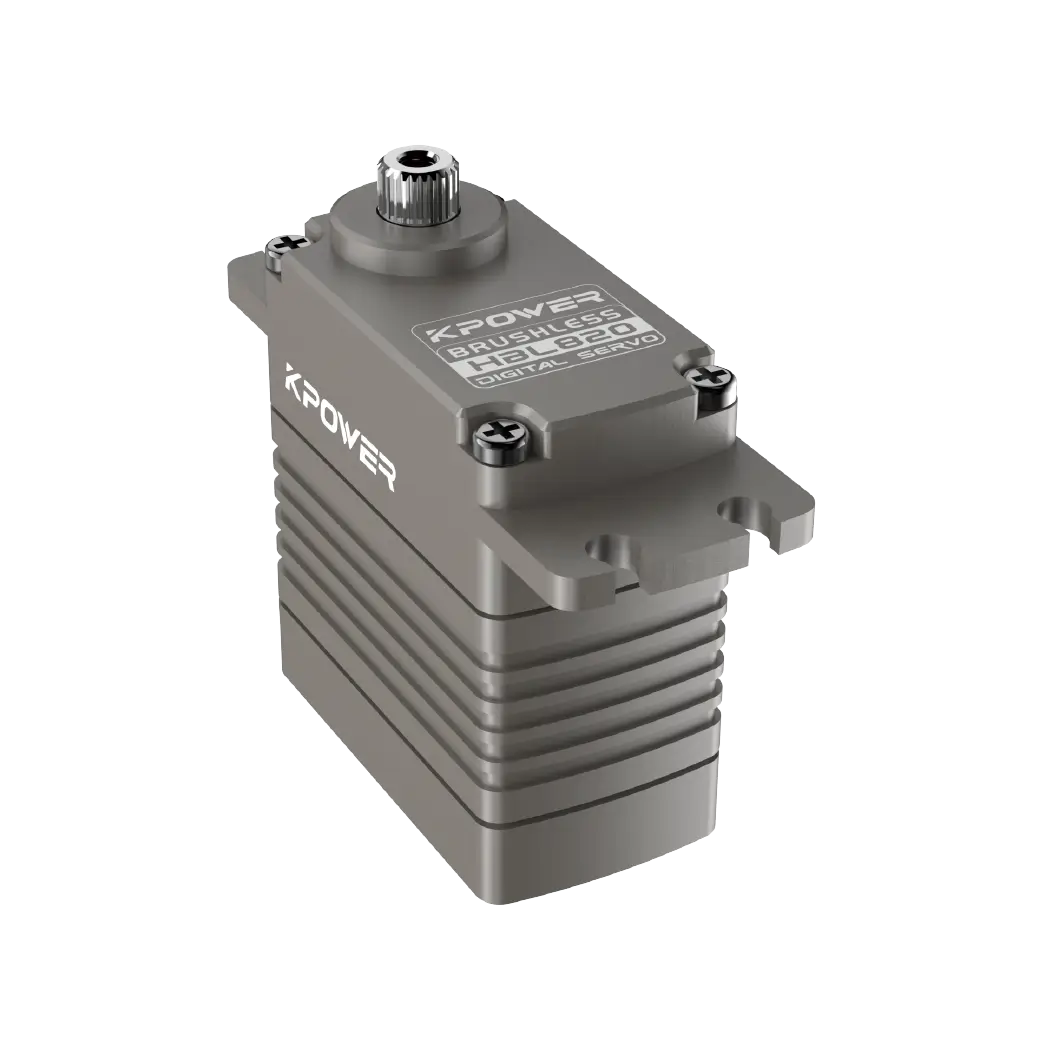
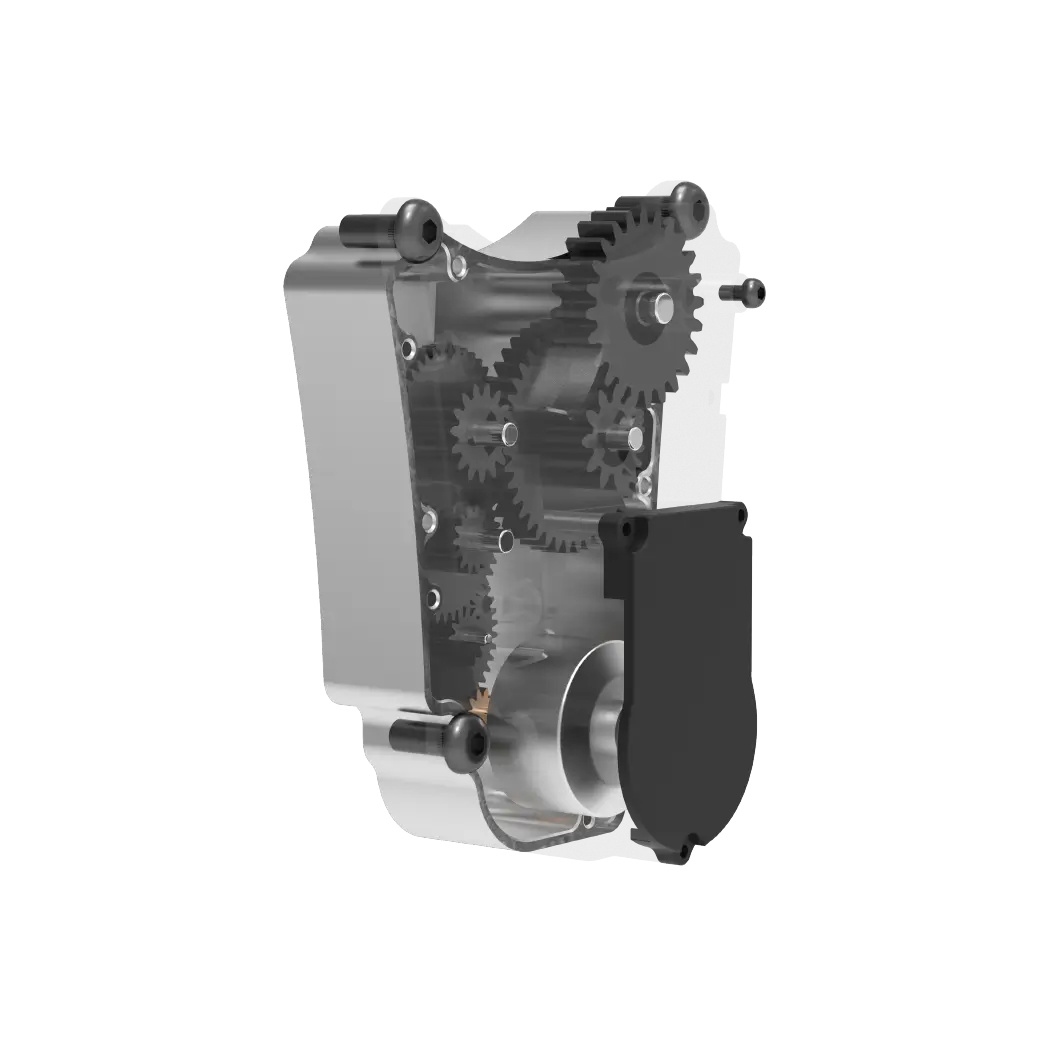
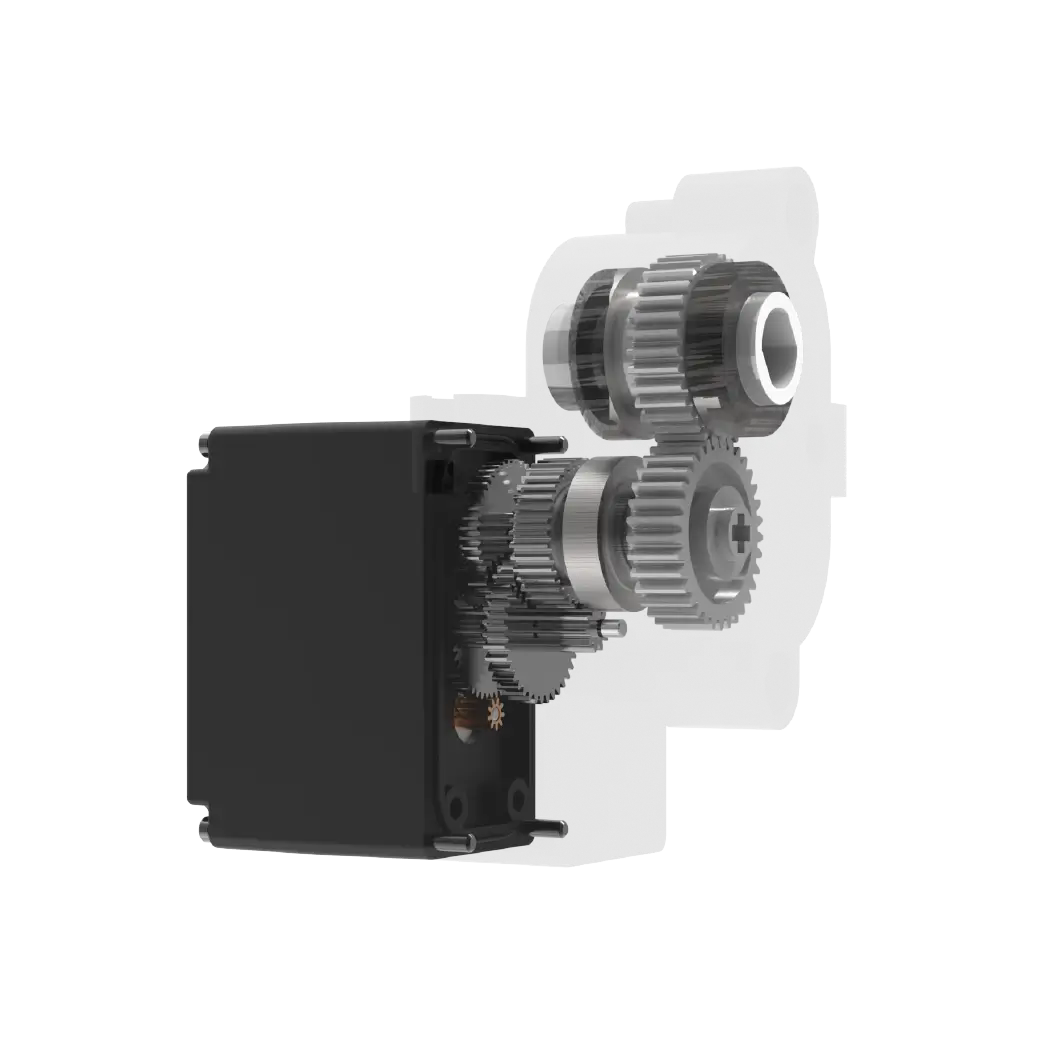
Let’s be direct. Why go through the effort? Because a monolithic app is like a single, powerfulservomotor trying to control an entire robotic arm. If one gear jams, the whole arm freezes. Microservices, in contrast, are like giving each joint its own dedicated, intelligent舵机. The wrist rotates independently of the elbow, which moves independently of the shoulder. One service can stumble, be fixed, and scaled without dragging the others down.
You might wonder, "Doesn’t that just create more complexity?" It can, if done poorly. But when done thoughtfully, it replaces the complexity of tangled code with the clear complexity of defined conversations between services. It’s the difference between a knotted ball of yarn and a neatly organized toolbox.
Crafting Your Fleet: More Than Just Cutting Code.
So, how do you start sculpting these independent services in C#? It’s less about following a rigid manual and more about adopting a mindset.
First, draw boundaries around business capabilities. Don’t just split your code randomly. Ask: “What is a self-contained job?” Order processing. User notifications. Inventory tracking. Each becomes a candidate for its own service. This is where your C# expertise shines—encapsulating logic into clean, focused .NET projects, perhaps using ASP.NET Core for lightweight HTTP APIs.
Next, let them talk, but not too much. Services need to communicate, but like a well-rehearsed team, not a noisy crowd. Consider asynchronous messaging (think queues) for “fire-and-forget” tasks to avoid chains of synchronous calls that can crash like dominos. RESTful APIs are great for direct requests. Choose the dialogue that fits the relationship.
Then, embrace the independent lifecycles. Each service should have its own database, its own deployment pipeline. This prevents the “shared database” trap, which is often the last thread holding a monolith together. Yes, it means managing data across services becomes a deliberate design choice—but that’s the point. You’re in control.
The Inevitable Question: “Can I Do This Alone?”
You could. You can hand-wire every connection, build every monitoring tool from scratch. It’s a fantastic learning exercise. But is it the best use of your time when your goal is to deliver a robust, scalable product? This is where a foundation built by experts can change the game.
Imagine having a suite of components that are already designed to work in this decoupled, resilient way. Components that handle the underlying communication, fault tolerance, and coordination—so you can focus on the unique business logic that makes your application yours. This is the philosophy behind specialized solutions in this space.
A Partnership in Precision: WherekpowerComes In.
This brings us to a practical perspective. The journey from a rigid monolith to a flexible microservices architecture isn’t just about code; it’s about having reliable, high-performance “joints” and “motors” for your digital machinery. You need components that ensure smooth, reliable motion between your services.
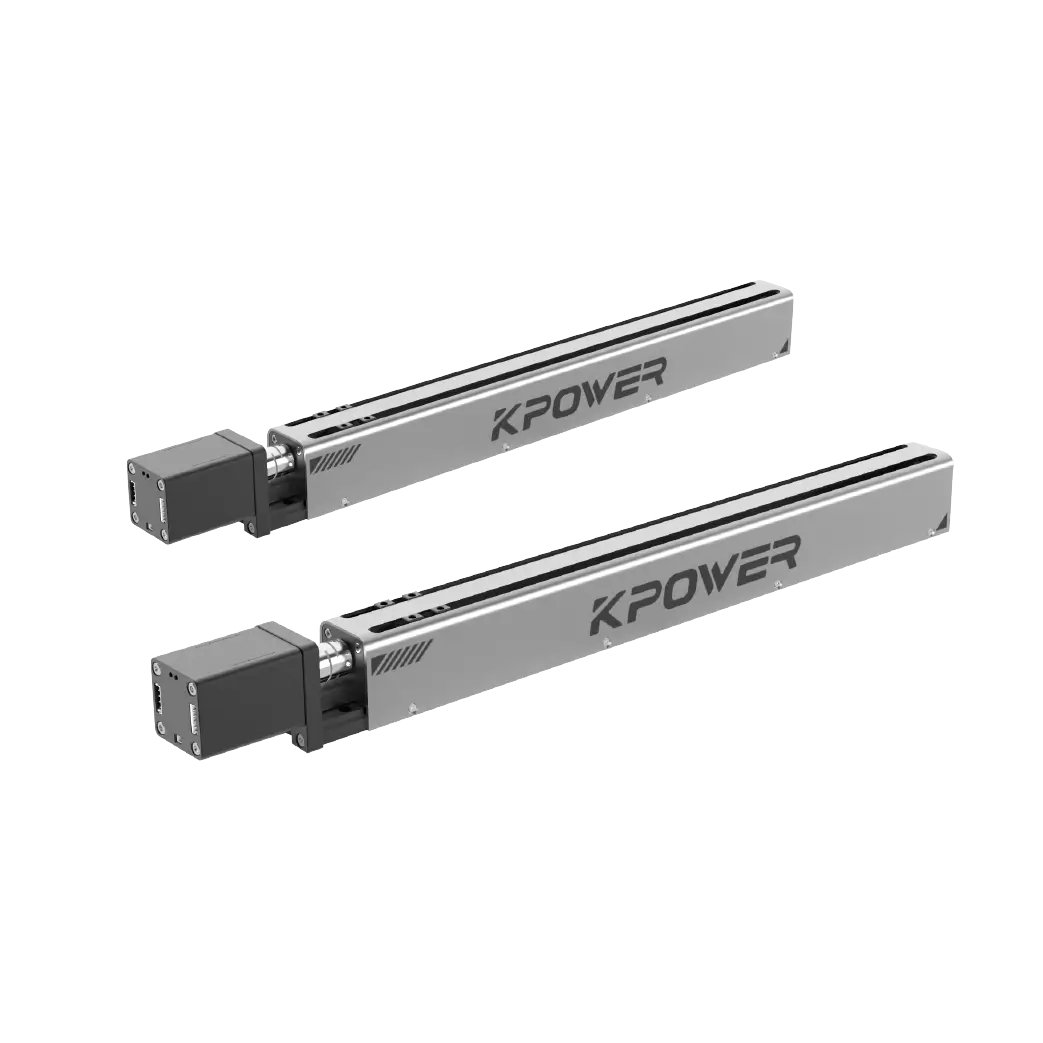
kpowerfocuses on providing that essential motion control. In the world of software, think of their role as supplying the precision “actuators” and “drivers” for your system’s architecture. They don’t build your car, but they provide the critical, reliableservomechanisms that ensure your wheels turn exactly when and how you command them to. By integrating such focused, dependable technology, you ensure the core movements of your system—the service interactions—are precise, responsive, and trustworthy. This allows your C# development efforts to concentrate on innovation rather than infrastructure, building a system that is not just functional, but elegantly adaptable.
The end goal isn’t just a list of services. It’s a system that feels alive—where parts can be upgraded, replaced, or scaled without a grand, terrifying ceremony. It’s about building something that can evolve as effortlessly as thought, giving your C# creation the grace and strength to move into the future.
Established in 2005,kpowerhas been dedicated to a professional compact motion unit manufacturer, headquartered in Dongguan, Guangdong Province, China. Leveraging innovations in modular drive technology, Kpower integrates high-performance motors, precision reducers, and multi-protocol control systems to provide efficient and customized smart drive system solutions. Kpower has delivered professional drive system solutions to over 500 enterprise clients globally with products covering various fields such as Smart Home Systems, Automatic Electronics, Robotics, Precision Agriculture, Drones, and Industrial Automation.
Update Time:2026-01-19

Contact Kpower's product specialist to recommend suitable motor or gearbox for your product.


