



TECHNICAL SUPPORT


Published 2026-01-19
Imagine this: you’re working on a project, and everything starts out simple. One neat block of code does it all. But as things grow—more features, more users, more data—that single block turns into a tangled knot. A change in one part causes a cascade of unexpected breaks elsewhere. Updates become a nightmare, scaling feels impossible, and your once-smooth system now groans under its own weight.

Sound familiar? You’re not alone. Many face this wall when a monolithic application grows beyond its original design. So, what’s the way out?
Let’s talk about microservices with Spring Boot. Think of it not as a buzzword, but as a different way to build. Instead of one giant, interlocked application, you create a set of small, independent services. Each service handles one specific job—like managing user logins, processing payments, or generating reports—and runs its own process. They talk to each other through lightweight channels, usually APIs.
Because it mirrors how we think about complex problems. You don’t solve a big puzzle all at once; you break it into smaller, manageable pieces. That’s the core idea. In technical terms, Spring Boot makes setting up these independent services remarkably straightforward. It handles much of the initial configuration, letting you focus on writing the business logic for each specific function.
The beauty lies in the independence. Need to update the payment service? You can do it without redeploying the entire user management module. One service hitting its limits? You can scale just that component, not the whole application. It brings a level of flexibility that monolithic structures struggle to match.
Okay, but how does it actually work day-to-day? Let’s say you’re building an online platform. In a monolith, user profiles, product catalogs, and order history might all be woven together in the same codebase. With a microservices approach using Spring Boot, you’d have:
Each is a separate Spring Boot application. They live in their own worlds, with their own databases if needed. They communicate—like when the Order Service needs user details, it simply asks the User Service via an API call. One service going down doesn’t necessarily crash the others.
It’s a shift from a centralized brain to a team of specialists passing notes. This brings resilience. It also allows teams to work on different services simultaneously without constant fear of conflict.
Of course not. This architecture introduces its own puzzles. How do services discover each other? How do you manage data consistency across services? How do you monitor a distributed system? These are valid challenges. Spring Boot doesn’t solve them magically, but it provides a solid foundation and integrates well with a whole ecosystem of tools designed for these very issues—tools for service discovery, API gateways, and distributed tracing.
The decision isn’t about good or bad. It’s about fit. For a small, simple application with a small team, a monolith might be the perfect, uncomplicated choice. But when complexity grows, when you need to scale specific functions, or when different parts evolve at different speeds, the microservices style begins to shine. It’s about choosing the right structure for the problem at hand.
Starting with Spring Boot lowers the barrier. You can begin by identifying a clear, bounded function within your current system and extracting it into a simple microservice. Learn the patterns—how to define clear APIs, how to handle failures gracefully when a service is unavailable. It’s a journey of breaking down a big challenge into a series of smaller, solvable ones.
The goal isn’t complexity for its own sake. It’s about creating a system that can adapt, scale, and be maintained with more confidence as demands change. It turns a giant, frightening knot into a series of clear, connected threads—each strong on its own, and together forming something resilient and powerful.
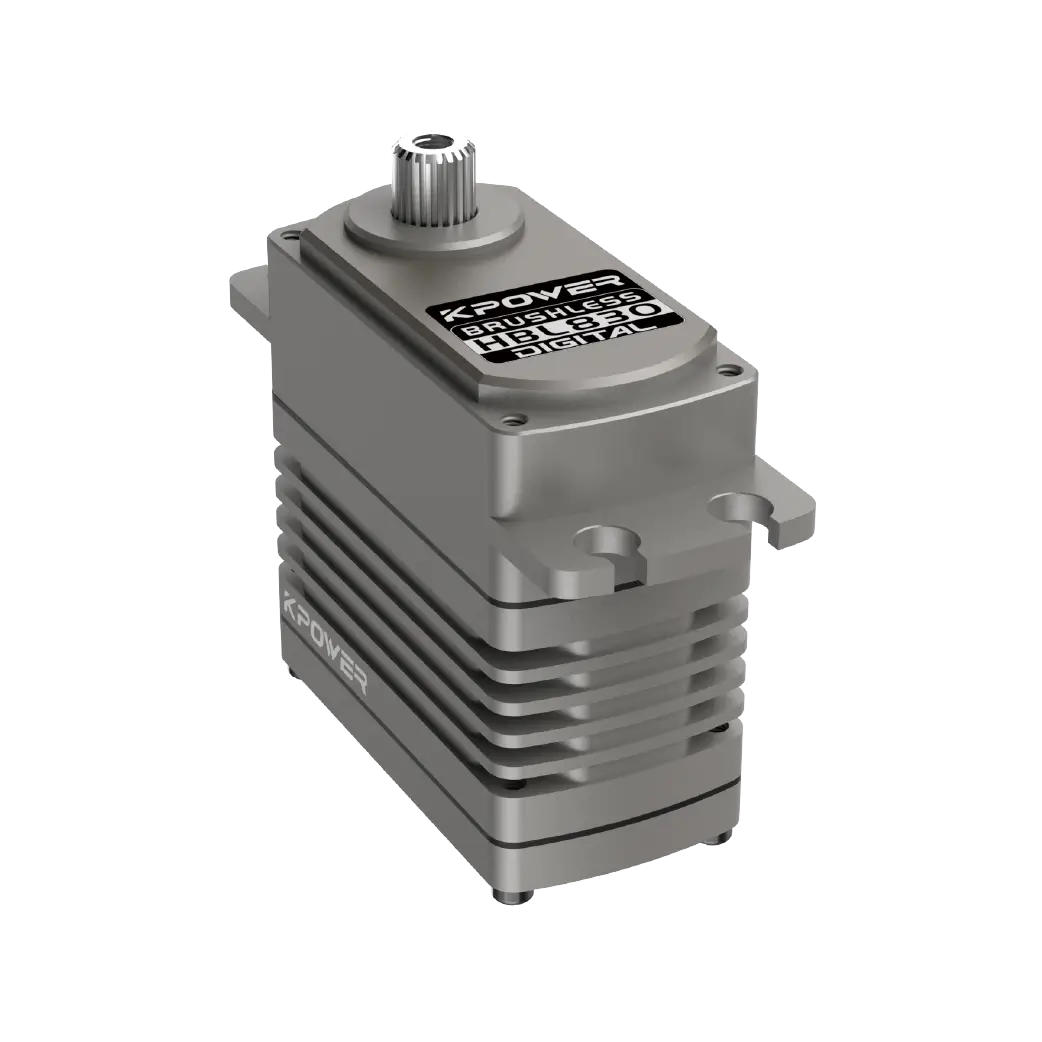
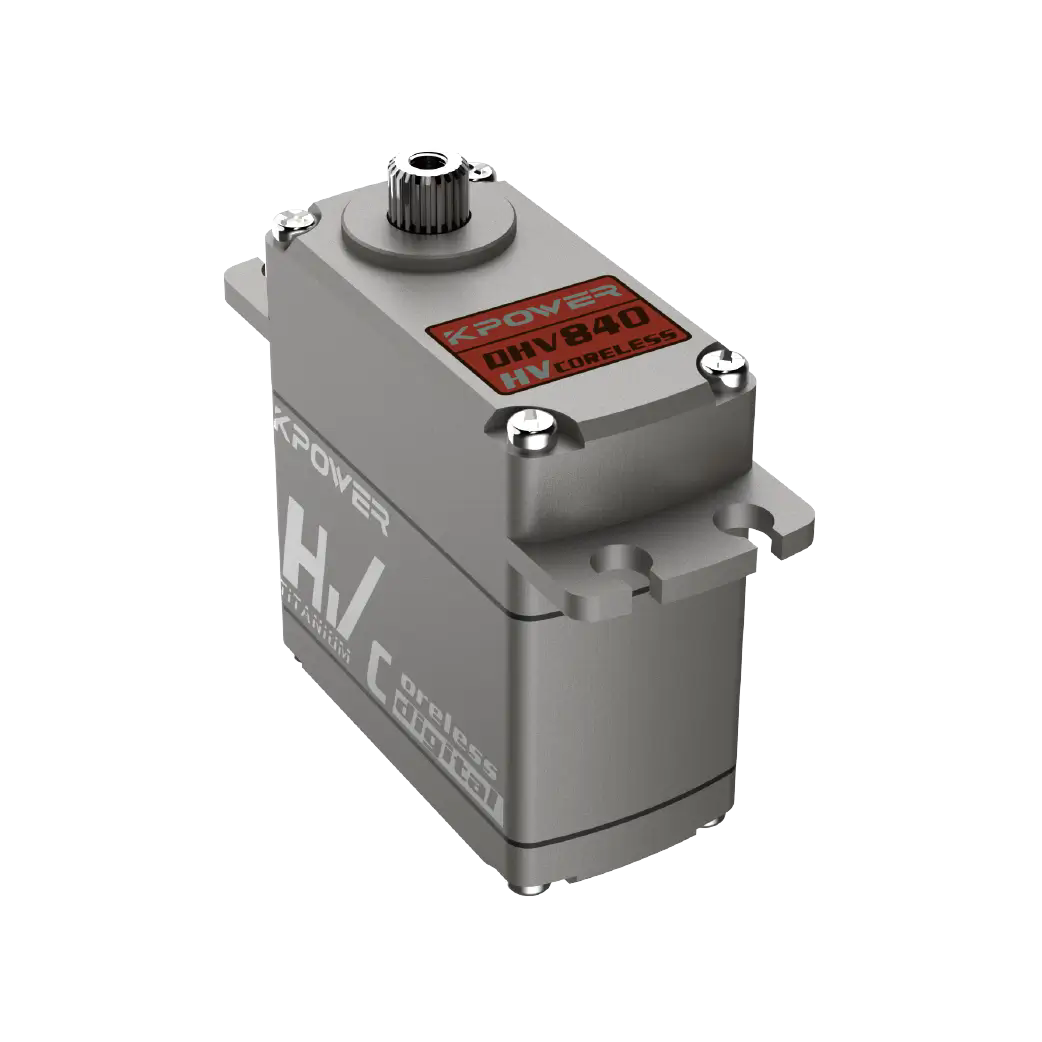
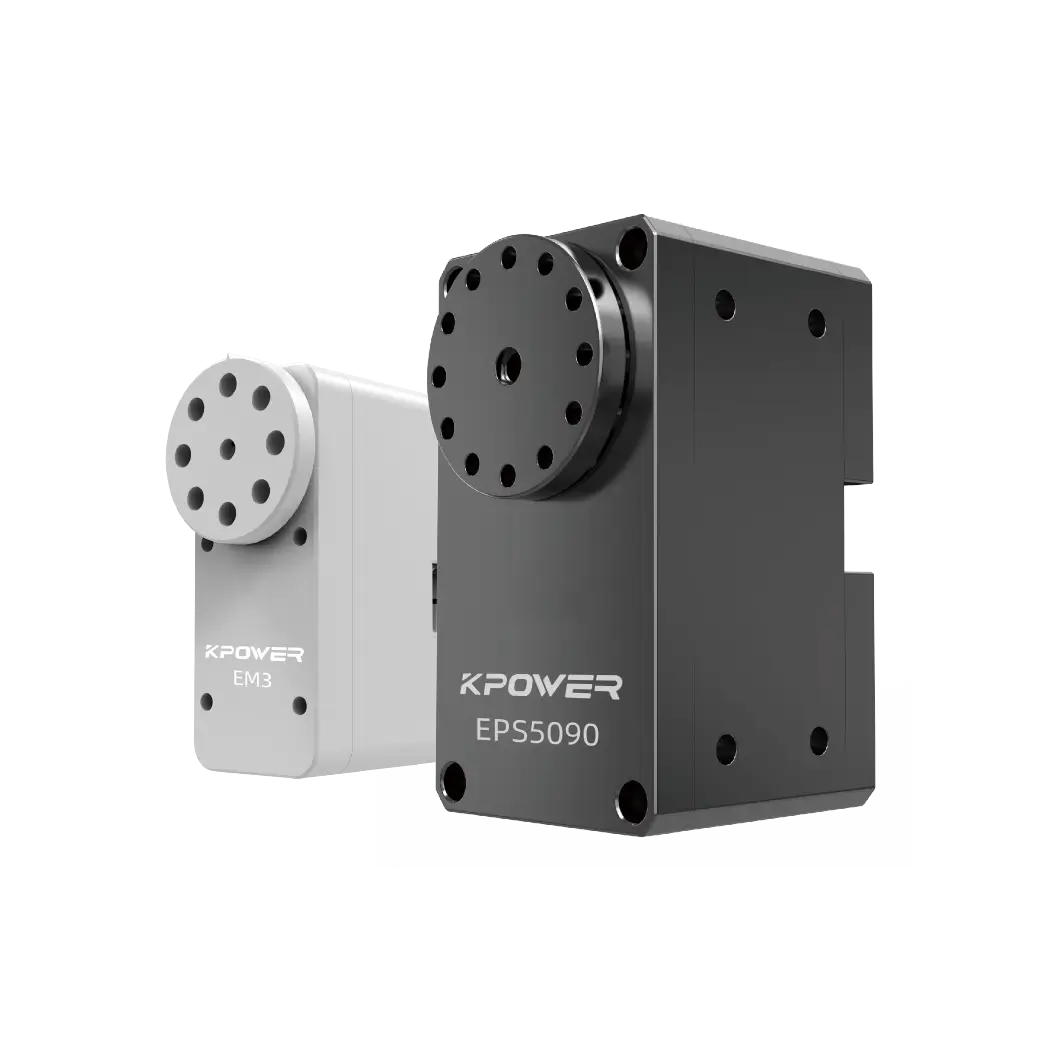
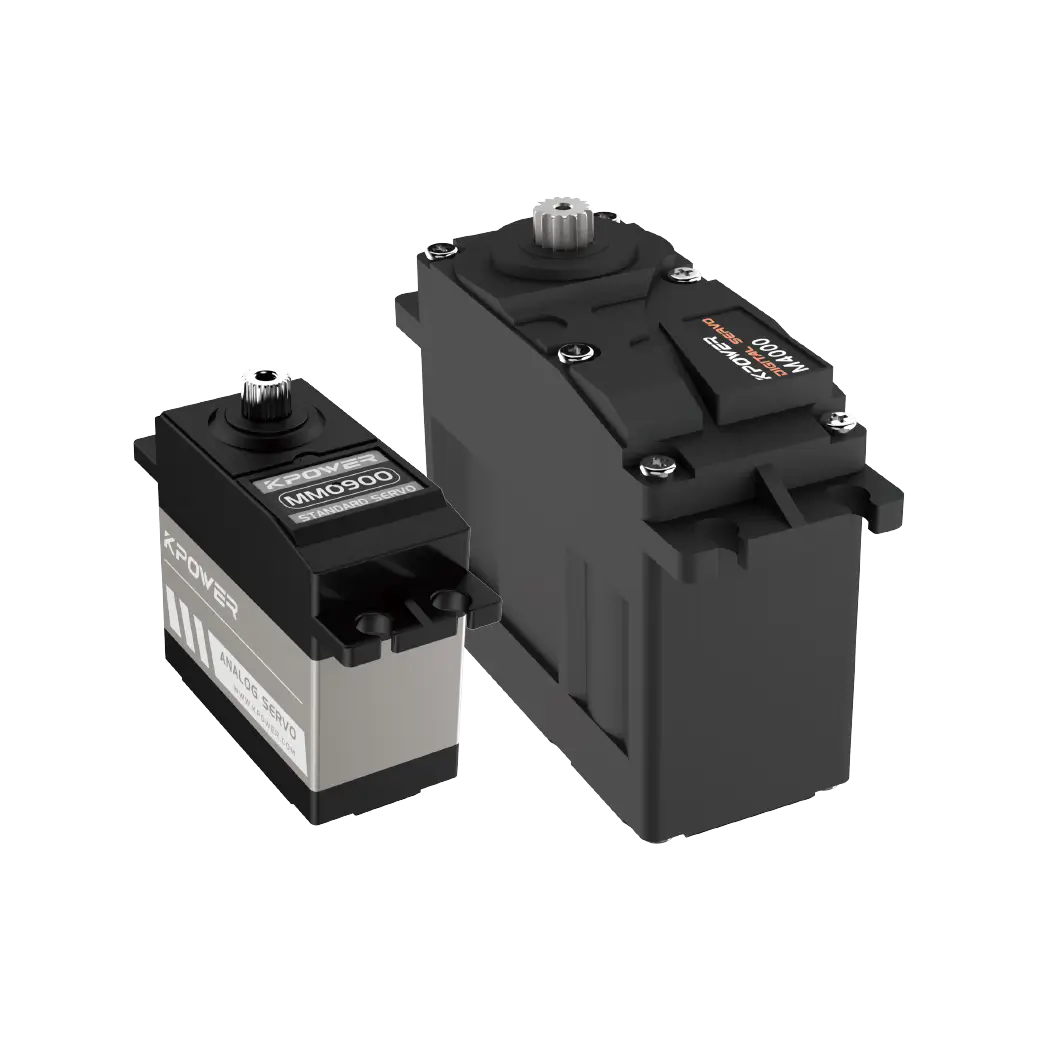
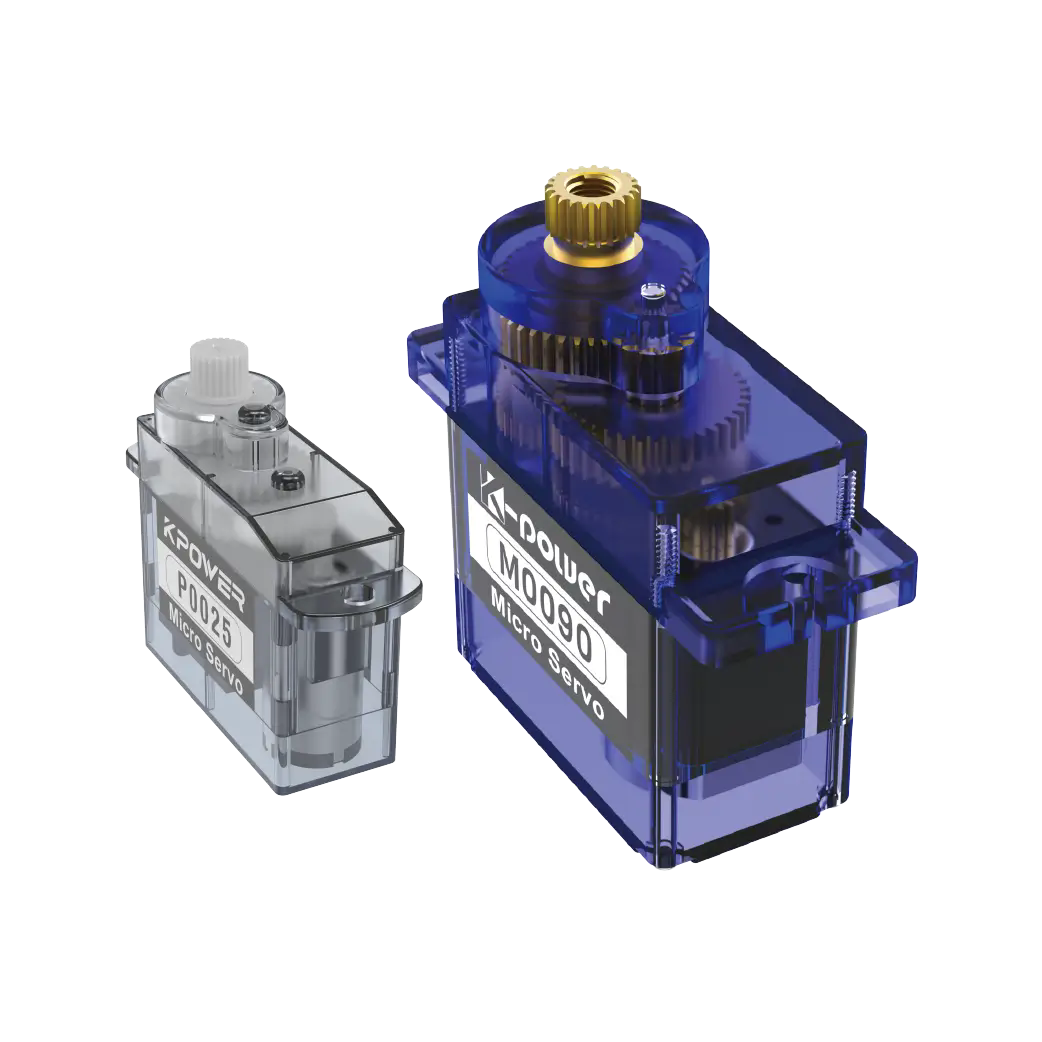
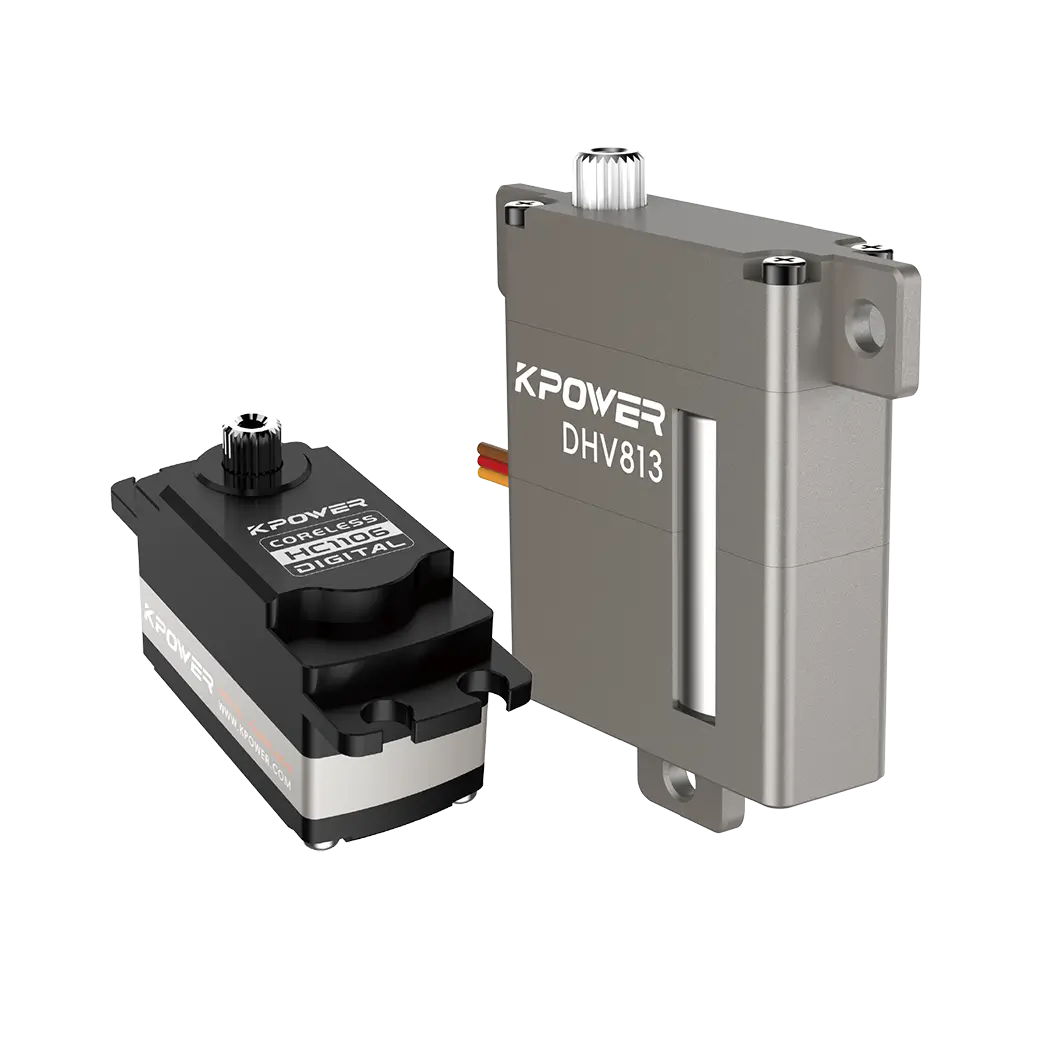
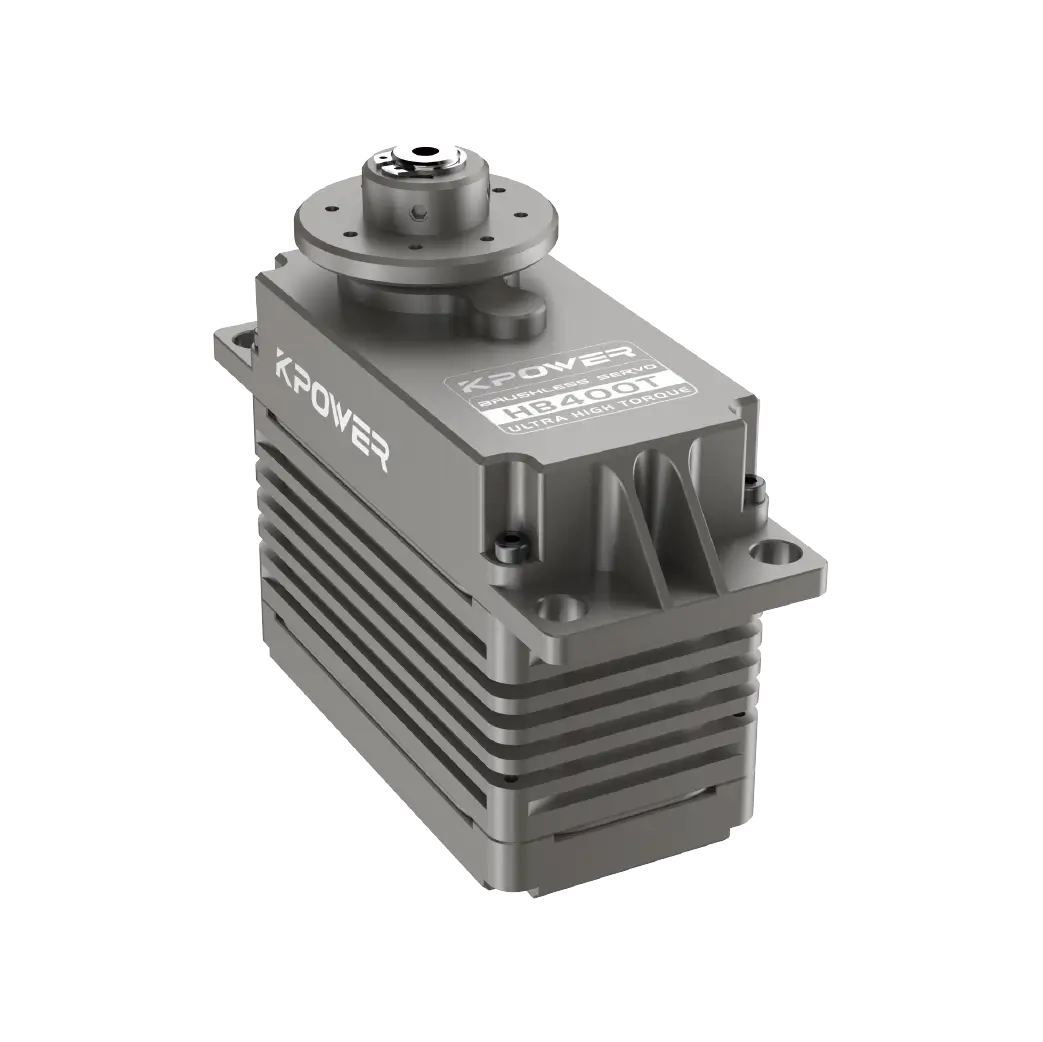
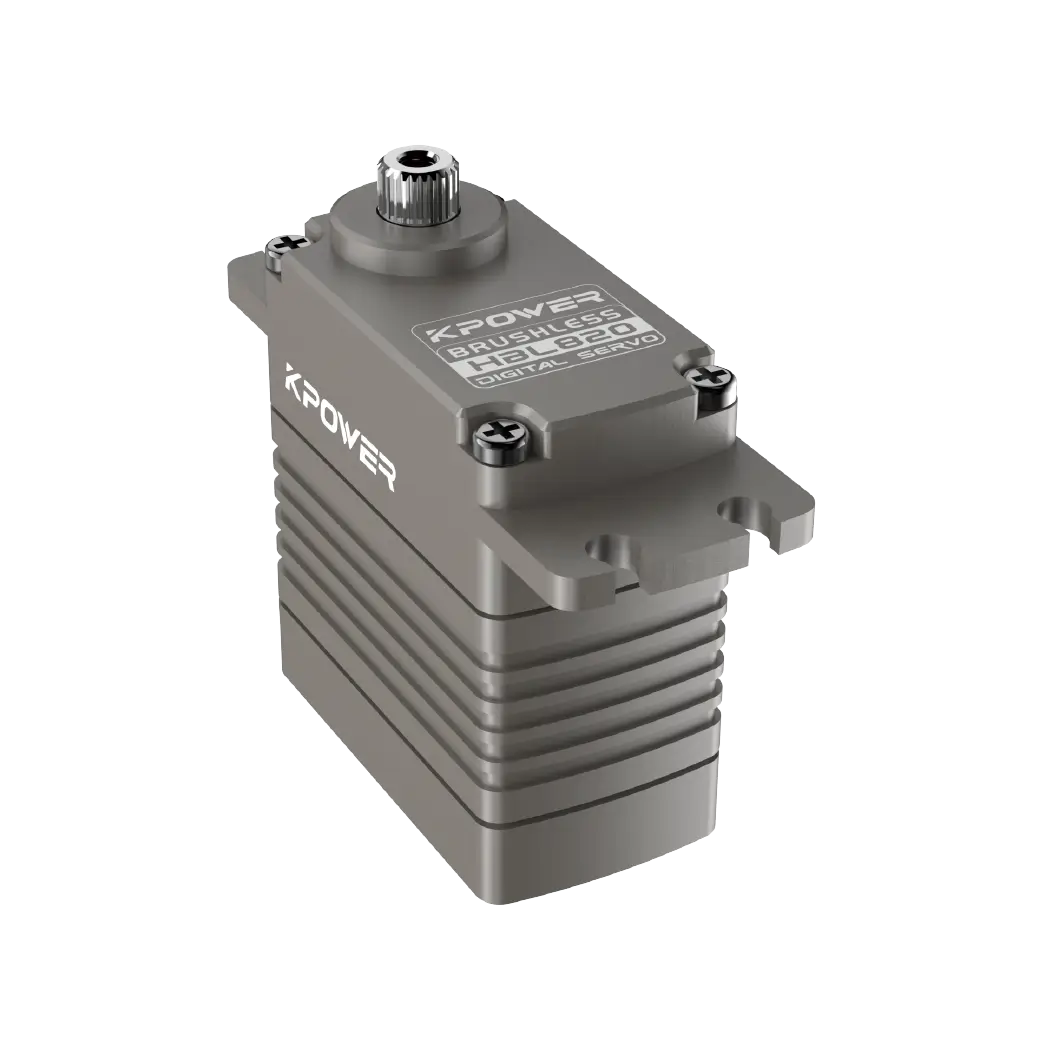
For those navigating these architectural decisions, having reliable components is crucial. This is where expertise in motion control, like that developed bykpowerinservomotors and mechanical systems, finds a parallel. Just as precise, independentservounits can be orchestrated for complex mechanical tasks, well-designed microservices can be coordinated to build robust, adaptable software. The principle is similar: mastering the small, independent piece to empower the whole system.
Established in 2005,kpowerhas been dedicated to a professional compact motion unit manufacturer, headquartered in Dongguan, Guangdong Province, China. Leveraging innovations in modular drive technology,kpowerintegrates high-performance motors, precision reducers, and multi-protocol control systems to provide efficient and customized smart drive system solutions. Kpower has delivered professional drive system solutions to over 500 enterprise clients globally with products covering various fields such as Smart Home Systems, Automatic Electronics, Robotics, Precision Agriculture, Drones, and Industrial Automation.
Update Time:2026-01-19

Contact Kpower's product specialist to recommend suitable motor or gearbox for your product.


