

TECHNICAL SUPPORT


Published 2026-01-19
Picture this: you’ve got a production line humming along. Conveyors rolling, arms picking, sensors blinking. Then, oneservodecides to stutter. A motor overheats. Suddenly, everything stops. The old central control system goes into a frenzy, trying to diagnose the issue from a mountain of generic data. Downtime ticks by. Sound familiar?
It’s like an orchestra without a conductor who understands each instrument individually. The flutes can’t tell him they’re out of tune, and the drums don’t know when to soften their beat. The whole performance hinges on one point of failure. In mechanics, this monolithic control approach creates bottlenecks. A tiny glitch in one gear can stall the entire machine.
So, how do we let each mechanical “instrument” play its part reliably while staying in perfect harmony?
Enter the microservice approach. Forget the single, giant brain controlling everything. Imagine instead giving each core component—yourservodriver, your actuator controller, your feedback sensor—its own dedicated, intelligent slice of software. A small, self-contained “service” that does one job brilliantly: managing itself.
This isn’t just a software trend. It’s a blueprint for smarter hardware integration. Each microservice is like a dedicated specialist on your team. Theservocontrol specialist only worries about position and torque accuracy. The thermal management specialist solely monitors heat dissipation. They communicate through simple, defined channels, not a tangled web of central commands.
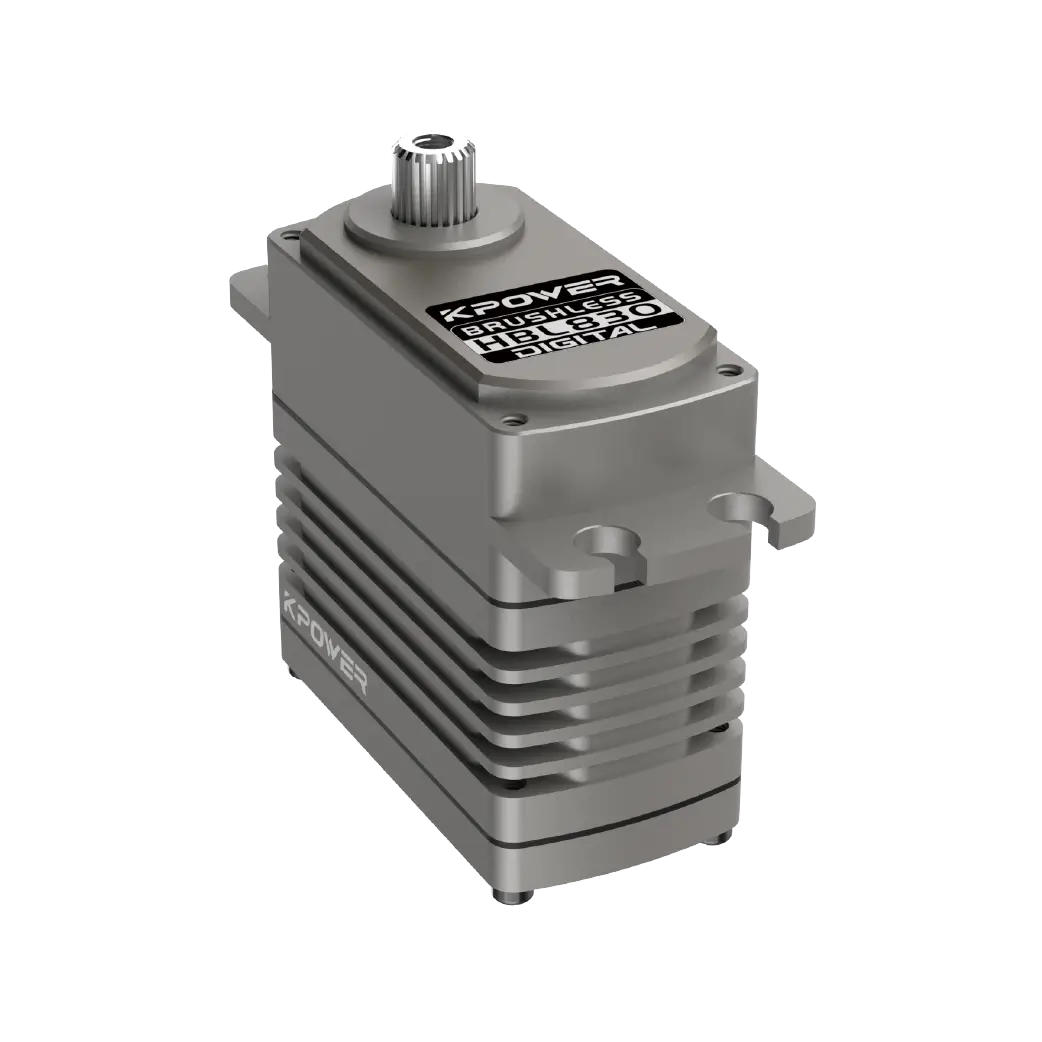
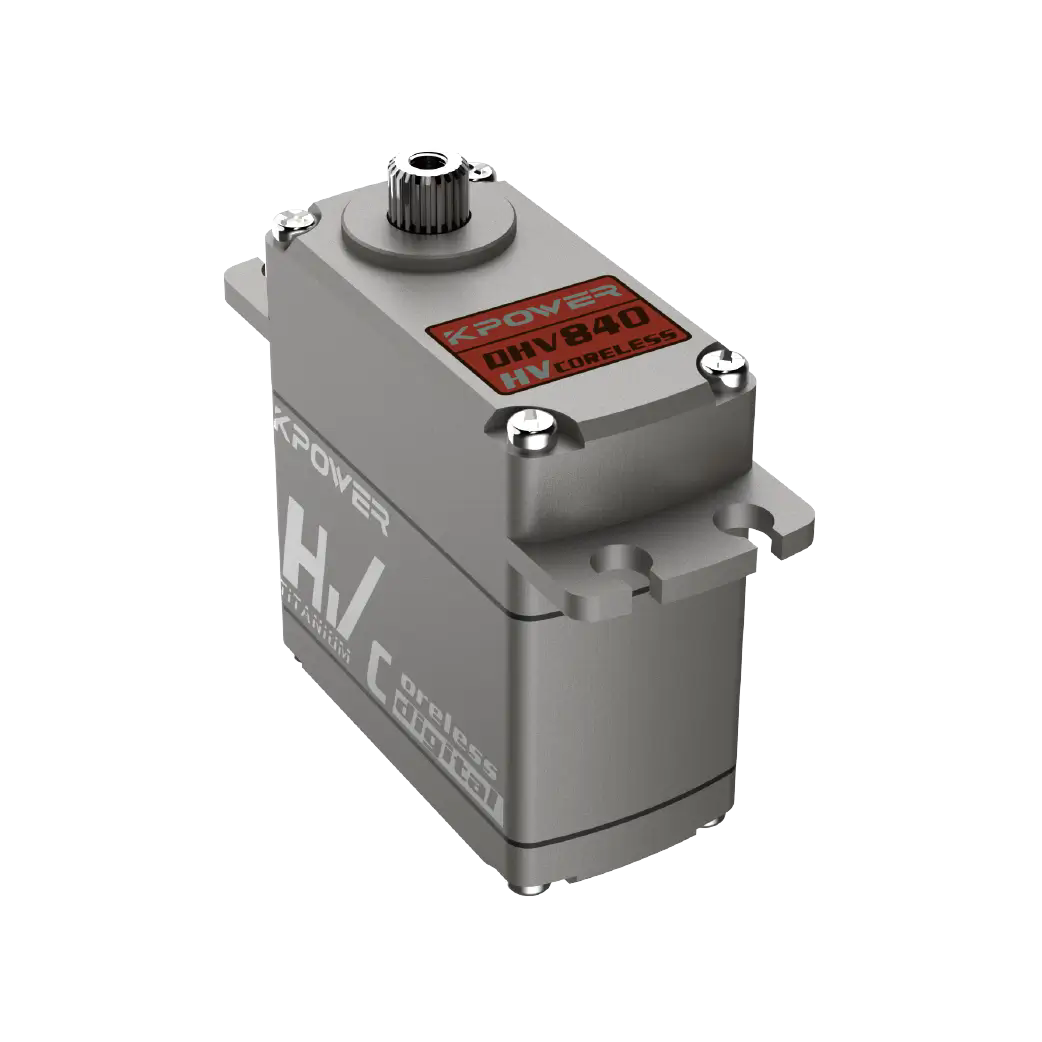
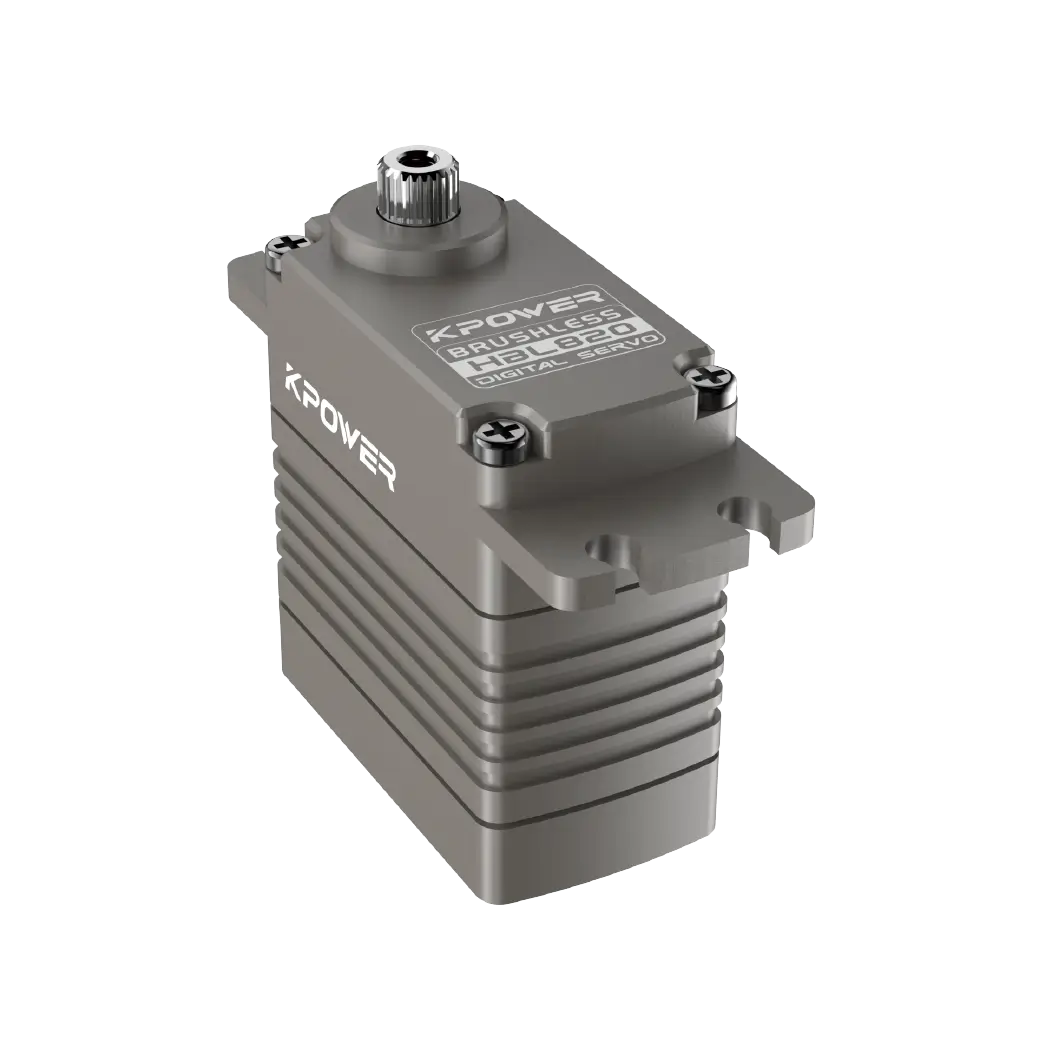
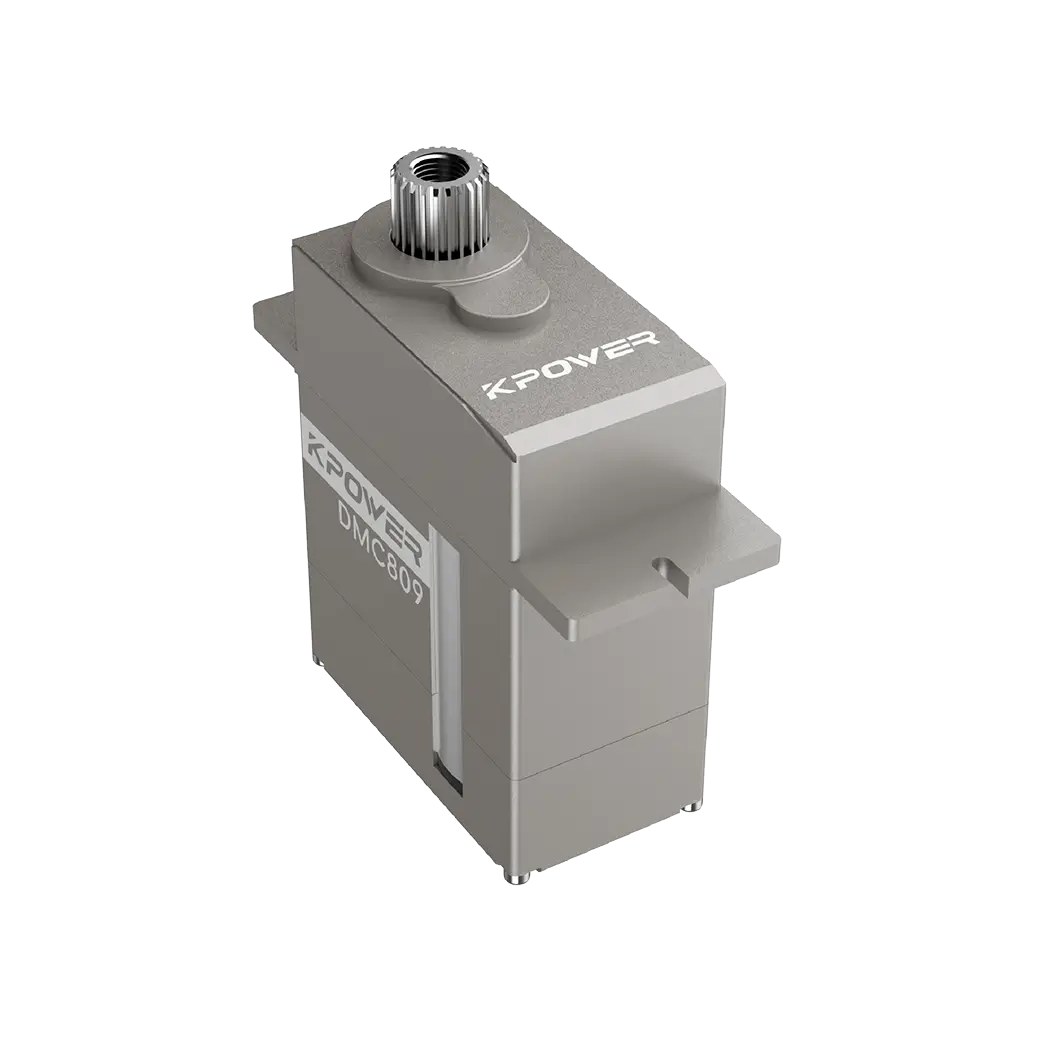
What does this look like in the real world? You’re using akpowerhigh-precision servo for a delicate assembly task. In a traditional setup, its complex feedback data gets dumped into a central PLC, competing for attention with a hundred other signals. With a microservice architecture, thatkpowerservo has a lightweight, local application dedicated to interpreting its unique feedback curves and making real-time adjustments. It only sends a clean, high-level status update (“Task Complete, Accuracy 99.98%”) to the main supervisor. It’s autonomy with purpose.
Let’s cut to the chase. Why bother?
Some might ask: Isn’t this more complex? More moving parts? On the surface, perhaps. But it trades initial setup complexity for long-term operational simplicity. It’s the difference between managing a sprawling, interdependent garden and a set of well-defined, self-watering planters. Each is easier to tend, and if one has an issue, the others aren’t immediately affected.
Adopting this isn’t about magic bullets; it’s about mindful design. Start by identifying the natural boundaries in your system. Which components have a distinct, separable function? That’s a potential microservice. The key is defining clear, simple “contracts” for how they talk to each other—not streams of raw data, but essential operational messages.
Consider a precision rotary stage powered by a Kpower servo. Its microservice would handle the闭环 control, error compensation, and homing routine. It doesn’t need to know about the camera above it; it just needs to receive a “Move to Position A” command and report back “Position Reached” or “Obstruction Detected.”
This approach naturally complements high-fidelity components. When you have a device known for its reliability and precision, like many in the Kpower range, pairing it with a dedicated, focused control service unlocks its full potential. The hardware’s capability is no longer bottlenecked by a slow, generalized control loop.
It turns your machine from a rigid, monolithic block into a collaborative network. A network where every part, from the smallest stepper to the most robust servo, can do its best work, report clearly, and adapt quickly. The result isn’t just fewer crashes; it’s a system that feels more alive, more responsive, and far easier to live with day in and day out. You stop fighting your control system and start partnering with it. And that’s when the real work gets done.
Established in 2005, Kpower has been dedicated to a professional compact motion unit manufacturer, headquartered in Dongguan, Guangdong Province, China. Leveraging innovations in modular drive technology, Kpower integrates high-performance motors, precision reducers, and multi-protocol control systems to provide efficient and customized smart drive system solutions. Kpower has delivered professional drive system solutions to over 500 enterprise clients globally with products covering various fields such as Smart Home Systems, Automatic Electronics, Robotics, Precision Agriculture, Drones, and Industrial Automation.
Update Time:2026-01-19

Contact Kpower's product specialist to recommend suitable motor or gearbox for your product.


