


TECHNICAL SUPPORT


Published 2026-01-19
So Your Software Feels Like a Jammed Gear? Maybe It’s Time to Talk Microservices.
You know that moment when you’re trying to get a mechanical system to move smoothly, but everything feels stiff? Like when aservois supposed to respond instantly, but there’s lag, or worse—everything just locks up because one tiny part overheats. Frustrating, right?

Well, software can feel just like that. One bulky, interconnected program where changing a single feature might stall the whole operation. Everything is tied together. One fault and the entire machine grinds to a halt. Sounds familiar? That’s the old way of building software—the “monolith.”
But what if you could break that big, clunky system into small, independent modules? Each one with its own specific job, running on its own, communicating clearly but never getting tangled up. That’s essentially what a microservice is.
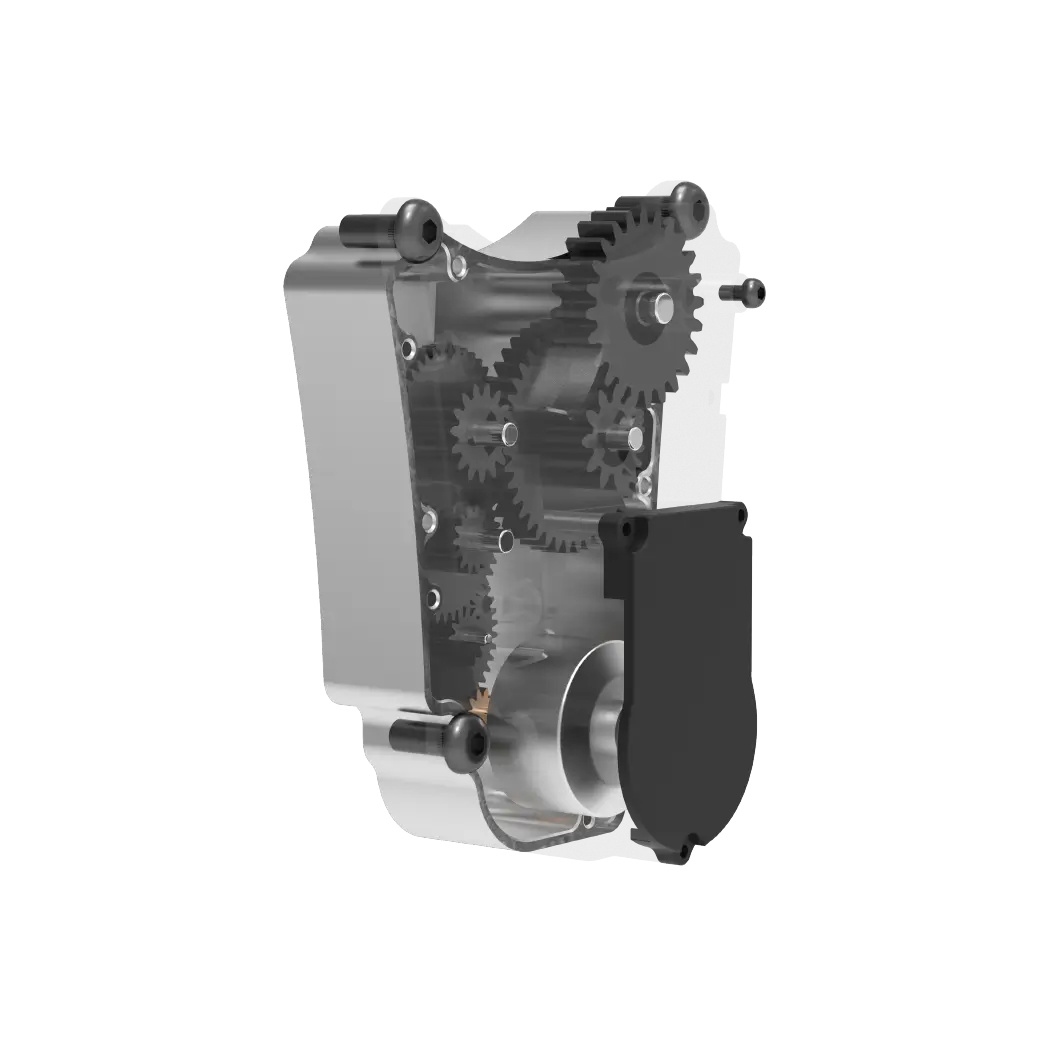
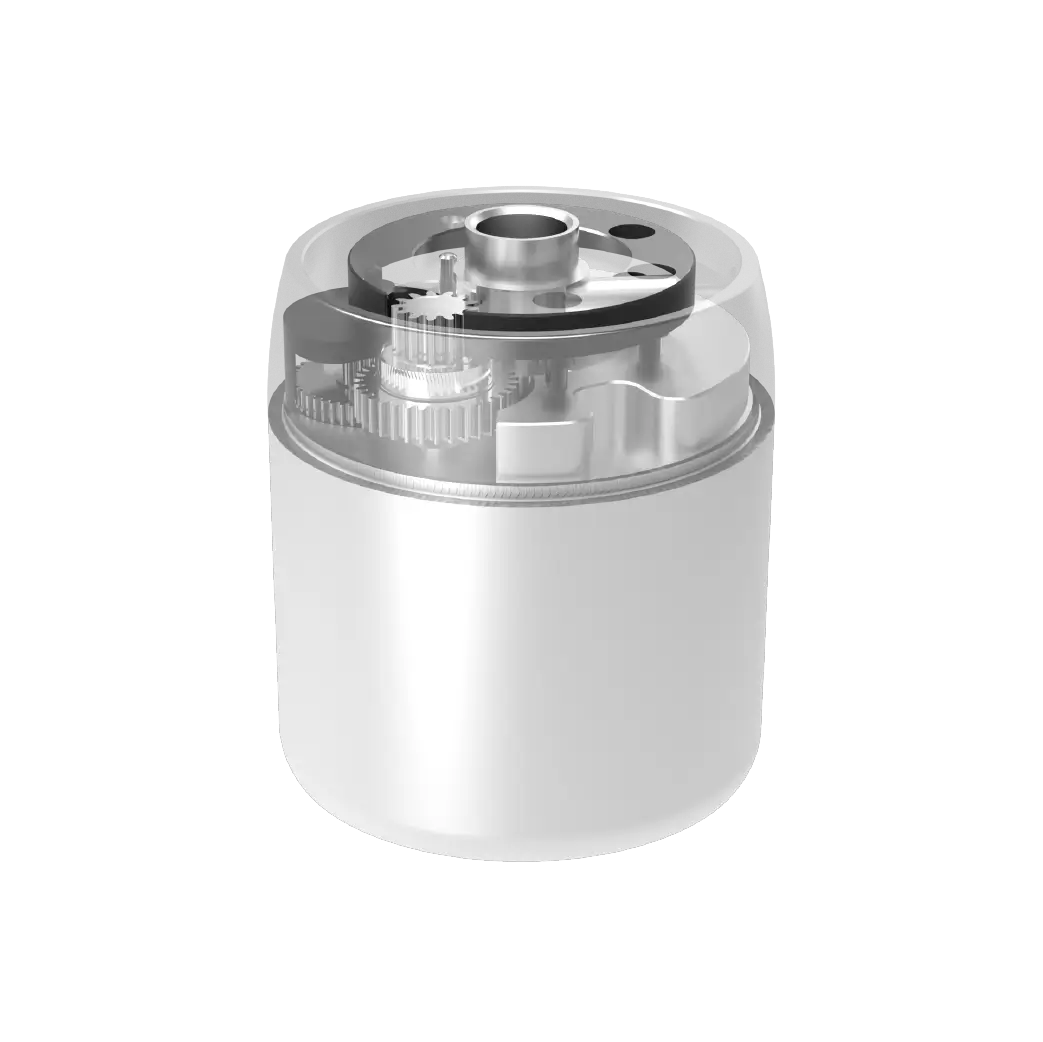
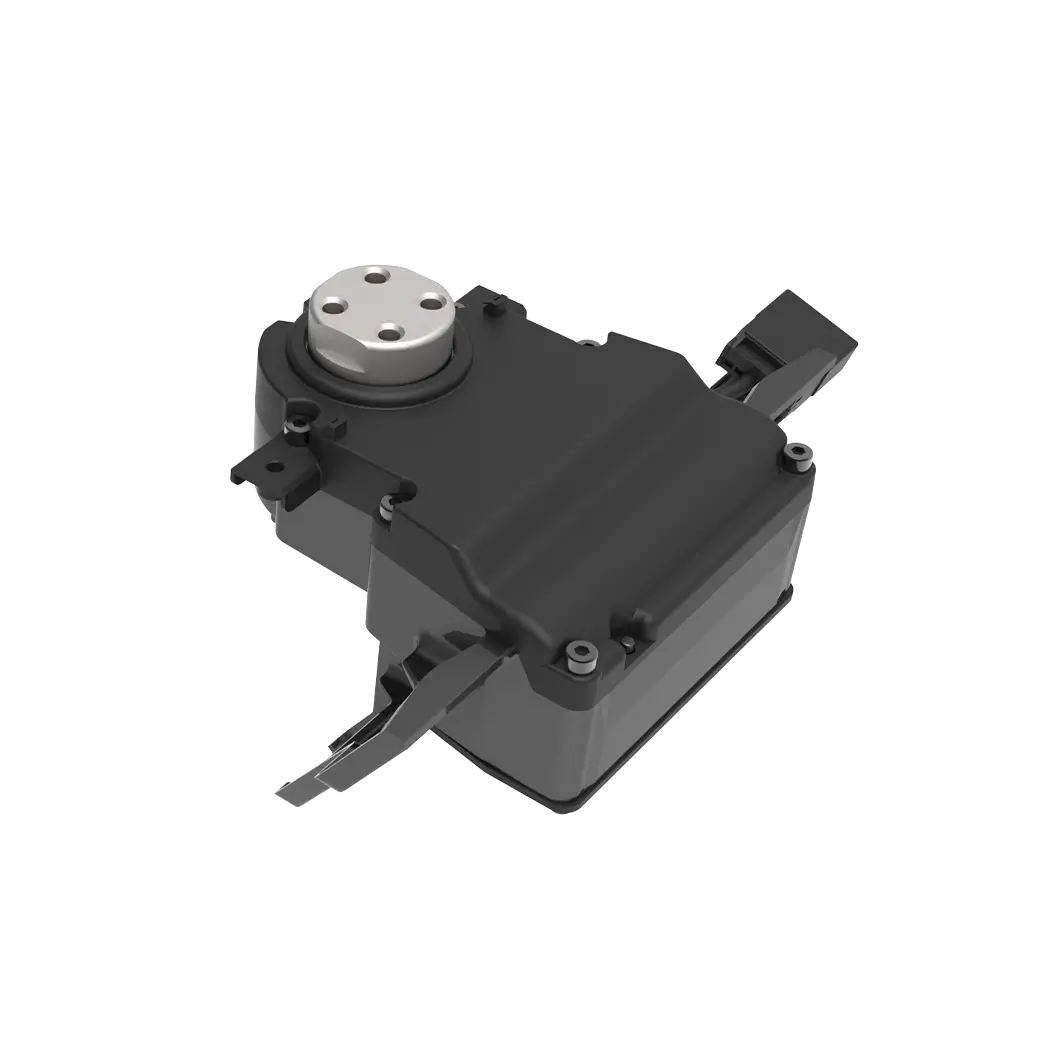
Think of it like designing a precise robotic arm. You don’t have one motor trying to handle rotation, grip, and lift all at once. You have separateservos—each dedicated, optimized, and replaceable. One for the wrist twist, one for the claw open/close, another for the elbow bend. If the gripperservowears out, you swap just that module. The arm keeps working.
A microservice is just that—a small, autonomous software “servo.” It handles one business function (like processing payments, managing user logins, or sending notifications) and runs independently from other services. They talk to each other through simple, well-defined connectors—like clean electrical signals between components.
Why does this matter? Because in a monolithic setup, updating the payment module might require rebuilding and redeploying the entire application. It’s risky, slow, and prone to unexpected breakdowns. With microservices, you update just the “payment service” without touching anything else. The rest of your system hums along, unaware.
Let’s get practical. Imagine you’re running an online platform. During a big sale, the product catalog gets millions of hits. In a monolith, the entire app—checkout, user accounts, recommendations—might slow down or crash because the catalog module is overwhelmed.
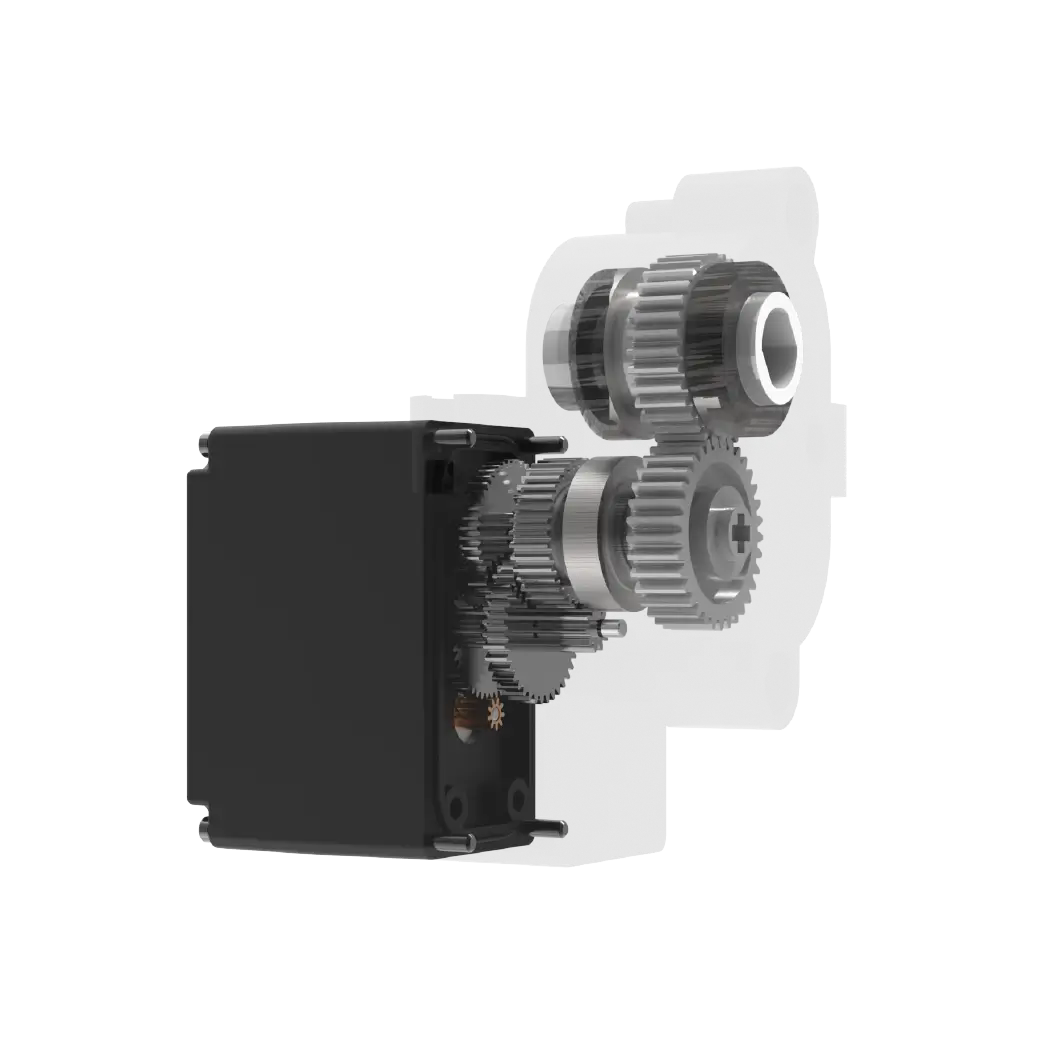
Now picture the microservice way. The “catalog service” scales up independently to handle the traffic surge, while the “order service” and “notification service” remain unaffected. It’s like having a gearbox where each gear can speed up or slow down on demand without stalling the whole transmission.
People often ask: “Isn’t this more complex to manage?” Initially, yes—like learning to tune multiple servos in sync. But once running, the benefits are undeniable:
It’s not just theory. Adopting a microservice architecture is like moving from a single, overpowered motor straining to do everything, to a coordinated network of precise, dedicated actuators. Everything becomes more responsive, easier to fix, and simpler to improve over time.
Switching to microservices isn’t about following a trendy blueprint. It’s a mindset shift—prioritizing clarity, boundaries, and responsibility. Each service should have a single, clear purpose, just like a well-designed mechanical component.
How do you start? You don’t tear everything apart overnight. You identify a bounded, high-impact function (like image processing or search) and decouple it from the monolith as a standalone service. Test it. Let it run. See how it communicates with the rest of the ecosystem. Then, gradually, you extract more.
This approach reduces risk and lets teams learn as they go. It’s iterative, like prototyping a mechanical assembly. You refine connectors, define clear interfaces, and ensure each piece can operate—and fail—gracefully without cascading problems.
Atkpower, we think about reliability in these terms every day. Whether it’s ensuring a servo delivers consistent torque or imagining software services that run with similar precision, the principle is the same: build independent, interoperable modules that make the overall system stronger and more adaptable.
Software shouldn’t feel like a jammed gearbox. It should feel seamless, responsive, and effortlessly scalable. Microservices offer a path to that—not as a magic bullet, but as a practical, evolved way to build systems that can grow and change without constant overhauls.
So the next time your application feels rigid, slow, or fragile, ask yourself: could breaking it into focused, independent services bring back that smooth, effortless motion? Sometimes, the best way to move forward is to intelligently break things apart—so everything can work better, together.
And in a world that demands flexibility, that’s not just smart engineering. It’s common sense.
Established in 2005,kpowerhas been dedicated to a professional compact motion unit manufacturer, headquartered in Dongguan, Guangdong Province, China. Leveraging innovations in modular drive technology,kpowerintegrates high-performance motors, precision reducers, and multi-protocol control systems to provide efficient and customized smart drive system solutions. Kpower has delivered professional drive system solutions to over 500 enterprise clients globally with products covering various fields such as Smart Home Systems, Automatic Electronics, Robotics, Precision Agriculture, Drones, and Industrial Automation.
Update Time:2026-01-19

Contact Kpower's product specialist to recommend suitable motor or gearbox for your product.


