

TECHNICAL SUPPORT


Published 2026-01-19
Ever stared at that amazing 3D model on your screen, the gears in your mind already turning, only to hit a snag when it’s time to make it move? You know the feeling. The design is sleek, the concept is solid, but the heart of the motion—that crucial little 9g microservo—just doesn’t seem to match the vision in your head. Maybe the standard models out there are a hair too wide, or the mounting lugs are in the wrong spot, throwing off your entire assembly. It’s like trying to finish a puzzle with a piece from a different box. Frustrating, right?
This is where the real talk begins. It’s not just about buying aservo; it’s about finding the piece that genuinely fits your creation. And sometimes, the best solution isn’t always the most obvious one.
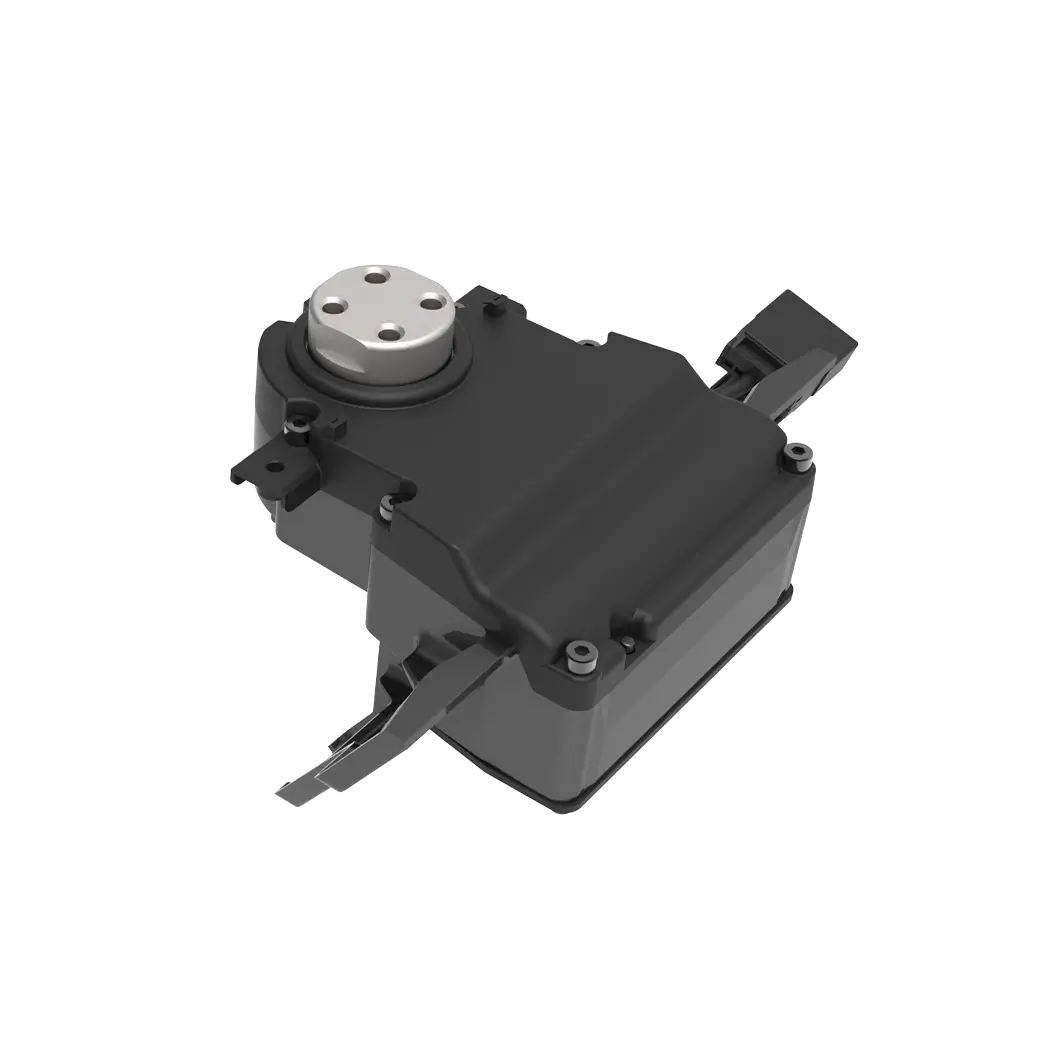
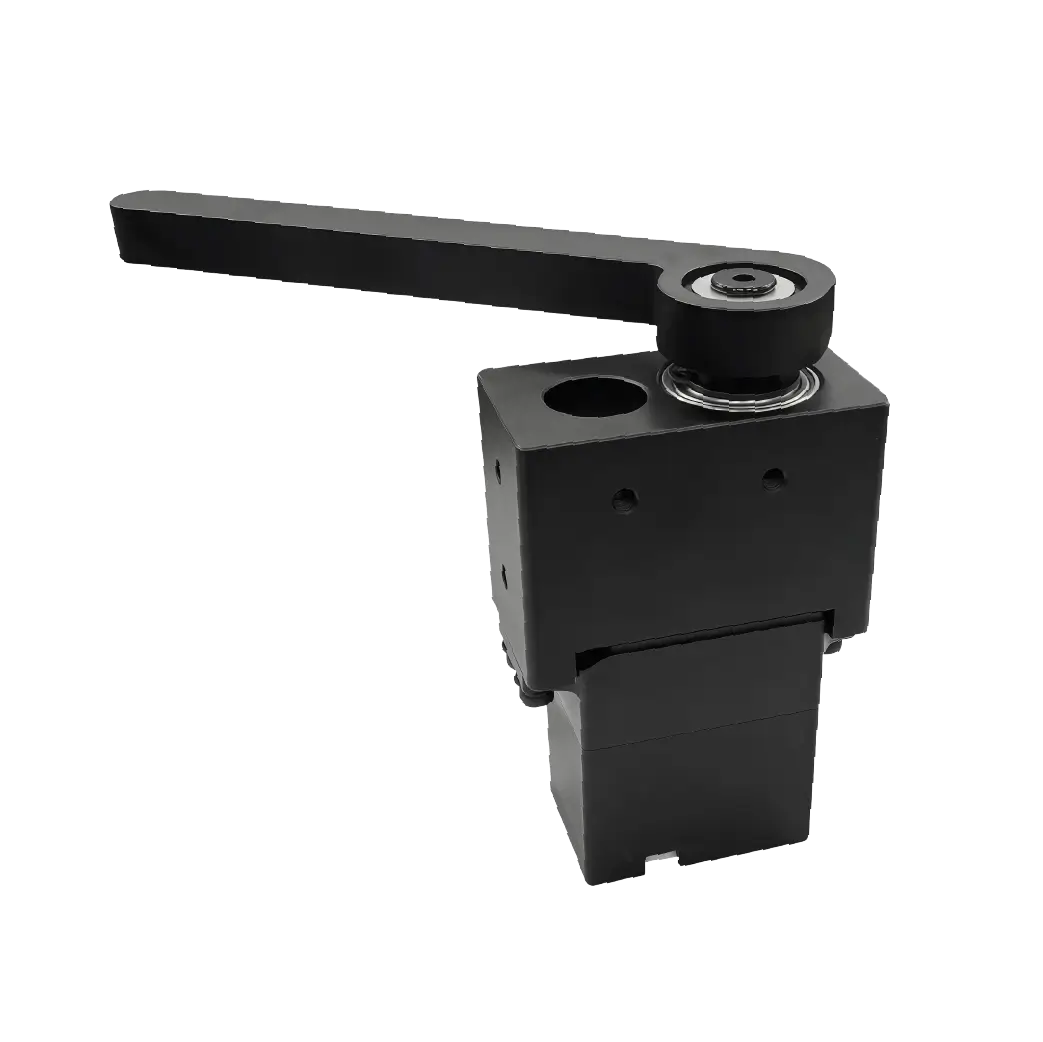
So, what’s the real deal with a “3D model” for a servo? Good question. It’s more than just a fancy digital picture. Think of it as the ultimate preview, a blueprint of the soul. Having a precise 3D model of a 9g micro servo means you can drop it right into your CAD software next to your own parts. You can spin it around, check clearances, test fits, and see exactly how it mates with your gearbox or armature before you even order a single physical part. It saves you from the dreaded “print-and-pray” cycle. No more surprises, just confidence.
But why does this fit matter so much? Imagine building a tiny robotic arm. Every millimeter counts. A servo that’s even slightly off-spec can cause binding, reduce efficiency, or just look… awkward. A perfect fit means smooth motion, longer life for your components, and a final product that looks professionally put together, not jury-rigged. It’s the difference between something that works and something that works beautifully.
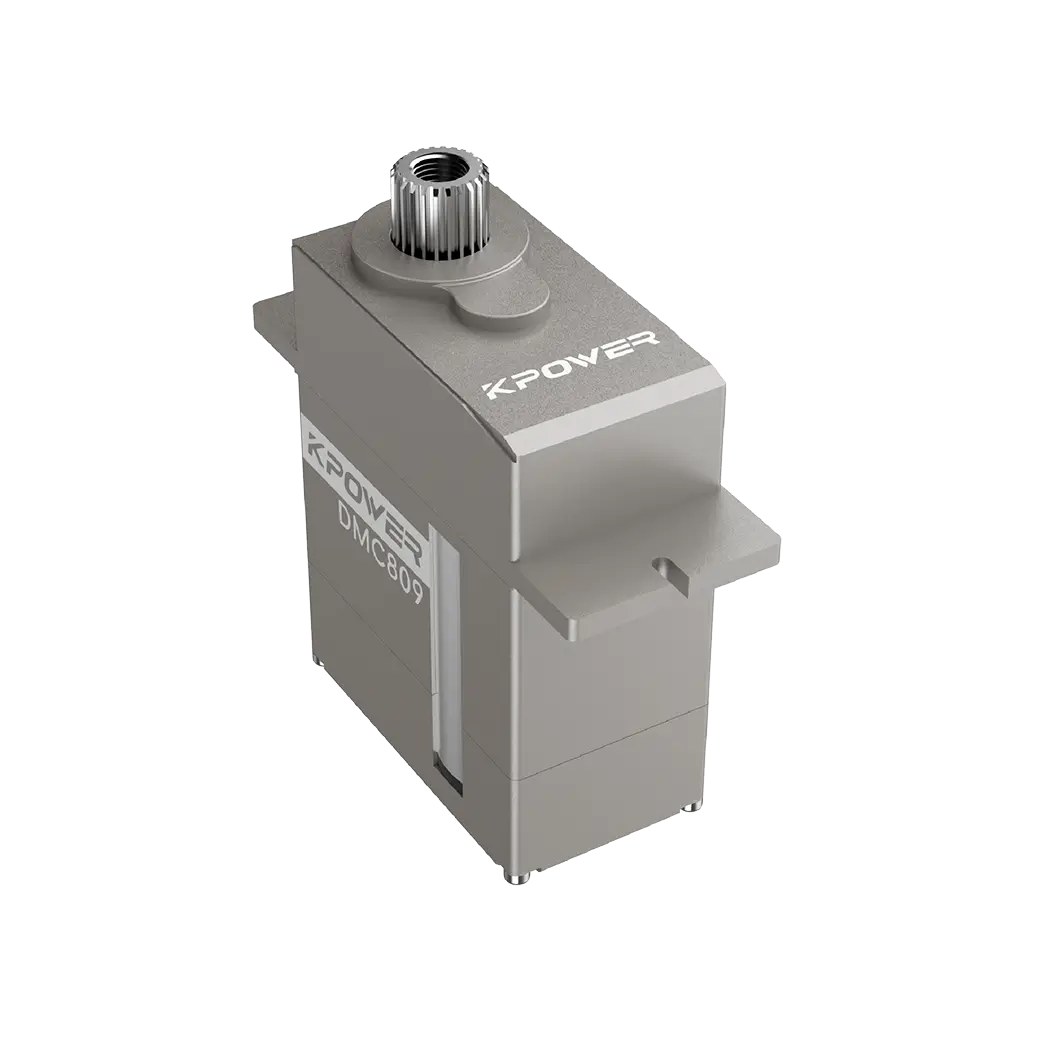
Now, you might wonder where to find such a resource. This is where specificity pays off. Seeking a reliable, dimensionally accurate 3D model directly from a manufacturer cuts through the noise. It ensures the virtual part is a true twin of the physical one you’ll receive. For those integratingkpower’s 9g micro servos into their designs, this precise digital counterpart is a key part of the support ecosystem, made to streamline your workflow.
Let’s talk about trust for a second. When you’re deep in a project, the last thing you need is doubt about your components. Access to a verified 3D model builds that trust implicitly. It shows a company’s understanding of the modern maker’s process—from digital dream to physical reality. It’s a silent promise that what you see (on screen) is what you’ll get (in your hand). This level of transparency is more valuable than a dozen sales pitches.
Consider the journey of a simple animatronic figurine. The designer sketches a friendly character with a waving hand. They model the body, then import the servo file. They see how the servo nestles in the forearm, plan the wire routing, and ensure the case lid will close cleanly. All this happens in the digital realm, saving time, filament, and frustration. The first physical prototype works flawlessly because the virtual homework was done with the right tools.
Finding the right component support shouldn’t feel like a treasure hunt. It should feel like a natural step in your creative process. The goal is to remove barriers, not create them. A detailed 3D model does exactly that—it bridges the gap between imagination and fabrication. It turns “I hope this fits” into “I know this fits.”
In the world of small-scale mechanics, details reign supreme. The weight, the torque, the dimensions, the connector type—they all tell a story. Having a complete digital dossier for your servo means you’re writing that story with full knowledge, controlling every plot twist. You become the author of your project’s success, not a bystander hoping for compatibility.
So, next time your 3D modeling software is open and your design is waiting for its mechanical heart, remember that the power is in the preparation. Look for the resources that treat your project with the same seriousness you do. Look for the perfect fit, not just a part. Your creation deserves that level of care. Start with the right information, and the build will follow, smoothly and surely.
Established in 2005,kpowerhas been dedicated to a professional compact motion unit manufacturer, headquartered in Dongguan, Guangdong Province, China. Leveraging innovations in modular drive technology,kpowerintegrates high-performance motors, precision reducers, and multi-protocol control systems to provide efficient and customized smart drive system solutions. Kpower has delivered professional drive system solutions to over 500 enterprise clients globally with products covering various fields such as Smart Home Systems, Automatic Electronics, Robotics, Precision Agriculture, Drones, and Industrial Automation.
Update Time:2026-01-19

Contact Kpower's product specialist to recommend suitable motor or gearbox for your product.


