

TECHNICAL SUPPORT


Published 2026-01-19
Imagine you are immersed in the idea of a mechanical project. The sketch has been drawn, and the ideas are flowing, but just when I am about to start, I get stuck - the core small component, the micro servo, its size, interface, and installation method are always slightly different from your design drawing. Either the holes are not aligned, or there is interference during rotation. What you need is not a vague concept, but a reality that can be accurately integrated into three-dimensional space.
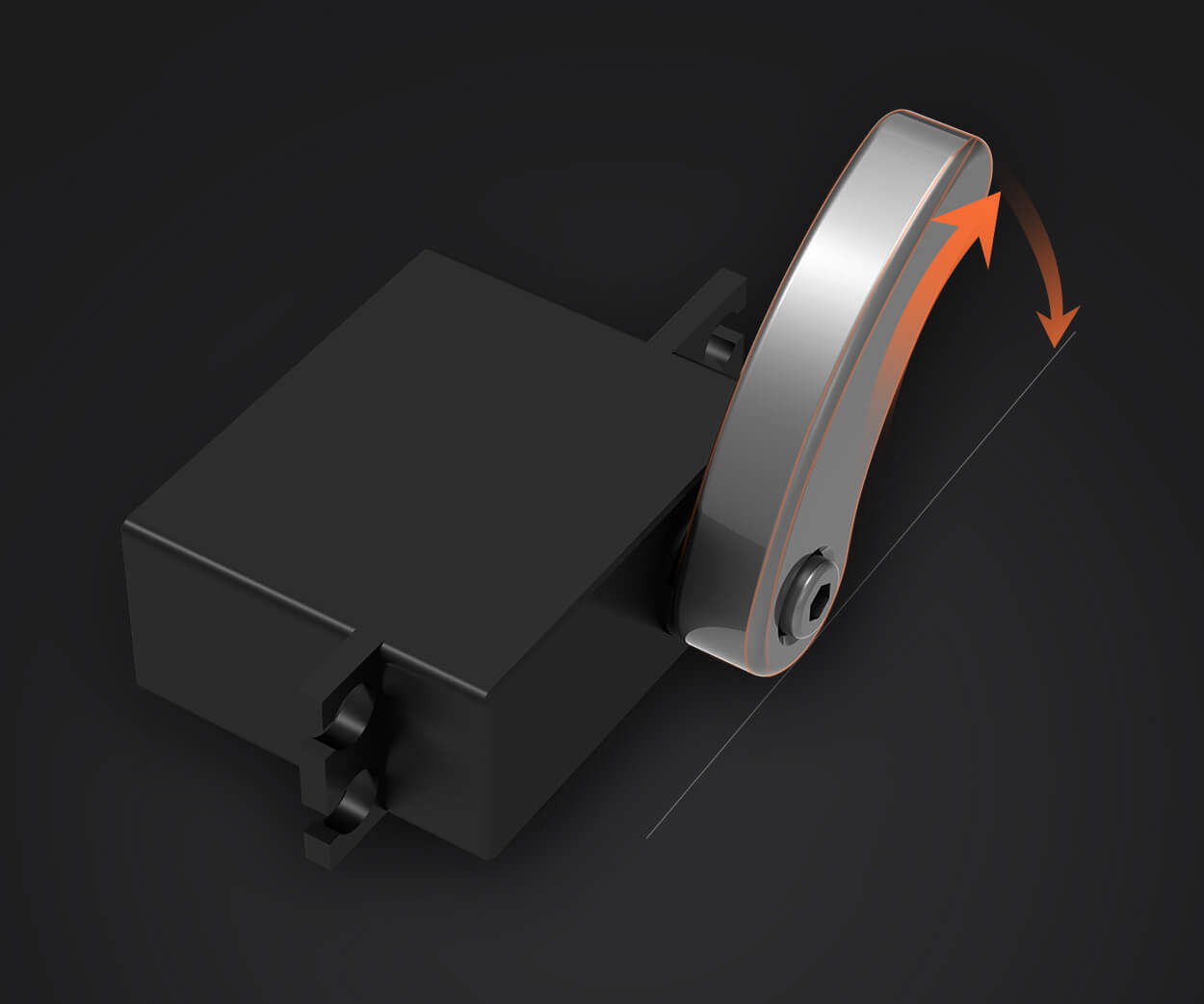
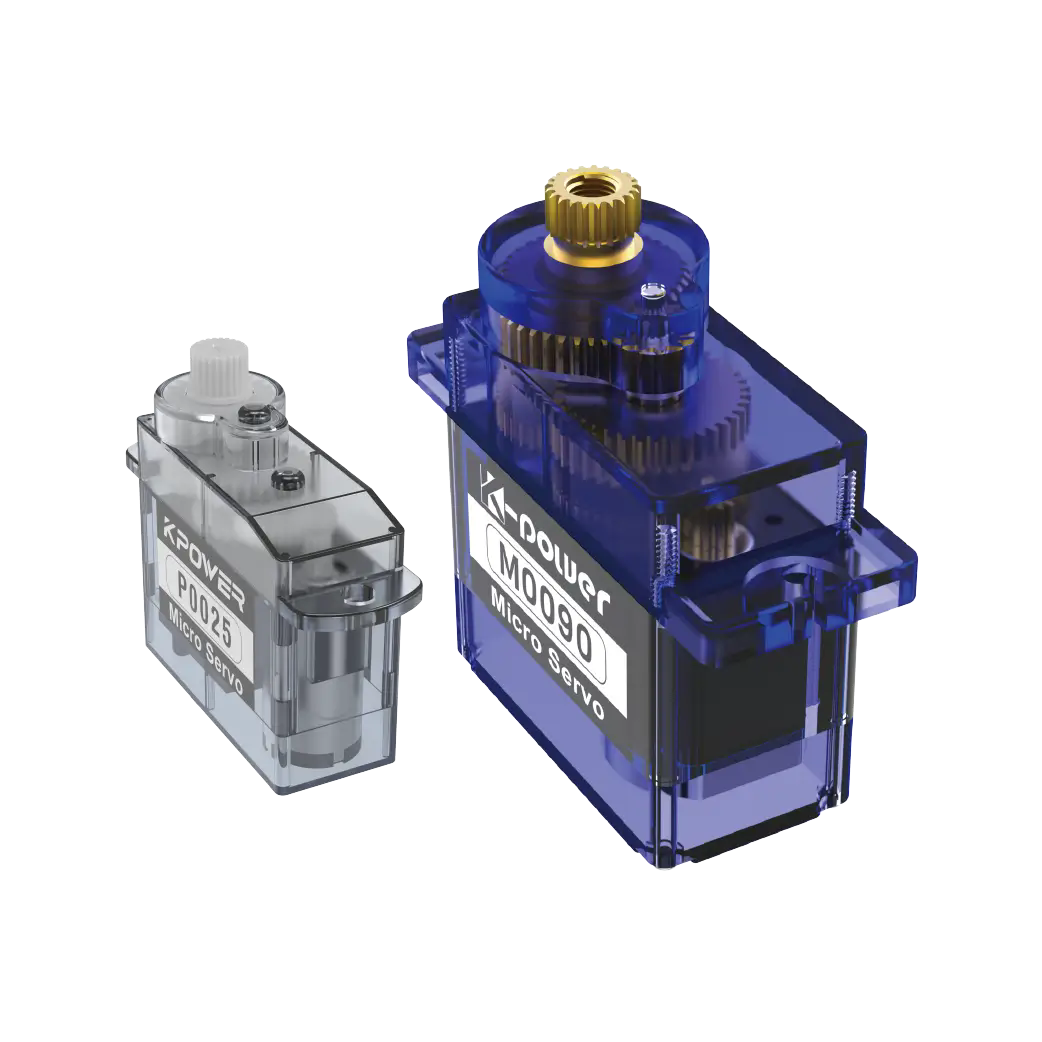
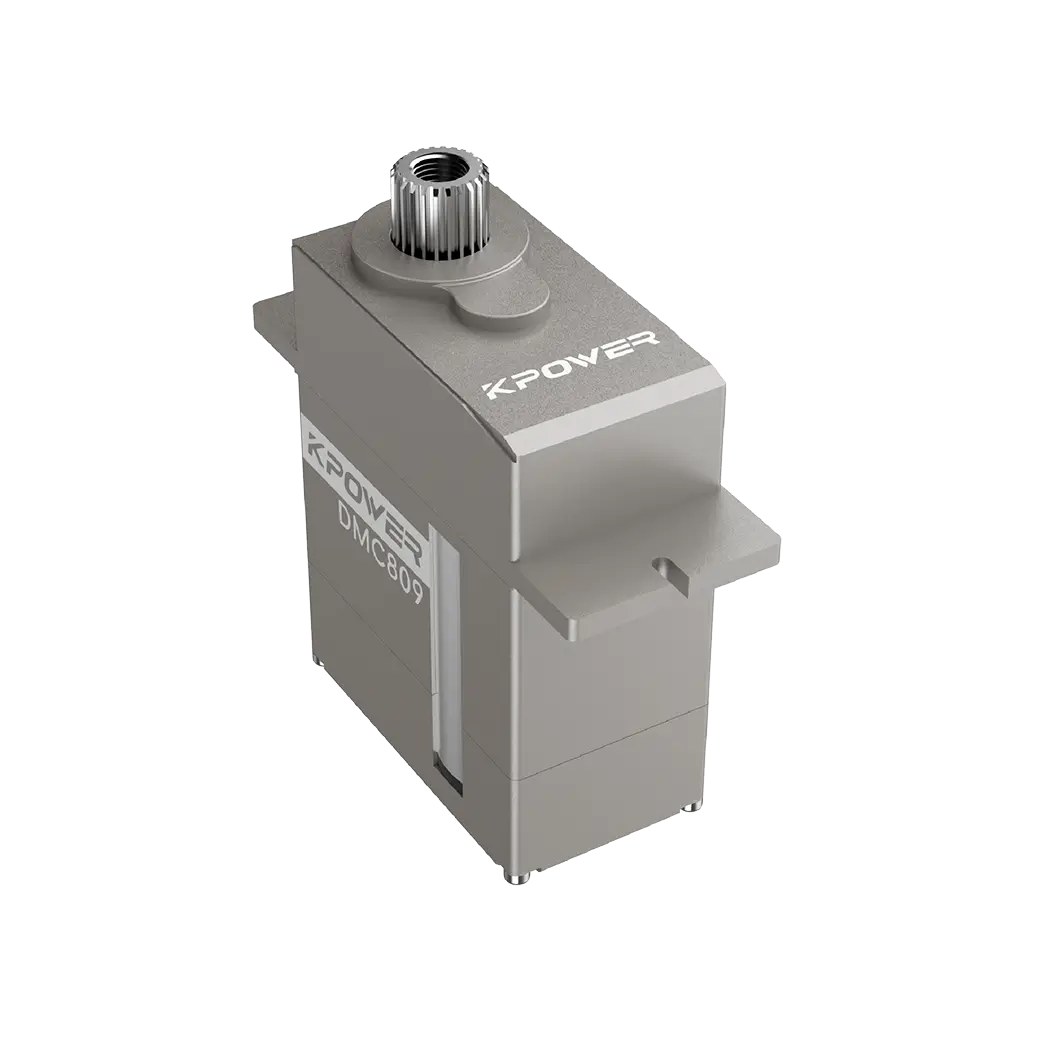
This is probably the little trouble that many people encounter when using micro servos, such as the classic SG90 9g model. It's a good little guy with plenty of torque and quick response. But if you are doing 3D printing, robotic arm joints or robots, physical objects are not enough. You have to "see" it on the computer in advance and know the exact location of every bump and screw hole, so that the shell can wrap it tightly and the linkage mechanism can drive it smoothly.
Some people may think, isn’t it just a general shape? Can't you find a similar application online? Well, it's like going on an adventure with a vague map. You can walk, but you'll inevitably hit pitfalls. The trouble caused by an inaccurate one is specific: the printed bracket cannot be installed, and repeated modifications waste time and consumables; or worse, no interference is found during the virtual assembly, and after the physical assembly, it is discovered that the servo cannot rotate at all, and the entire structure has to be torn down and restarted.
Therefore, a SG90 3D file that is 1:1 in proportion to the real thing and has complete details can not only solve the problem of "is it available", but also the worry of "is it accurate". It allows you to complete a virtual, zero-cost perfect assembly before you start manufacturing. This means you can focus more on creativity and functionality, rather than struggling with size corrections.
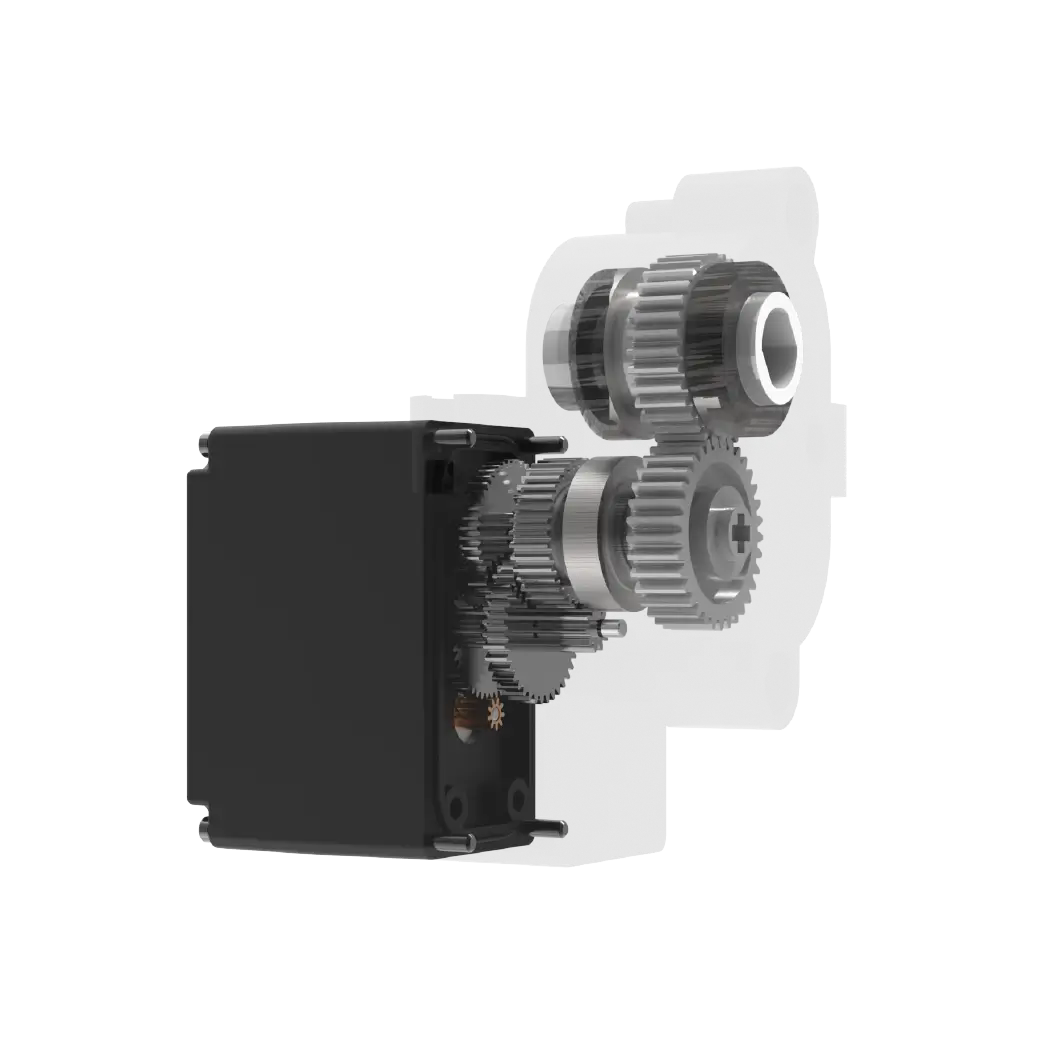
What should a truly useful 3D look like? It shouldn't be just a rough shell. You have to pay attention to these details: Is the tooth profile and height of that pinion on the output shaft accurate? Are the thickness and hole diameter of the four mounting lugs on the side consistent with the real thing? Even the small bump at the bottom used for positioning cannot be ignored. These subtleties determine whether your design will be successful the first time.
It must be mentioned here that when selecting such technical resources, the reliability of the source is very important. There is mixed information on the market, and those downloaded casually may be very inaccurate. When we deal with such needs, we always insist on providing data based on accurate mapping of physical objects. Make sure that every curved surface and edge of the file you get can withstand scrutiny and can perfectly correspond to the real servo. Behind this is sufficient familiarity with the product itself and a little bit of patience that is unwilling to compromise.
With a reliable one, your project flow will quietly change. In the past, it may have been a cycle of "design-print-test-modify", but now it has become a cycle of "virtual assembly-verification-one-time molding". You can easily test its range of motion in the software to see if it poses a risk of collision with adjacent parts. You can even simulate the movement effect of the entire mechanism in advance, and then start production when you are confident.
This doesn't just save time and materials. It is also a kind of liberation of creative mentality. You don't have to worry about the size of a basic component sacrificing a great idea. You can boldly try more complex structures because you know that the core drive unit, the micro-servoserver, is already firmly "lying" in your design in digital form, waiting to be given new life.
Question: What software can I use to open this file? Most general 3D modeling software, such as some free or paid mainstream tools, are well compatible with common STEP or STL formats. You basically don’t have to worry about technical thresholds.
Q: If my servo model has a slight change, can it still be used? The external installation dimensions and interfaces of micro servos such as SG90 are usually standardized. As long as you know the standard SG90 9g servo, the core installation parts are directly applicable. If your project has special modification needs, making modifications based on this precise foundation is much easier than starting from scratch.
At the end of the day, technology and creation itself should be a joyful journey, not a trek filled with uncertainty. The value of a seemingly small resource like the SG90 3D lies in the fact that it silently clears an obstacle on the way. When you no longer have to be distracted by basic adaptation issues, the joy of focusing on the creation itself will be more pure and abundant.
I hope these sharings will make your next project go more smoothly.
Established in 2005,kpowerhas been dedicated to a professional compact motion unit manufacturer, headquartered in Dongguan, Guangdong Province, China. Leveraging innovations in modular drive technology,kpowerintegrates high-performance motors, precision reducers, and multi-protocol control systems to provide efficient and customized smart drive system solutions.kpowerhas delivered professional drive system solutions to over 500 enterprise clients globally with products covering various fields such as Smart Home Systems, Automatic Electronics, Robotics, Precision Agriculture, Drones, and Industrial Automation.
Update Time:2026-01-19

Contact Kpower's product specialist to recommend suitable motor or gearbox for your product.


