

TECHNICAL SUPPORT


Published 2026-01-19
Have you ever had such an experience? You spent countless nights carefully designing a mechanical prototype, and refined every structure over and over again. But when it really started to move, the core responsible for driving it - the small servo motor - made an annoying squeaking sound, moved sluggishly, and within two days it was wobbling, or even going on strike. The frustration at that moment was like carefully brewed coffee spilled on the design drawings.

The problem often lies in the component that is most easily overlooked but the most critical: the gear inside the steering gear. Plastic gears? They may still be able to hold up during light-load, short-term demonstrations. But when you need power, when you need precision, when you need stability day in and day out, they become Achilles' heels. Wear, deformation, increased backlash... these minor problems will eventually destroy the reliability of the entire project.
So, people turned their attention to "metal gears". But this raises a new question: Are all metal gears the same? A heavy, unresponsive servo with metal gears is probably worse than one with plastic gears. What we need is to find that perfect balance between power, speed, precision and durability.
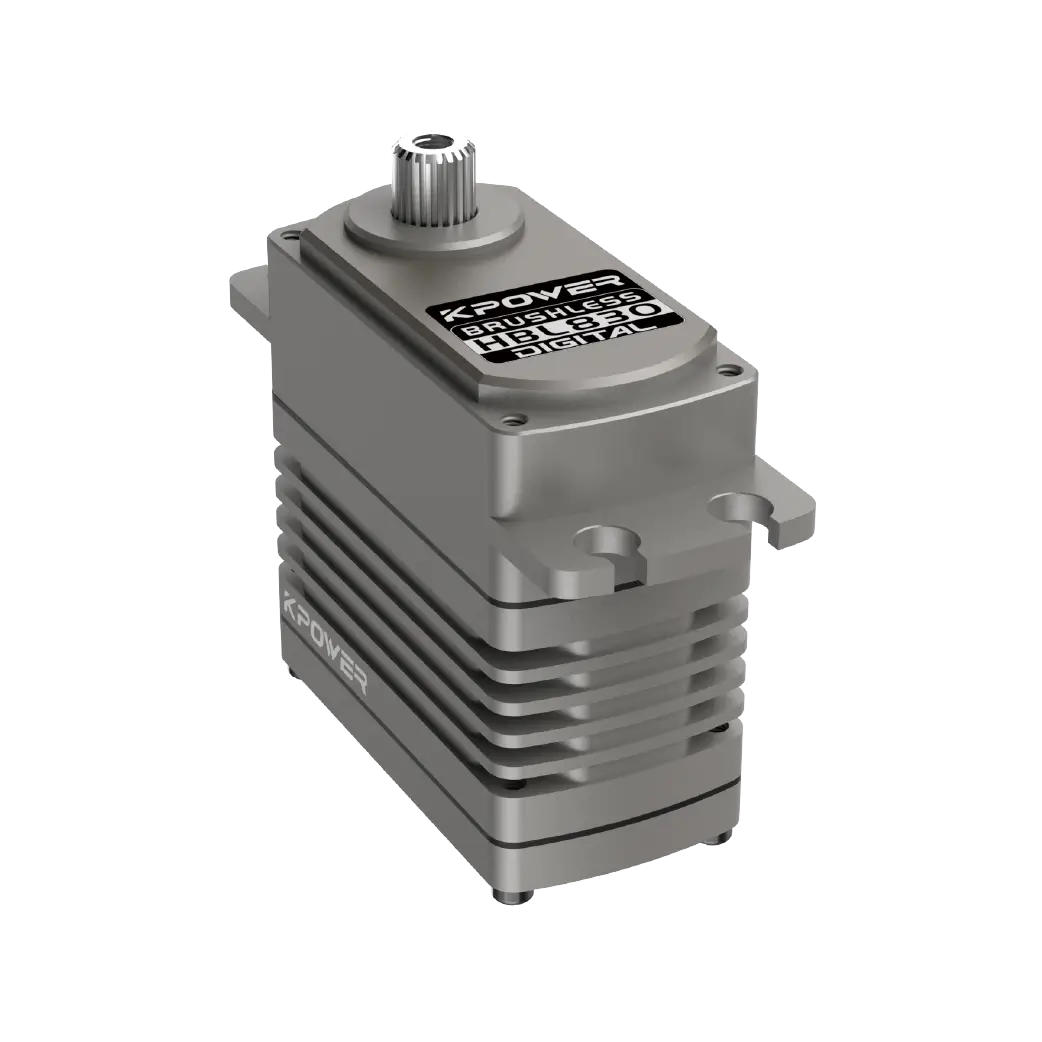
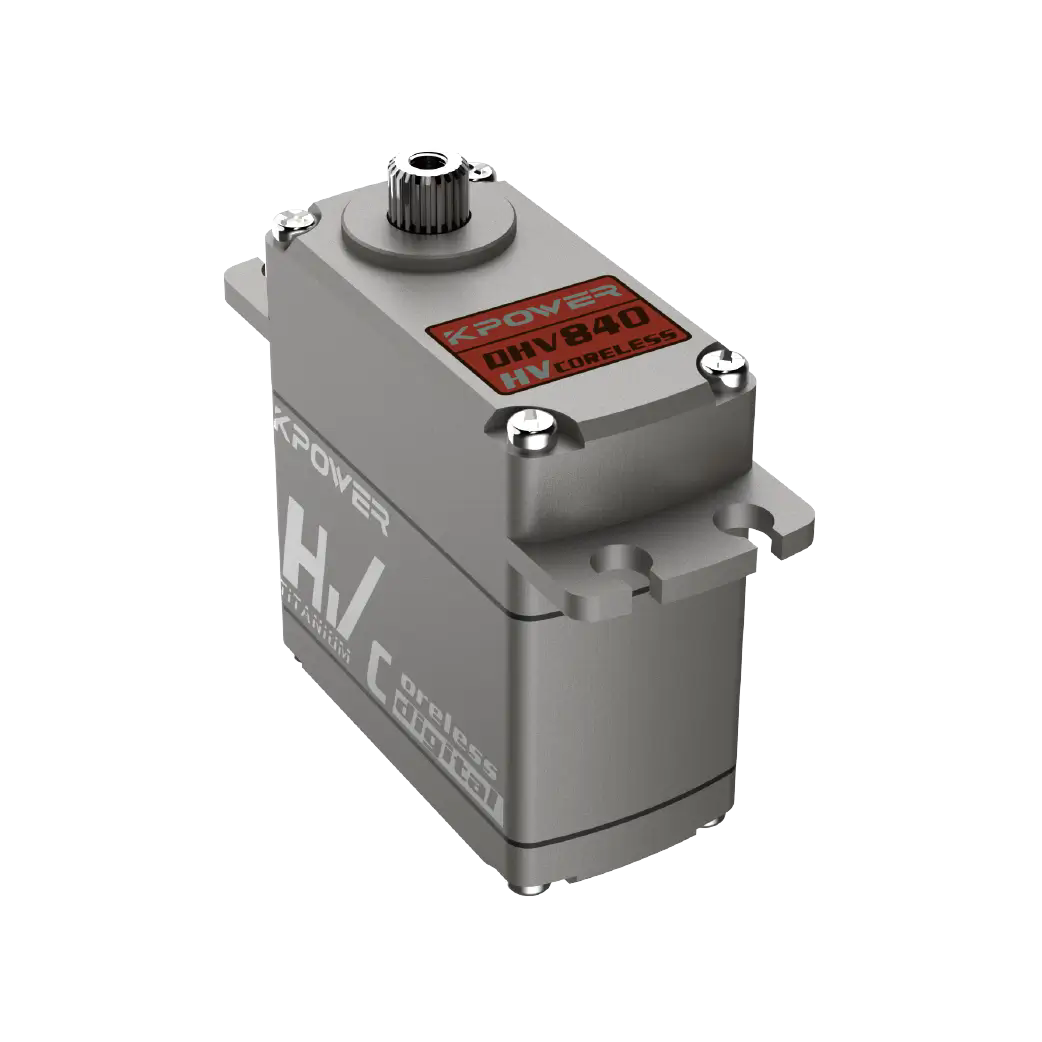
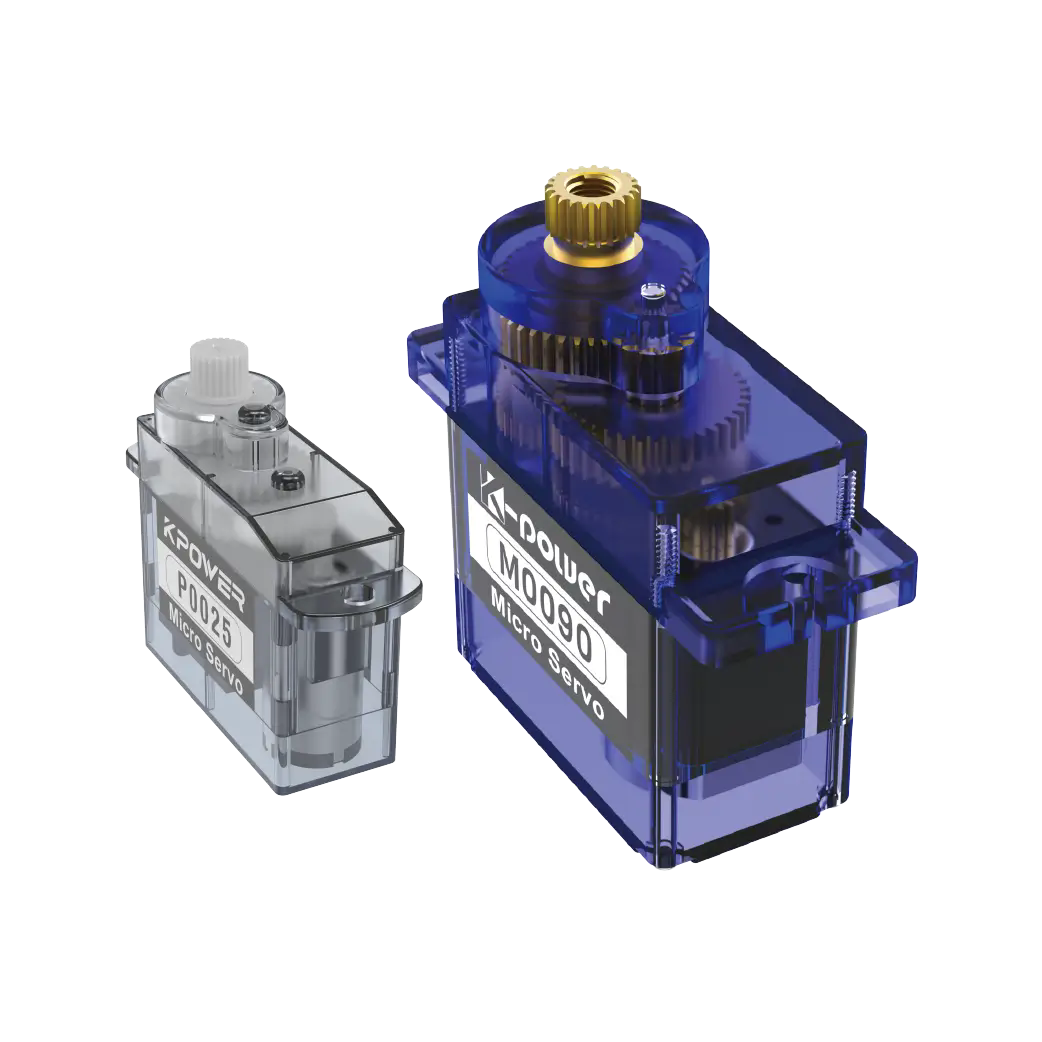
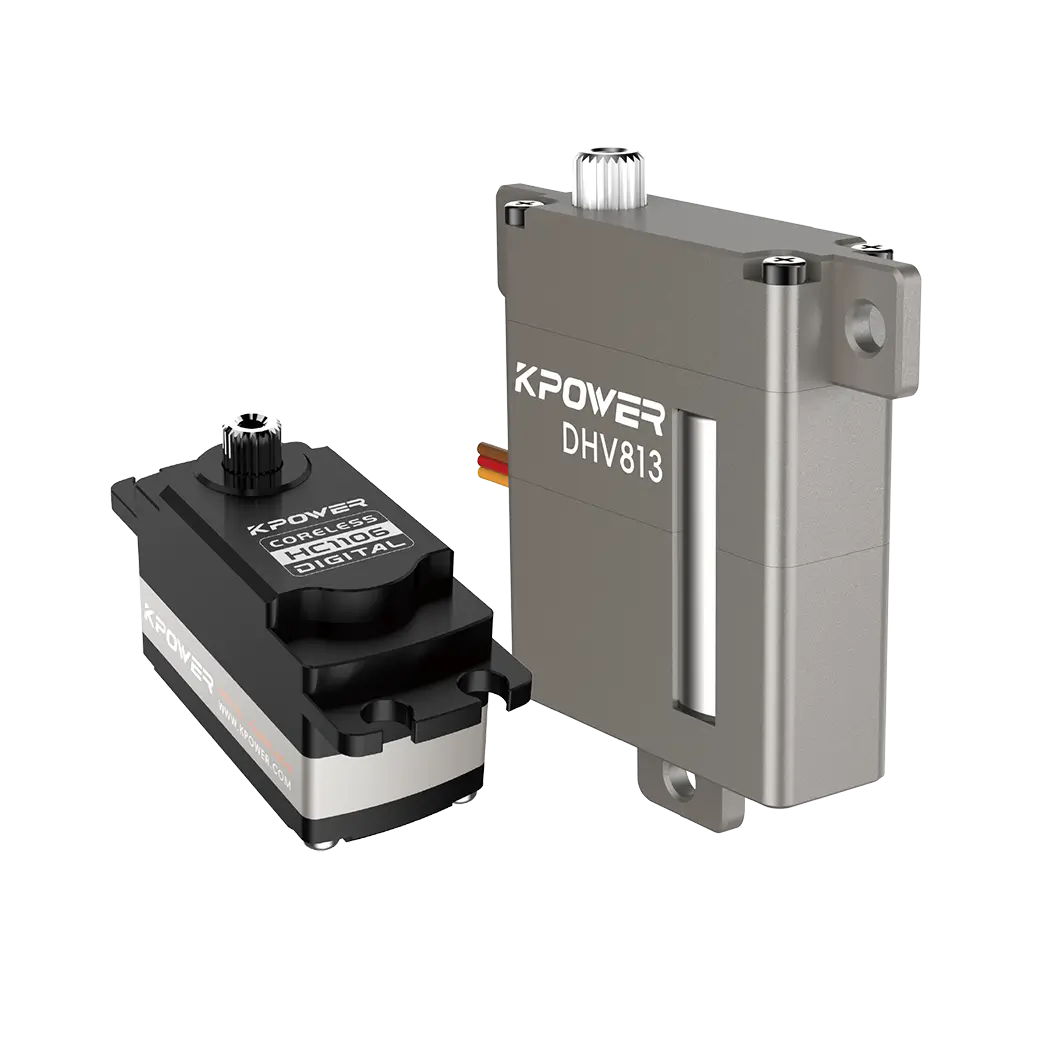
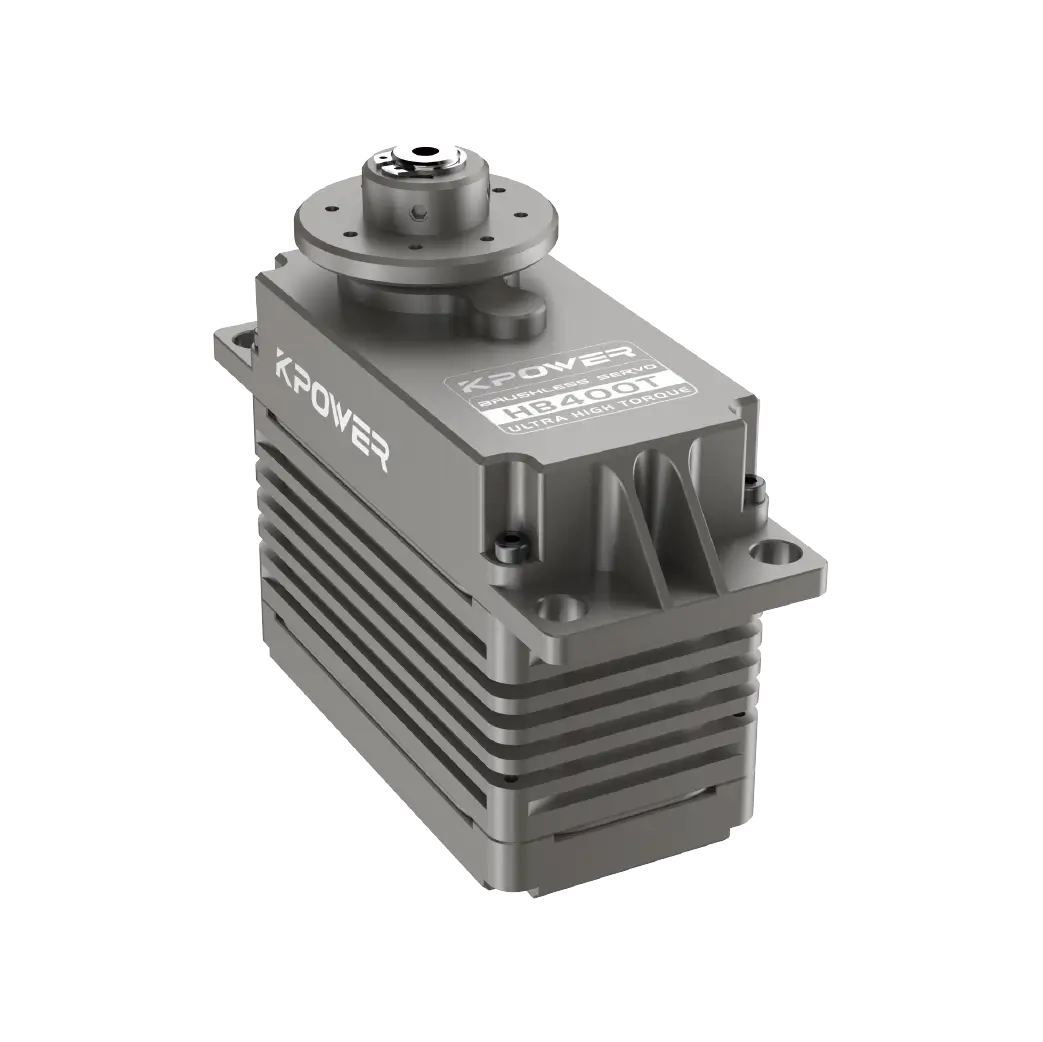
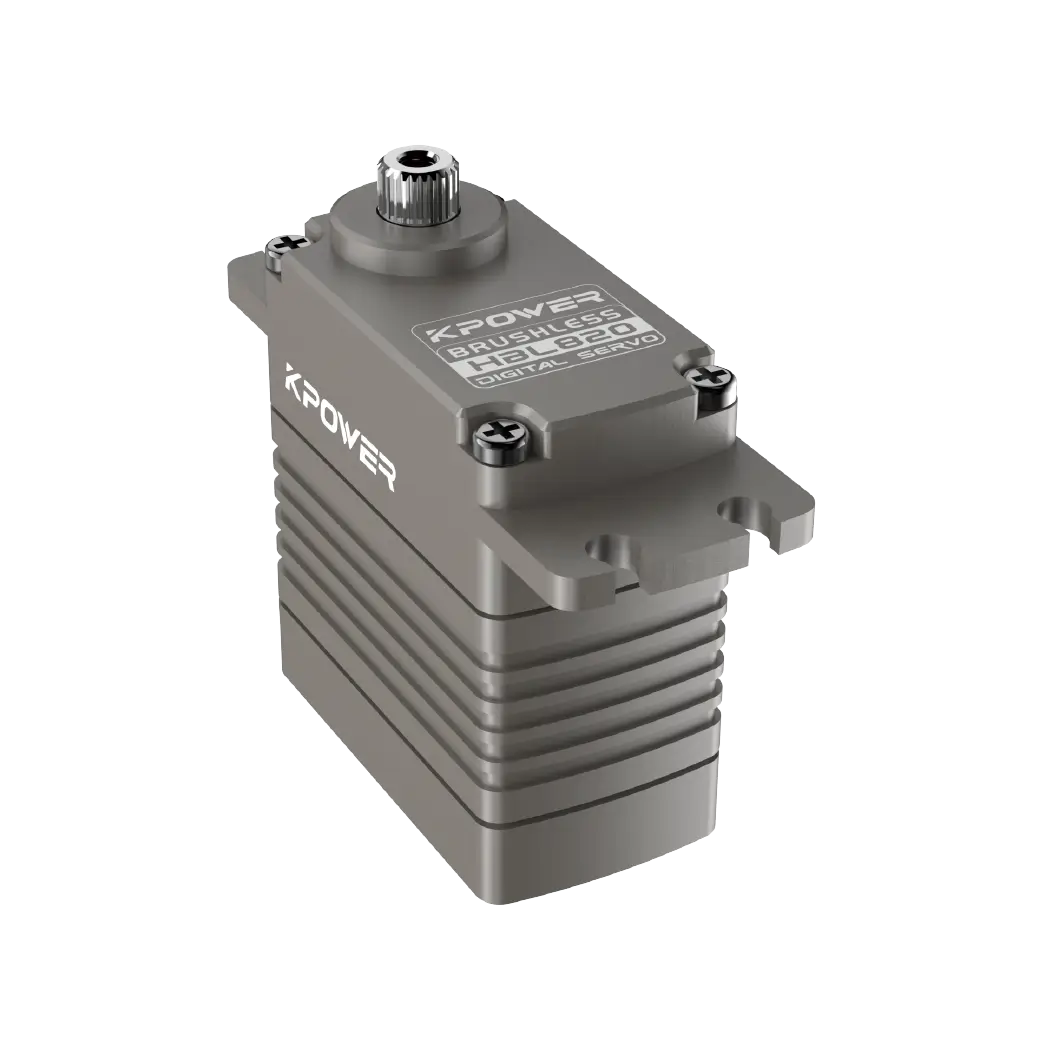
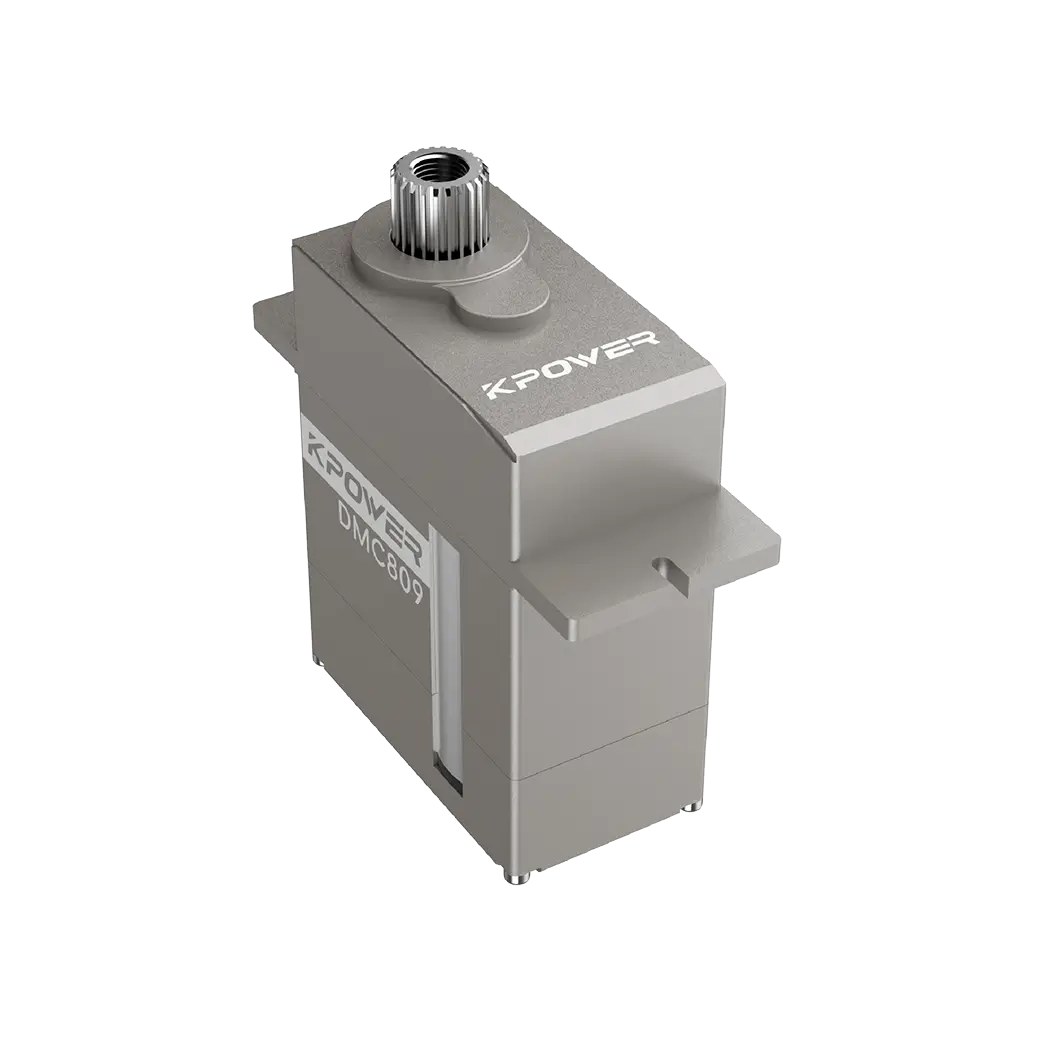
That’s why when I was working on a robotic arm project that required repetitive, high-intensity grasping movements, I started looking for a different answer. That is until I came across Kpower’s metal geared micro servos. The first impression it gave me was not the cold numbers on the parameter list, but a "solid feel". In the hand, the weight is just right, without feeling cheap.
The real difference is hidden in every turn.
After installing it, the first surprise that gave me was "quiet". Many servos always make high-frequency motor hissing or gear friction noises when running. But this one is different. Its voice is low and crisp, a pure voice that carries out instructions. Next comes precision. I asked it to repeatedly swing back and forth at a 30-degree angle. After hundreds of times, its starting point and end point position were almost invisible to the naked eye. This is great news for devices that require positioning.
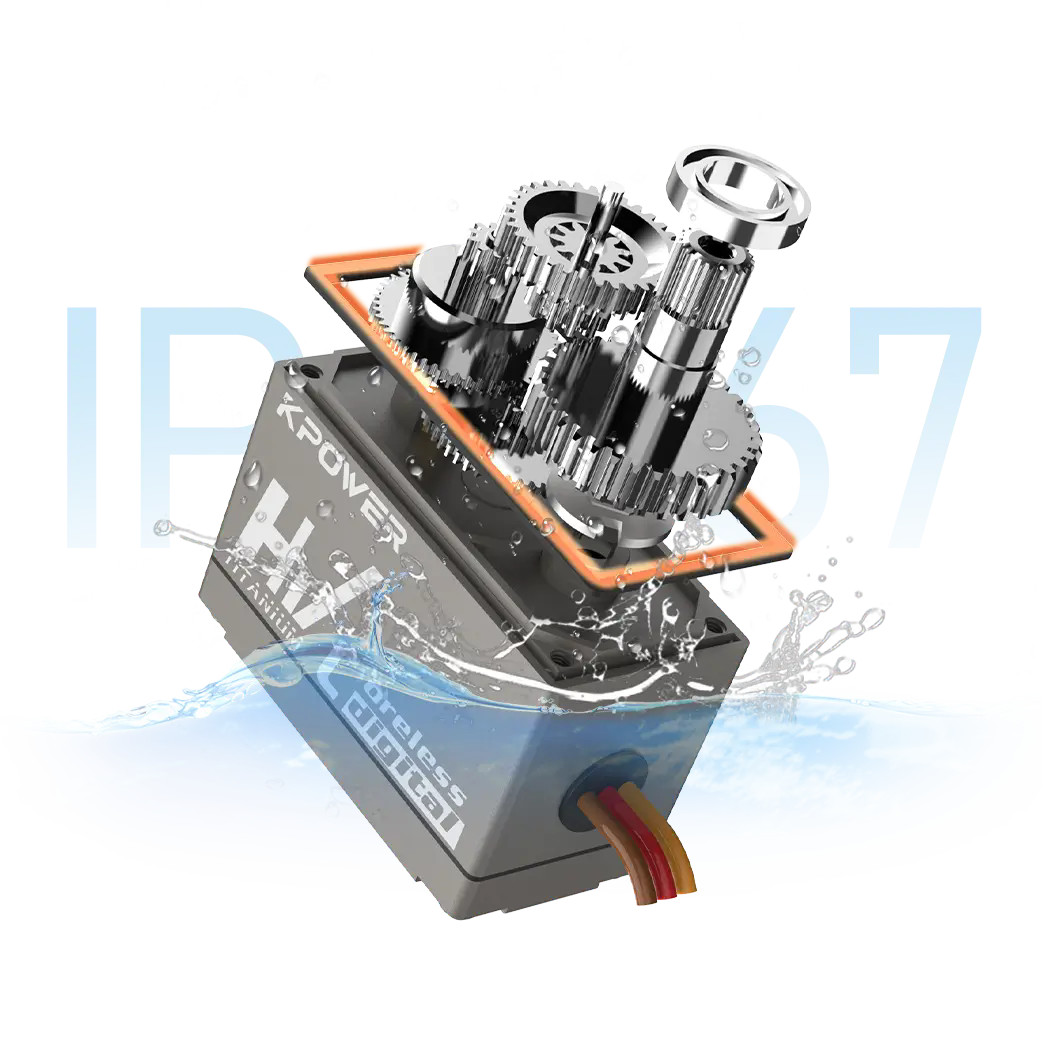
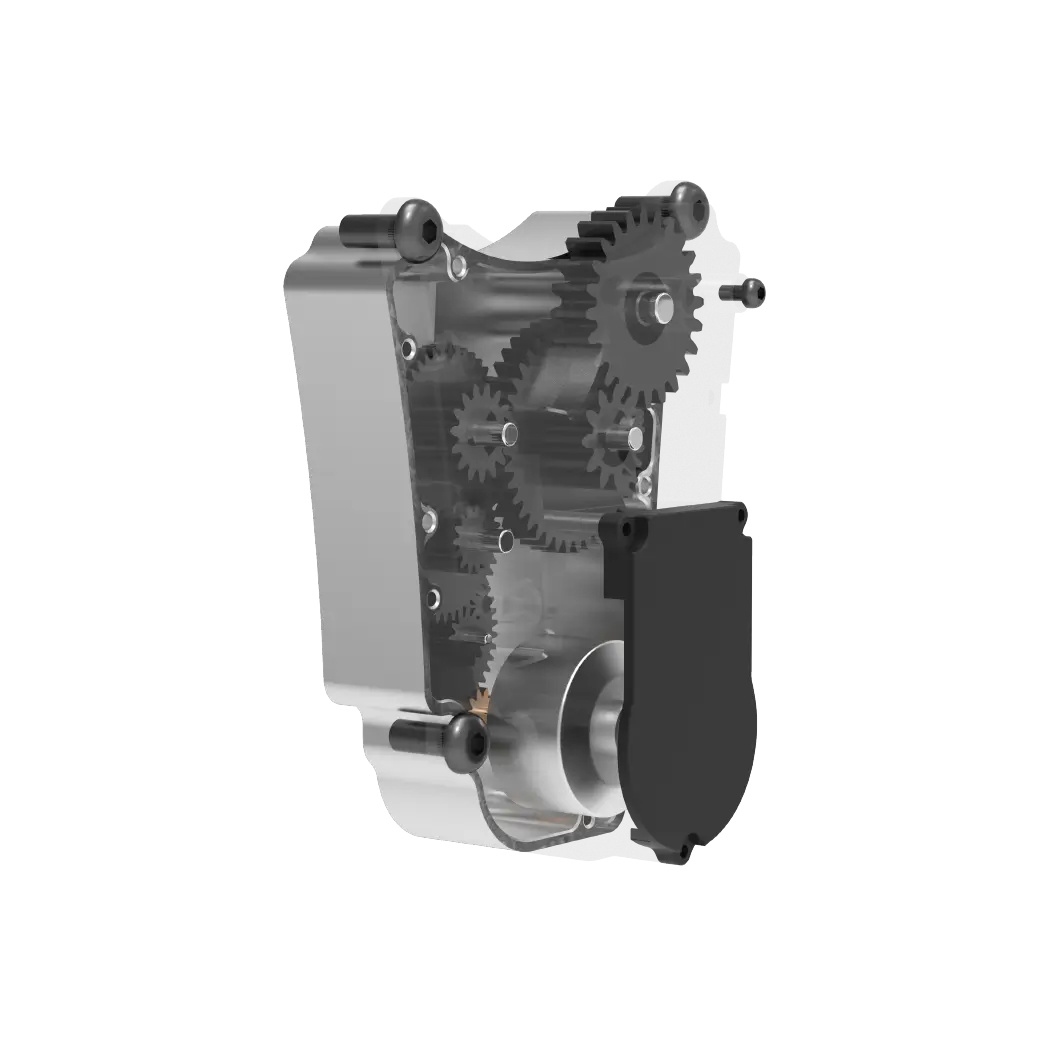
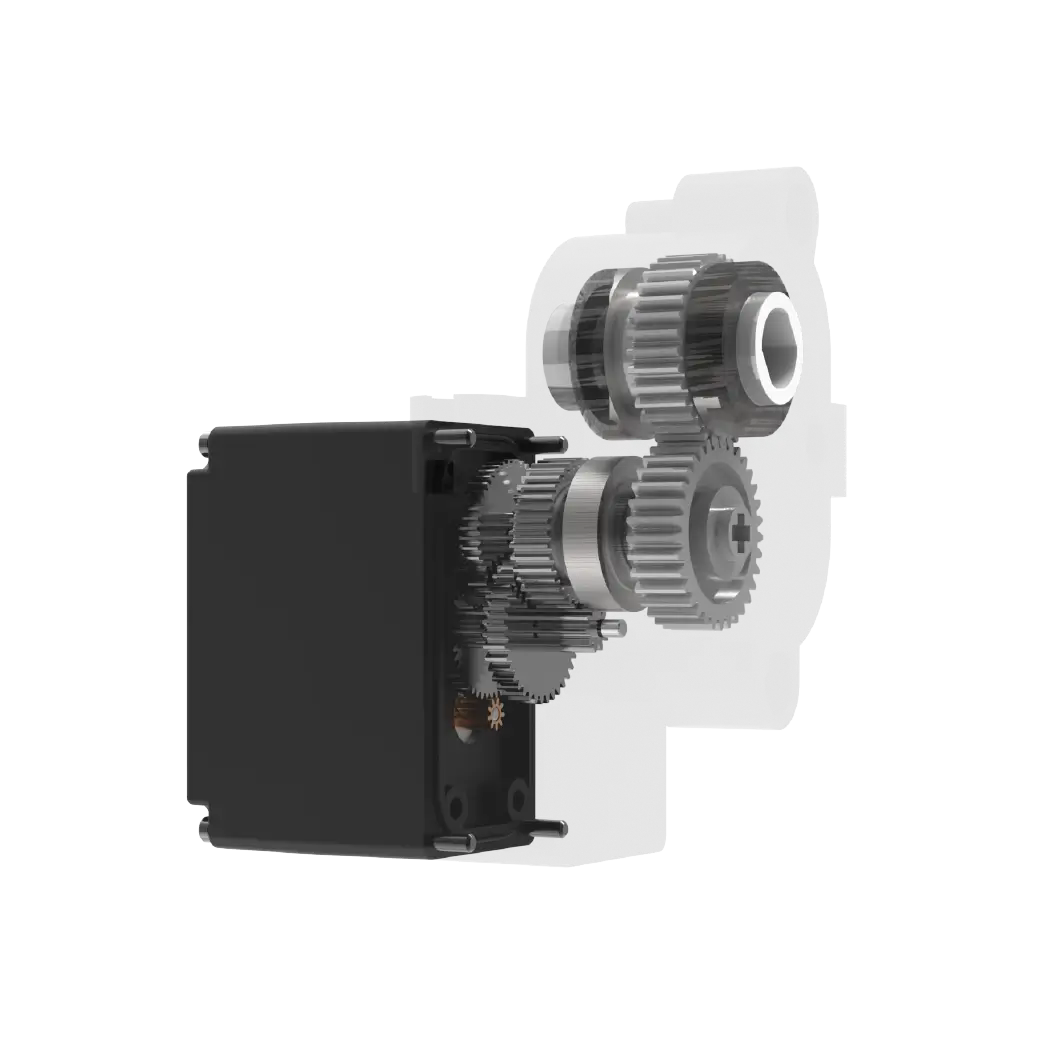
My toughest test was to hold it against a spring load for an extended period of time. In this case, ordinary servos will either tremble slightly to maintain the position (the PWM signal is constantly adjusting), or they will have a slight angular drift due to internal backlash. And this little guy is as stable as if he was nailed there, which is reassuring. Later, I disassembled one (yes, I sacrificed one out of curiosity). The all-metal gear set inside, each tooth is machined brightly and precisely, meshing tightly, with almost no empty space. At that moment I understood that that sense of solidity and precision was forged from the inside out.
So, how to choose the “right” metal gear servo?
Some people may say that looking at torque, speed, and size are of course important. But I would like to add a few "feeling" dimensions that are easily overlooked:
I have used this servo from Kpower to complete several projects: a small device for automatically watering flowers, a desktop robotic arm that imitates writing and drawing, and a mini car for children that can automatically avoid obstacles. Some of them have been working silently for more than half a year, and apart from the occasional dusting, they have never caused me to worry. That's probably the greatest compliment you can pay to a component: you almost forget it's there because it's doing its job perfectly.
Back to the original question. Why is this little metal part so important? Because it is the "joint" of the soul of your project. Plastic joints make you cautious and afraid to make big moves; while a well-forged and durable metal joint gives you the confidence to create freely. Your design ideas can be bolder, and you can pursue more complex action sequences without always worrying about missing out on the best parts.
It's not just an upgrade option, it's a shift in design philosophy: from "barely usable" to "trustworthy." Creativity can soar higher when the foundation is solid. Maybe, it's time to check out the "joints" of your next great project. Give it a solid support and it will give you an unexpected, smooth and tough world.
Established in 2005, Kpower has been dedicated to a professional compact motion unit manufacturer, headquartered in Dongguan, Guangdong Province, China. Leveraging innovations in modular drive technology, Kpower integrates high-performance motors, precision reducers, and multi-protocol control systems to provide efficient and customized smart drive system solutions. Kpower has delivered professional drive system solutions to over 500 enterprise clients globally with products covering various fields such as Smart Home Systems, Automatic Electronics, Robotics, Precision Agriculture, Drones, and Industrial Automation.
Update Time:2026-01-19

Contact Kpower's product specialist to recommend suitable motor or gearbox for your product.


