

TECHNICAL SUPPORT


Published 2026-01-19
So you’ve got this brilliant idea. Maybe it’s a tiny robot that waves hello, a smart feeder for your pet hamster, or an automatic curtain opener that welcomes the sunrise. The vision is clear in your head. You start sketching, planning, and then you hit the first real puzzle: how do you make things move? Not just any movement, but precise, reliable, controlled motion in a package small enough to fit your dream.

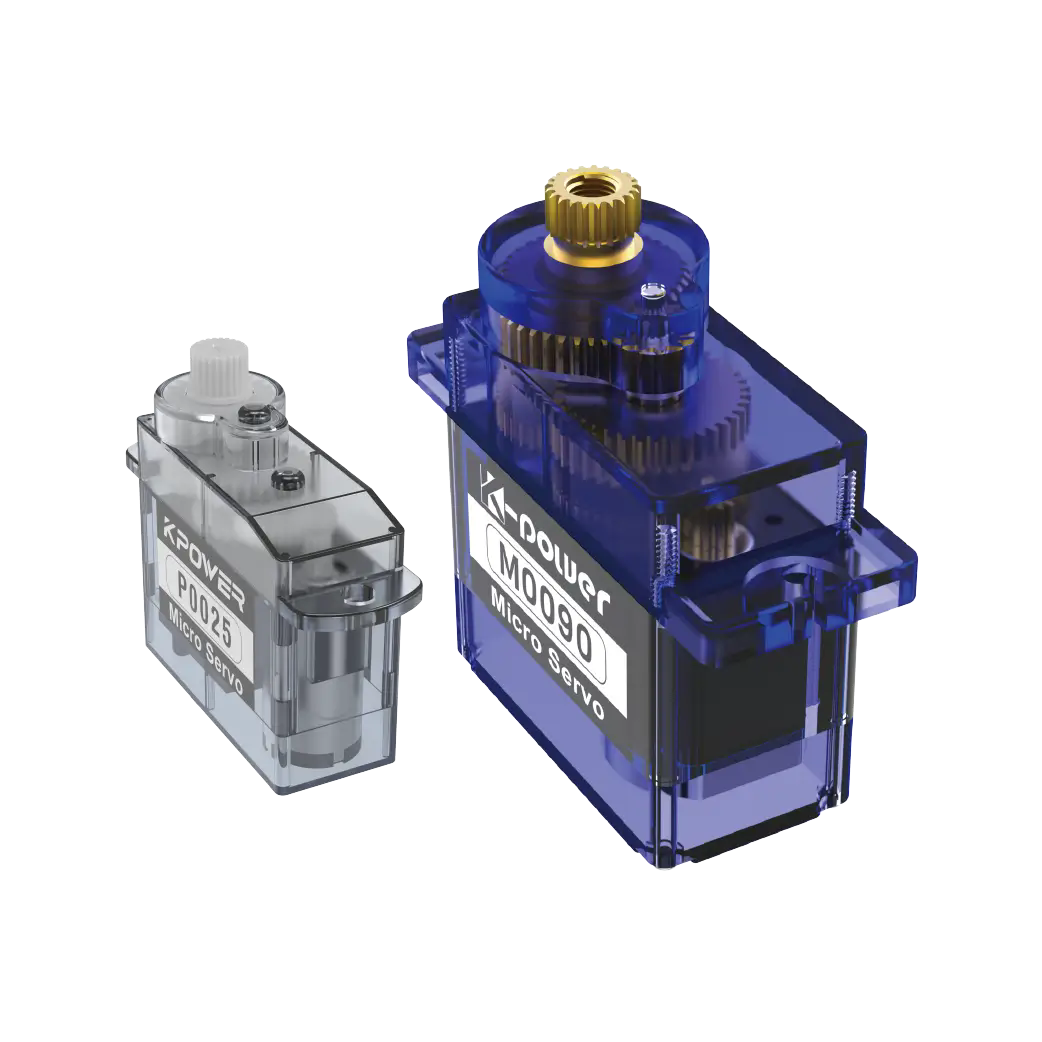
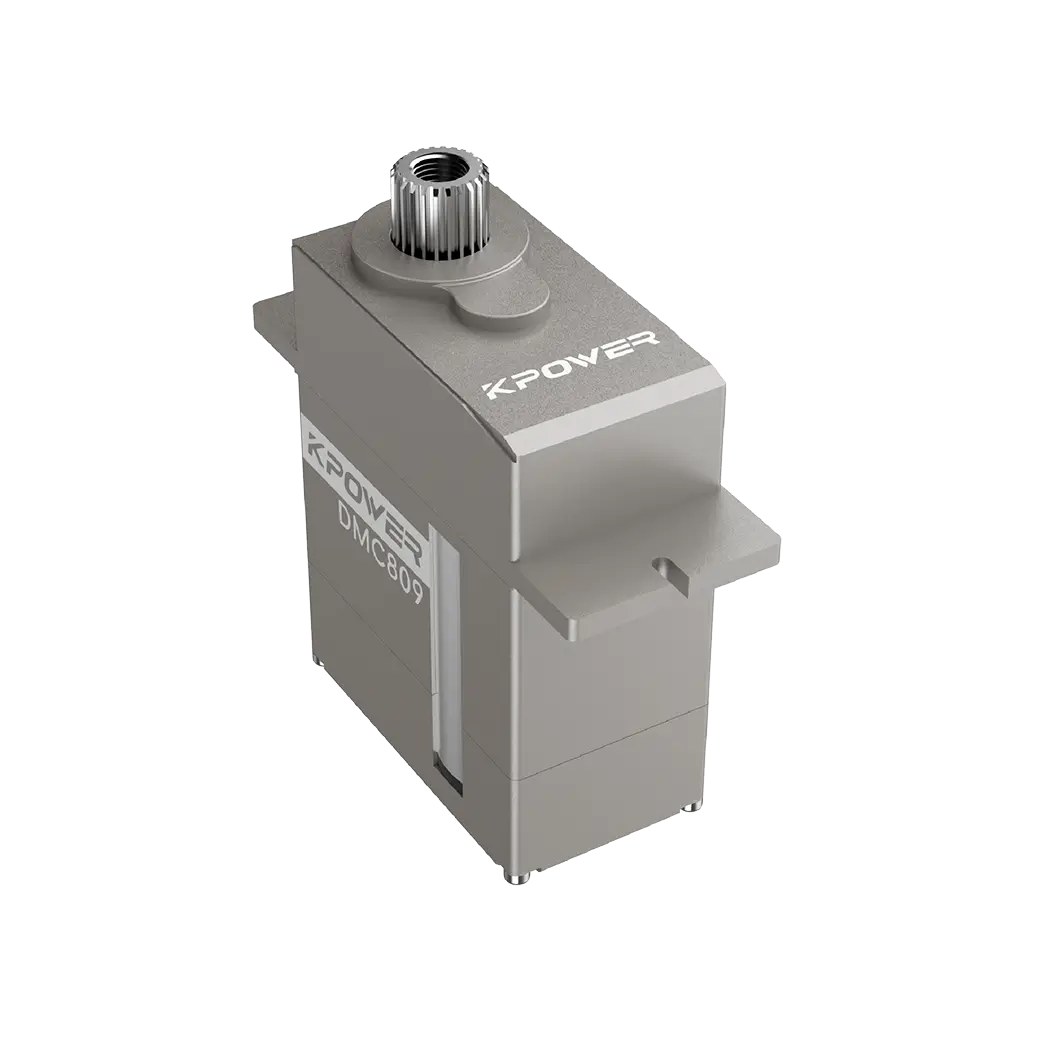
That’s the moment you meet the microservo. Specifically, something like the ubiquitous 9g FS90 model. It’s almost a rite of passage. You see them everywhere—in hobbyist blogs, kit instructions, tutorial videos. They’re the tiny workhorses of the maker world. But here’s the quiet frustration no one talks about: not all those little plastic-geared boxes are created equal. You order a few, wire them up, and sometimes… they just don’t sing. The motion is jittery. The gears sound like they’re chewing gravel. Or worse, after a few enthusiastic movements, they just sigh and stop. Your cool project now has a limp.
Why does this happen? Think of a microservonot as a commodity, but as a miniature orchestra. You need the motor (the passion), the gears (the precision), the control circuit (the conductor), and the casing (the discipline) to all perform in perfect harmony. When one section is out of tune, the whole performance falters. A weak magnet in the motor, gears molded with microscopic flaws, a circuit vulnerable to signal noise—any of these can turn your elegant solution into a source of headache.
But what if it didn’t have to be that way?
Let’s talk about harmony. At Kpower, we see servo motors not as mere components, but as kinetic storytellers. The FS90 archetype is a fascinating study. Its job is to convert an electrical pulse into a precise angle of rotation. Simple in theory, delicate in practice. So, how do you ensure the story it tells in your project is one of reliability, not drama?
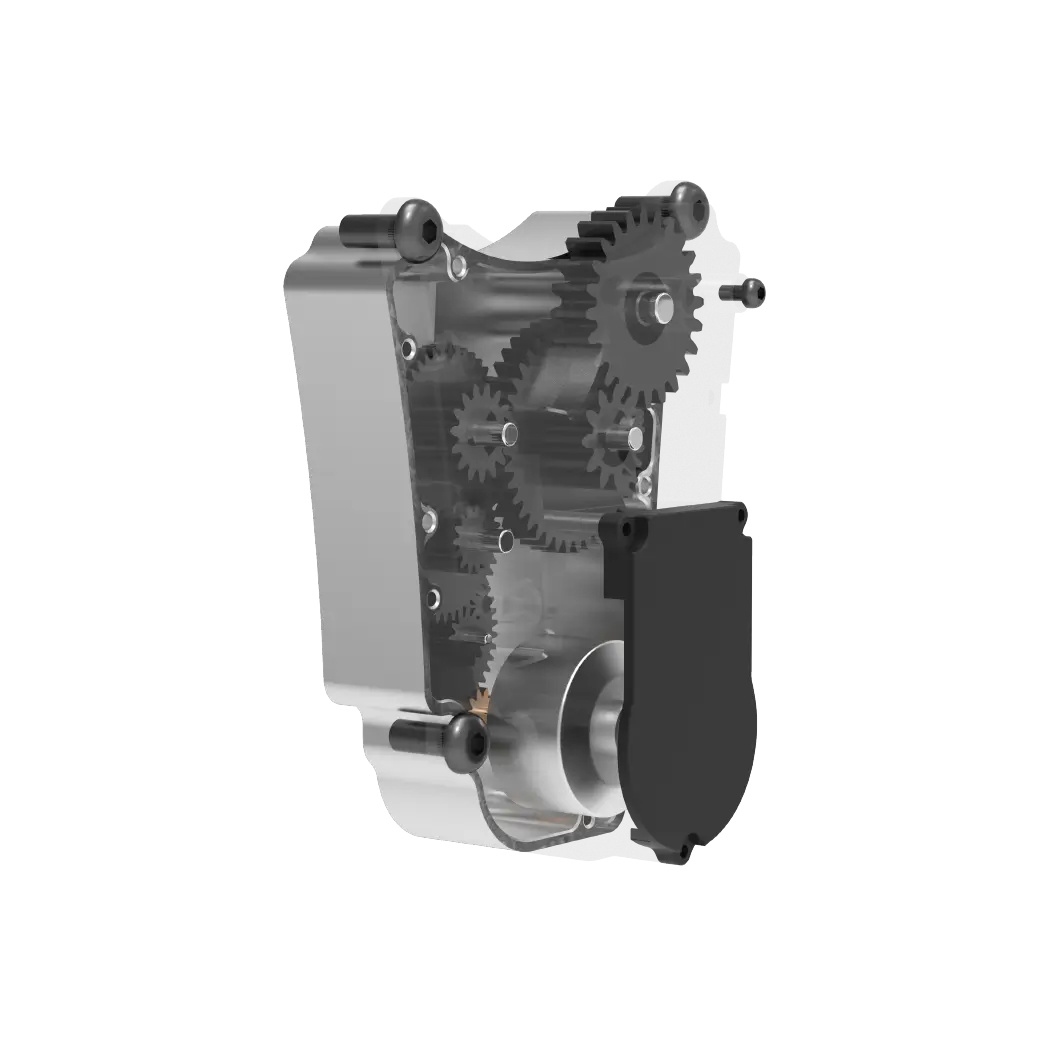
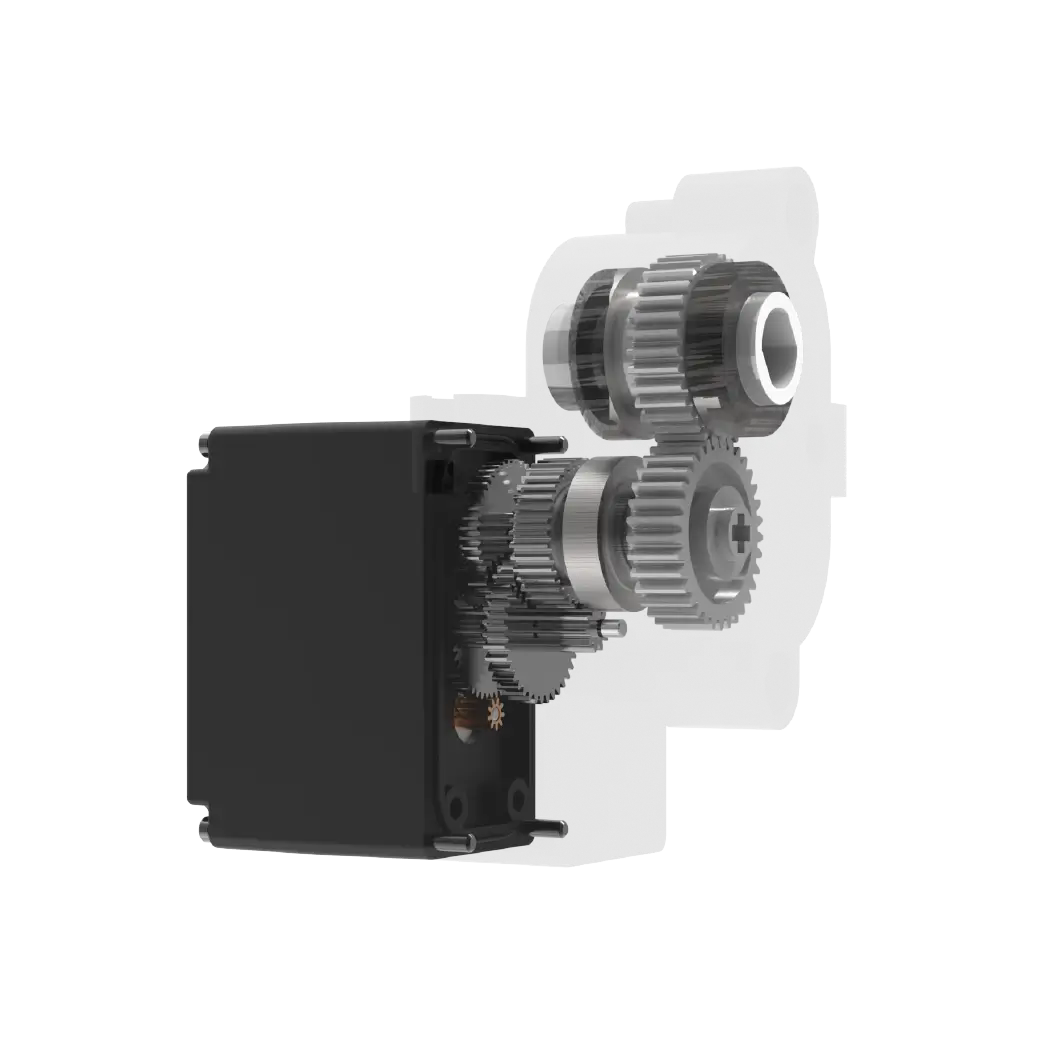
First, listen with your fingers. Not literally, but pay attention to the feel of operation. A well-made micro servo moves with a quiet, confident hum. There’s no grinding, no excessive play in the output shaft. When it holds a position, it does so with quiet resolve, not a straining buzz. This tactile confidence comes from investing in the unseen: brass gears instead of flimsy alternatives, a balanced DC motor, and a potentiometer that gives accurate feedback without drift.
People often ask, “Aren’t all 9g servos basically the same?” It’s a fair question. From the outside, they look like identical twins. The difference is on the inside—in the philosophy. Is it built to just meet a spec sheet, or to endure the iterative, sometimes messy process of creation? When you’re prototyping, you plug and unplug wires a dozen times. You might stall the servo accidentally. You push it. A component built with endurance in mind forgives these learning moments. One with a “just enough” philosophy might not.
Consider the case of a small automated plant-watering arm. The servo needs to swing a tiny water vial back and forth, day after day. It’s not a dramatic movement, but it’s a relentless one. Consistency is king. This is where torque stability and gear integrity write the script. A slight wear in the gears over weeks can mean your fern gets a flood one day and a drought the next. The narrative of your project shifts from “smart helper” to “unpredictable nuisance.”
Choosing the right partner for this motion matters. It’s less about finding a “supplier” and more about finding a co-author for your project’s movement chapter. You want parts that understand the assignment. That means looking for signals beyond the price tag. Look for transparency in performance curves. Value a consistent pulse response—where a 1.5ms pulse always means the same angle, every single time, without argument. Appreciate a design that manages heat effectively, because even tiny motors get stressed in enclosed spaces.
It’s like choosing a tool for a delicate craft. You wouldn’t use a blunt chisel for fine woodworking. Similarly, for the fine craft of bringing your small-scale ideas to life, you need a motion component that shares your commitment to detail.
This is the space Kpower occupies. We focus on orchestrating that internal harmony so you don’t have to worry about it. The goal is to deliver that tiny block of potential energy to your bench that simply works as expected, leaving your mind free to wrestle with the bigger, more creative problems of your build. The satisfaction isn’t in noticing the servo; it’s in forgetting it’s even there because it performs its duty without fuss.
So, as you piece together your next great little idea, remember the moving parts. The quality of motion can elevate a clever gadget into a polished creation. It’s the difference between a project that works and a project that thrives. Give your ideas the precise, dependable movement they deserve, and watch them turn from sketches on a napkin into things that truly live and move in the world. Your vision deserves a steadfast heart. Make sure it beats with precision.
Established in 2005, Kpower has been dedicated to a professional compact motion unit manufacturer, headquartered in Dongguan, Guangdong Province, China. Leveraging innovations in modular drive technology, Kpower integrates high-performance motors, precision reducers, and multi-protocol control systems to provide efficient and customized smart drive system solutions. Kpower has delivered professional drive system solutions to over 500 enterprise clients globally with products covering various fields such as Smart Home Systems, Automatic Electronics, Robotics, Precision Agriculture, Drones, and Industrial Automation.
Update Time:2026-01-19

Contact Kpower's product specialist to recommend suitable motor or gearbox for your product.


