

TECHNICAL SUPPORT


Published 2026-05-11
suspense
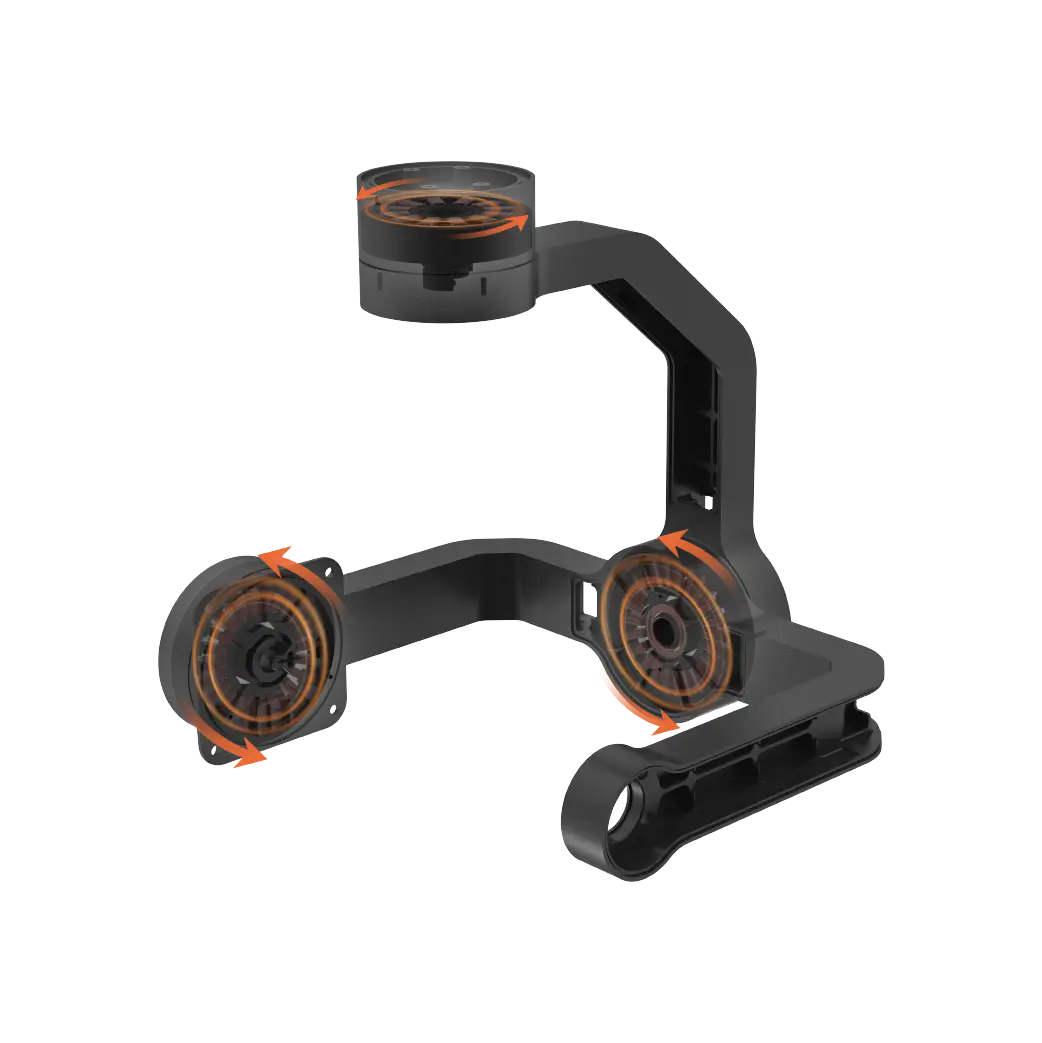
I once stood in front of a well-made robot and saw with my own eyes that its gimbal moved very flexibly. It turned to the left and to the right, and it was completely at ease when it lowered its head and raised its head. I was curious, so I asked the person who made it: "How does this thing rotate so flexibly?" The person who made it calmly replied: "The steering gear acts after receiving orders." When I heard this, I couldn't help but think, where did the order come from? So I decided to explore the secret.
After some exploration, I found out the secret. The instructions received by the servo come from complex program codes. This code was carefully written to accurately control the operation of the servo, allowing the robot gimbal to rotate left and right and pitch according to the instructions. In the process, I deeply realized the subtleties of technology, and also gained a deeper understanding of the structure and operating principles of the robot.
The common camera pan/tilt used for surveillance is responsible for patrolling and observing during the day and night. During the entire working process, it always remains alert and pays attention to everything around it.
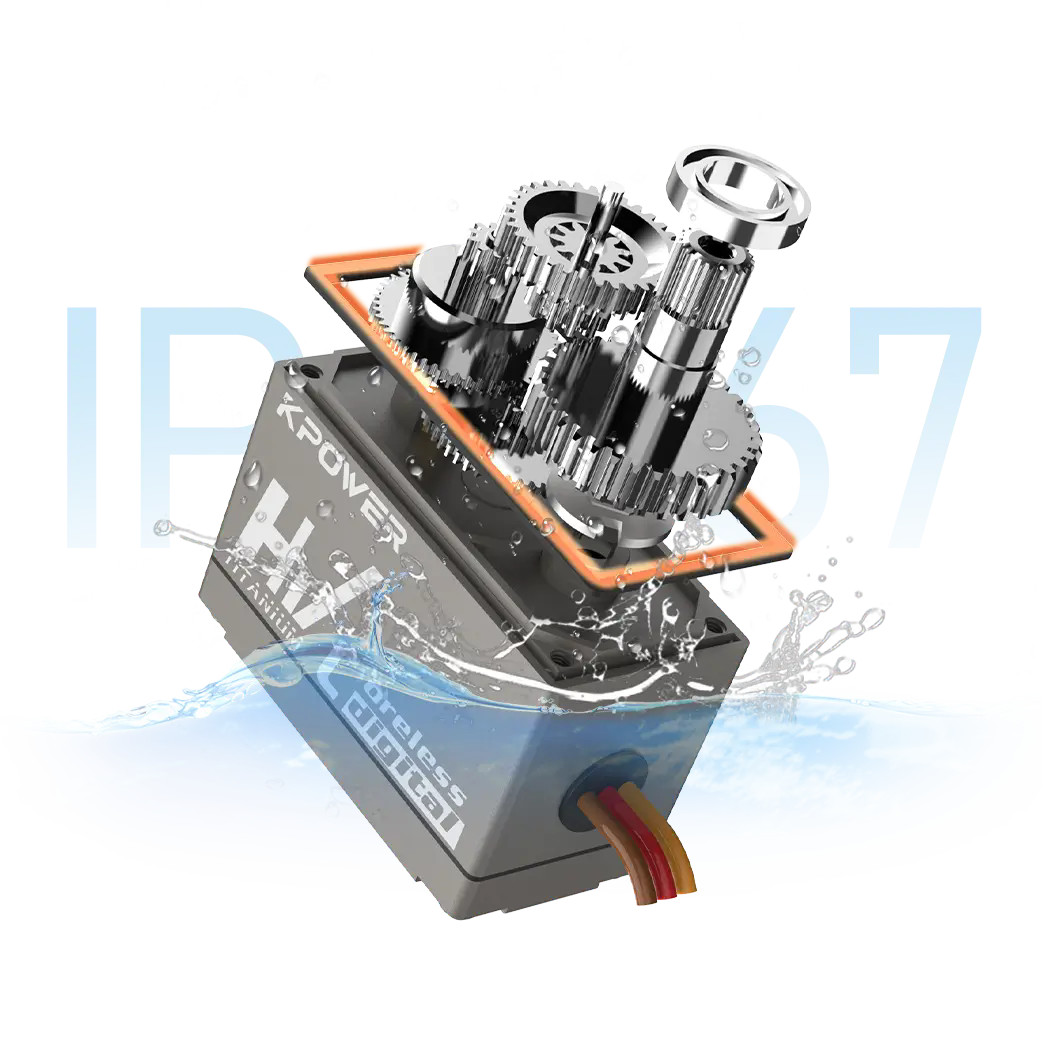
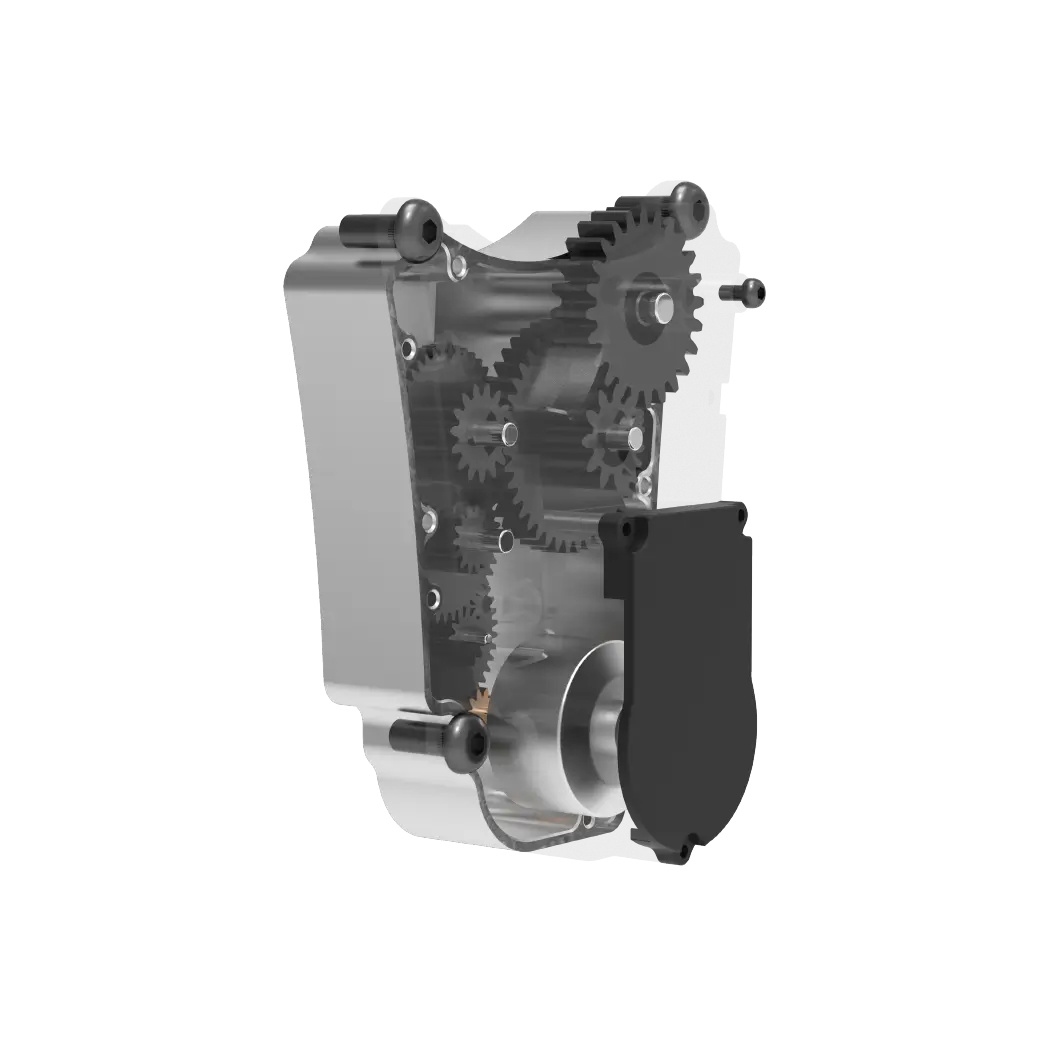
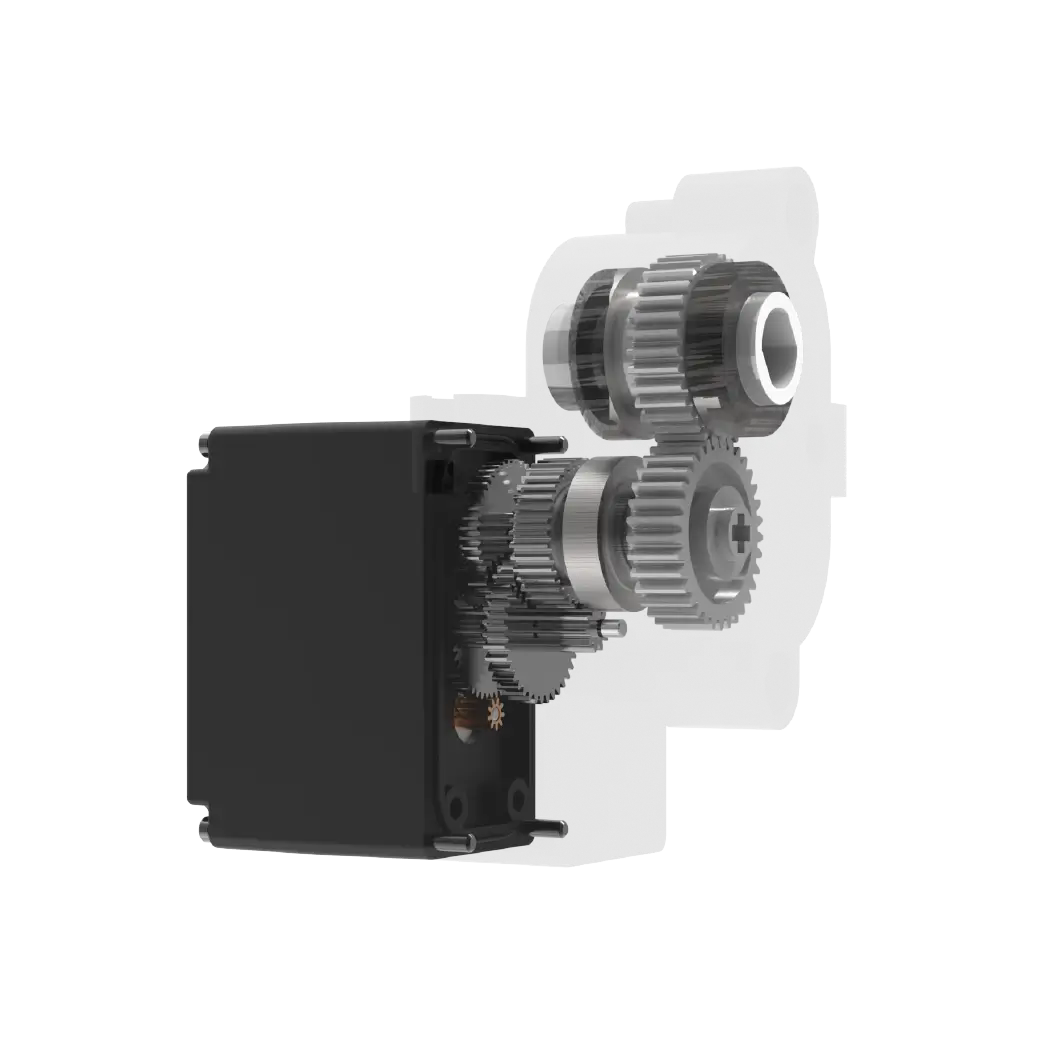
One day, my gimbal suddenly stopped midway, and I could no longer make smooth movements such as turning. I had no choice but to disassemble it for inspection, and found a small motor device inside. This motor was connected to a set of gears, and that set of gears drove a turntable. However, this motor seems to only know how to rotate, but has no idea where it should stop. What is it that can make it stop at a precise angle?

The precise control of the steering gear and gimbal is not determined by the voltage level. The key lies in the technical method of "pulse width modulation". Just imagine this scenario: When you are facing the waiter, every time you high-five, you will take one step forward; if you high-five twice, you will take two steps forward.The operating principle of the steering gear is quite similar to this. It gives a high-level pulse signal every 20 milliseconds to achieve control.。
Specifically, when the pulse width is 0.5 milliseconds, the servo will accurately rotate to the 0 degree position; If the pulse width changes to 1.5 milliseconds, the servo will move to 90 degrees; when the pulse width reaches 2.5 milliseconds, the servo will accurately rotate to 180 degrees. It is precisely with the help of such fine pulse width control that the servo gimbal can achieve a variety of precise movements to meet different application needs.
I used a common microcontroller to output this signal, and the pan/tilt turned according to the pulse width.
How to ensure that each pulse corresponds to the same angle? There is a potentiometer inside the steering gear, which is connected to the output shaft. When the output shaft rotates, the resistance of the potentiometer will change. The chip will compare the "target pulse" and the "current angle" and drive the motor based on the difference between the two. This is called closed-loop control: when the signal is transmitted, the servo will start to rotate; when it reaches the set angle, the servo will stop rotating. I once adjusted the pulse range wrongly, which caused the gimbal to shake constantly. Later, I calibrated the midpoint value, and the gimbal became as stable as before.
Q: Why does the gimbal shake when it rotates?
A: The pulse frequency is unstable or the power supply is insufficient. Check the signal line contact and replace with a high current power supply.

Q: Can the gimbal be controlled to rotate continuously?
A: Under normal circumstances, the limit of ordinary servos is usually 180 degrees.If you plan to achieve continuous rotation, you must use a "360-degree steering gear" or make feedback changes to it.。
Q: How to make the gimbal sweep the area at a constant speed?
A: Use a microcontroller to gradually increase the pulse width, with a delay of more than 20 milliseconds for each step.
Q: When you need to control multiple PTZs at the same time, what exactly do you need to pay attention to?
A: Each signal line is independent to avoid common ground interference. The total current does not exceed the power supply rating.
If you want to make your own gimbal, here are some suggestions:
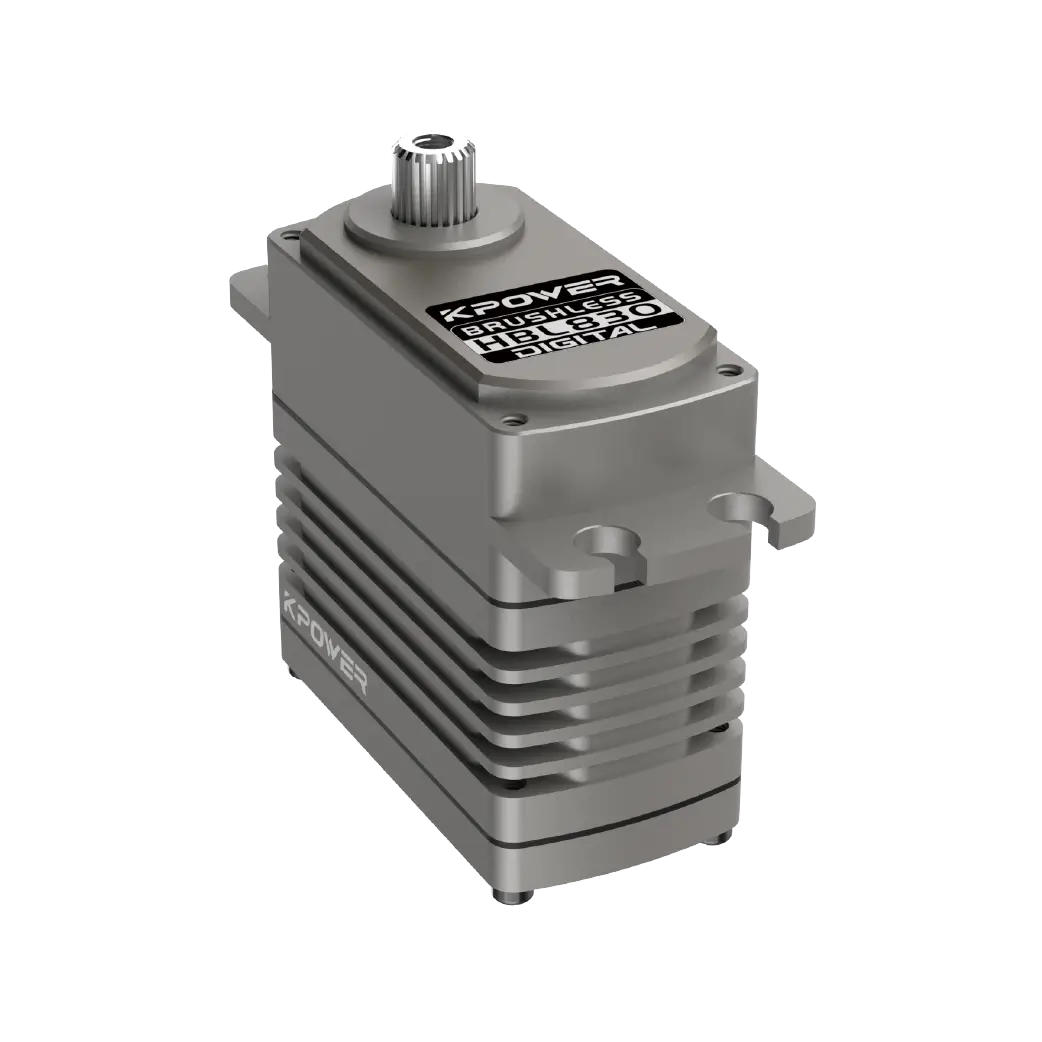
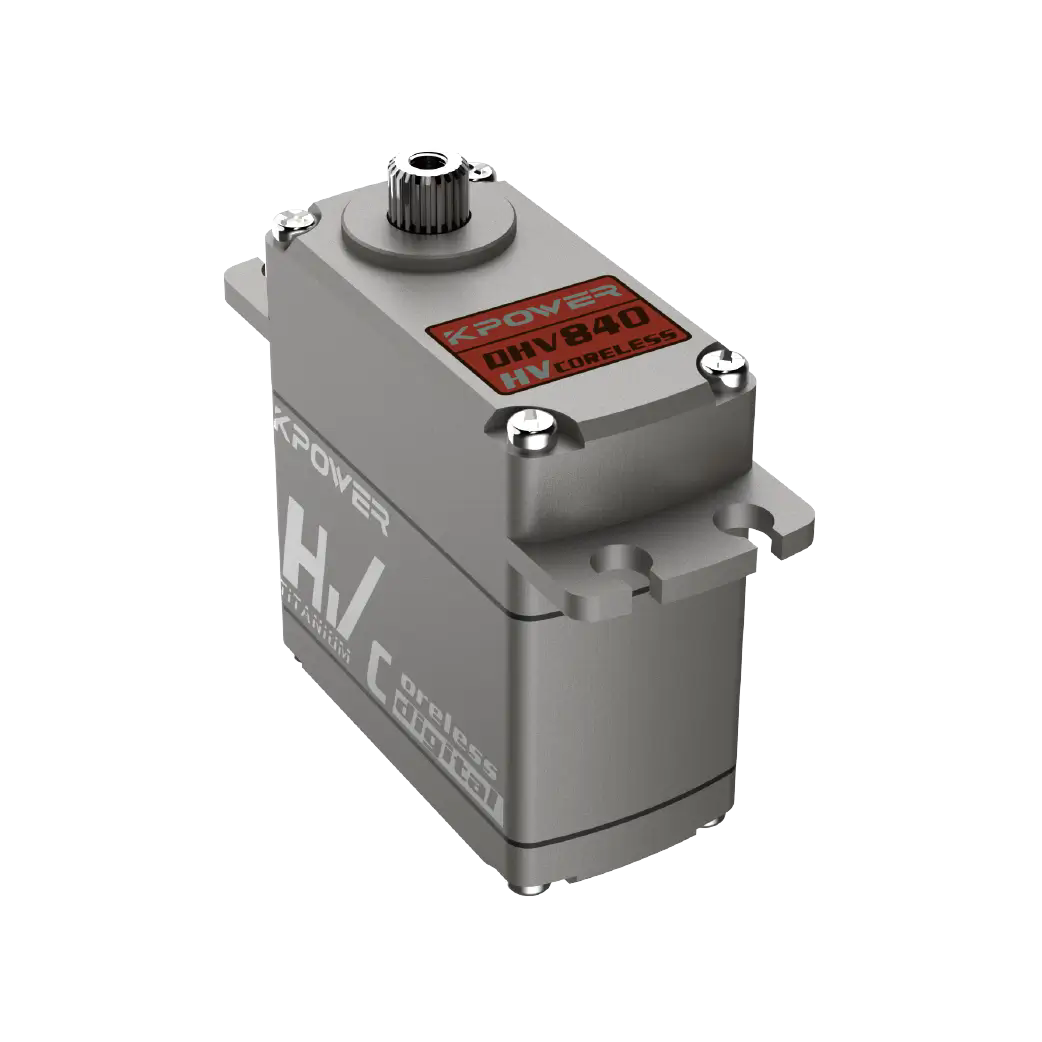
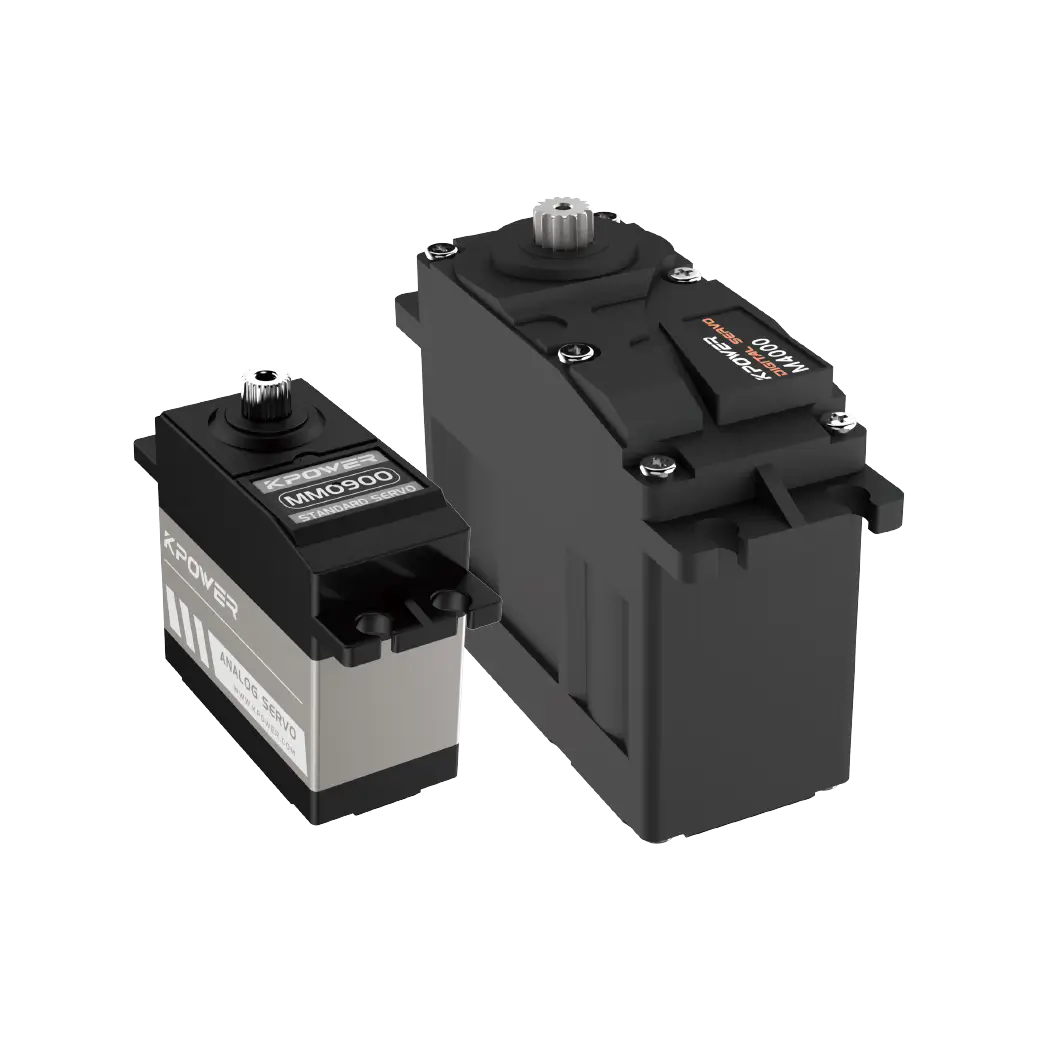
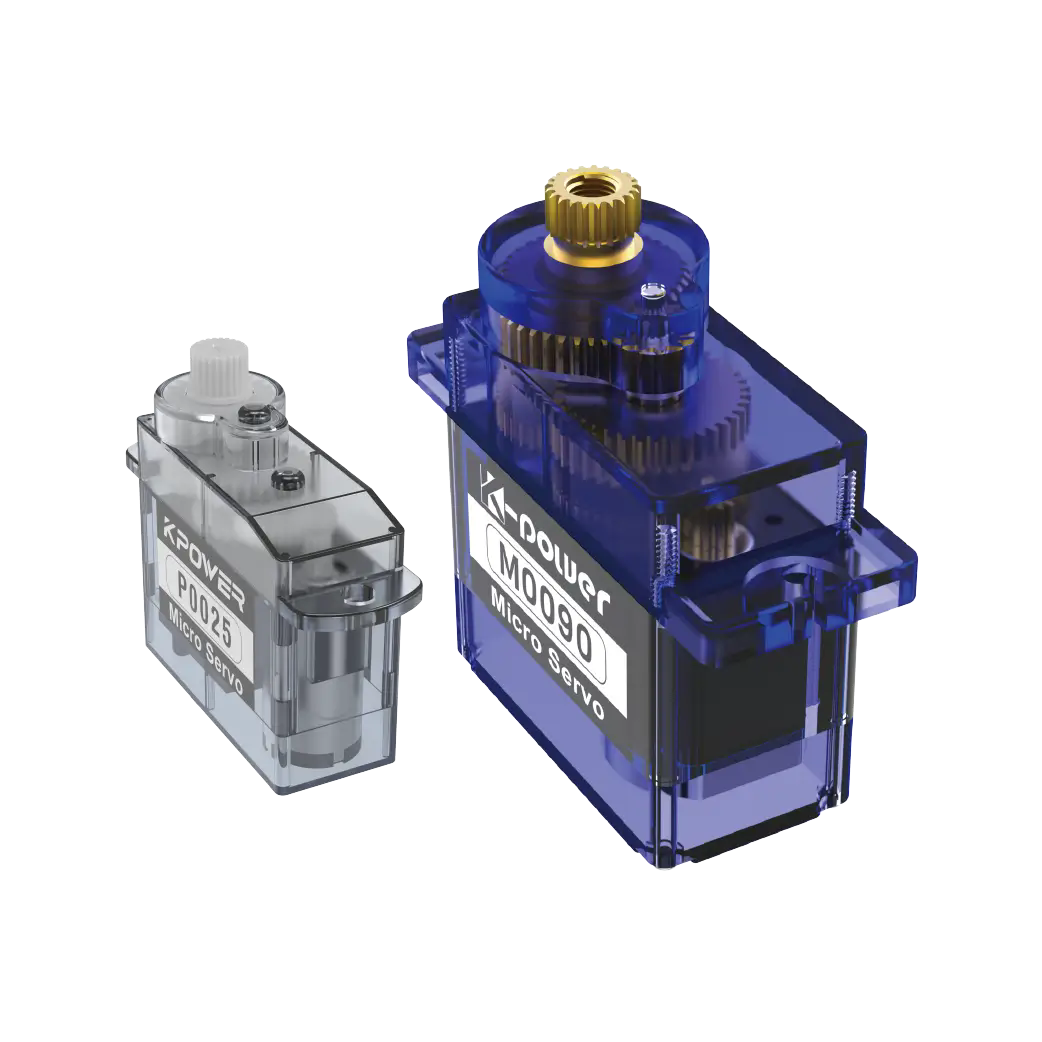
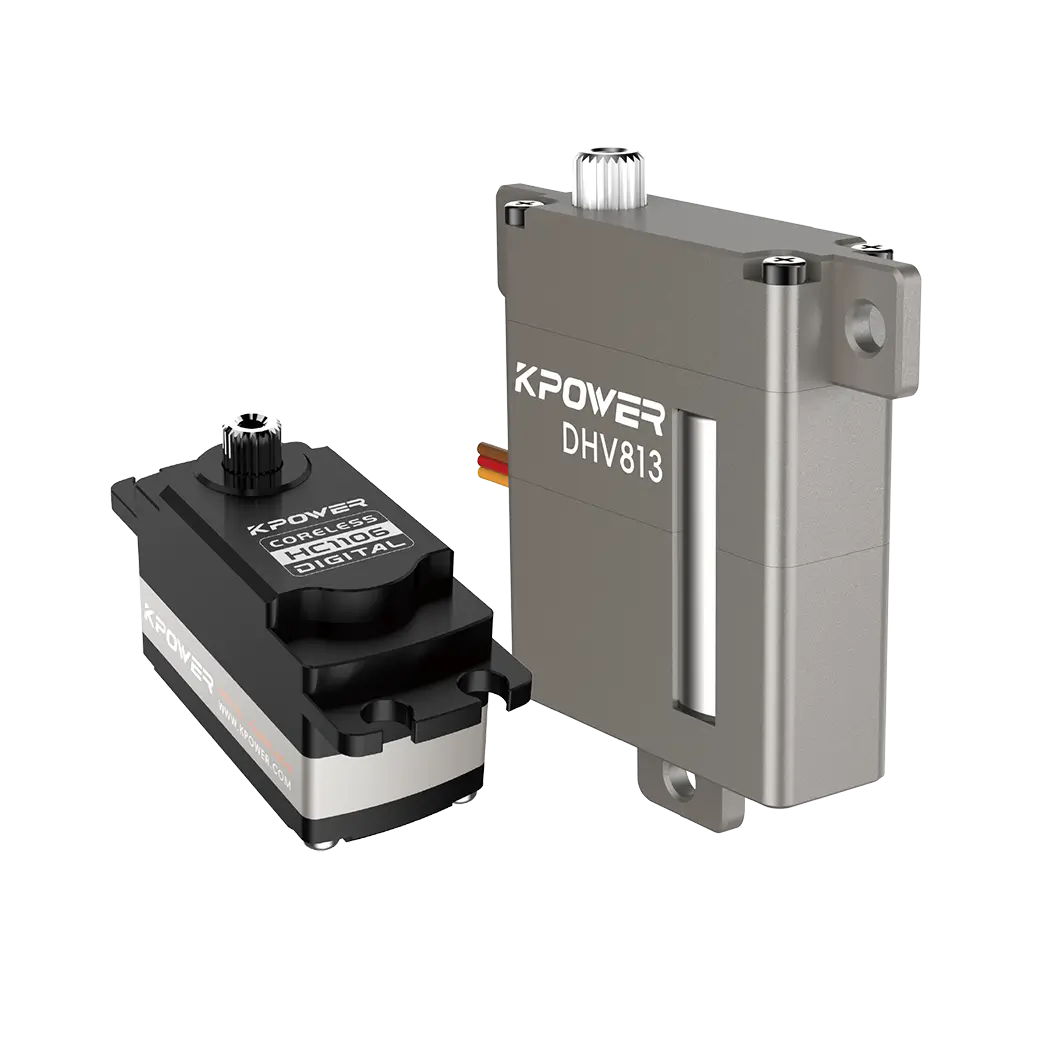
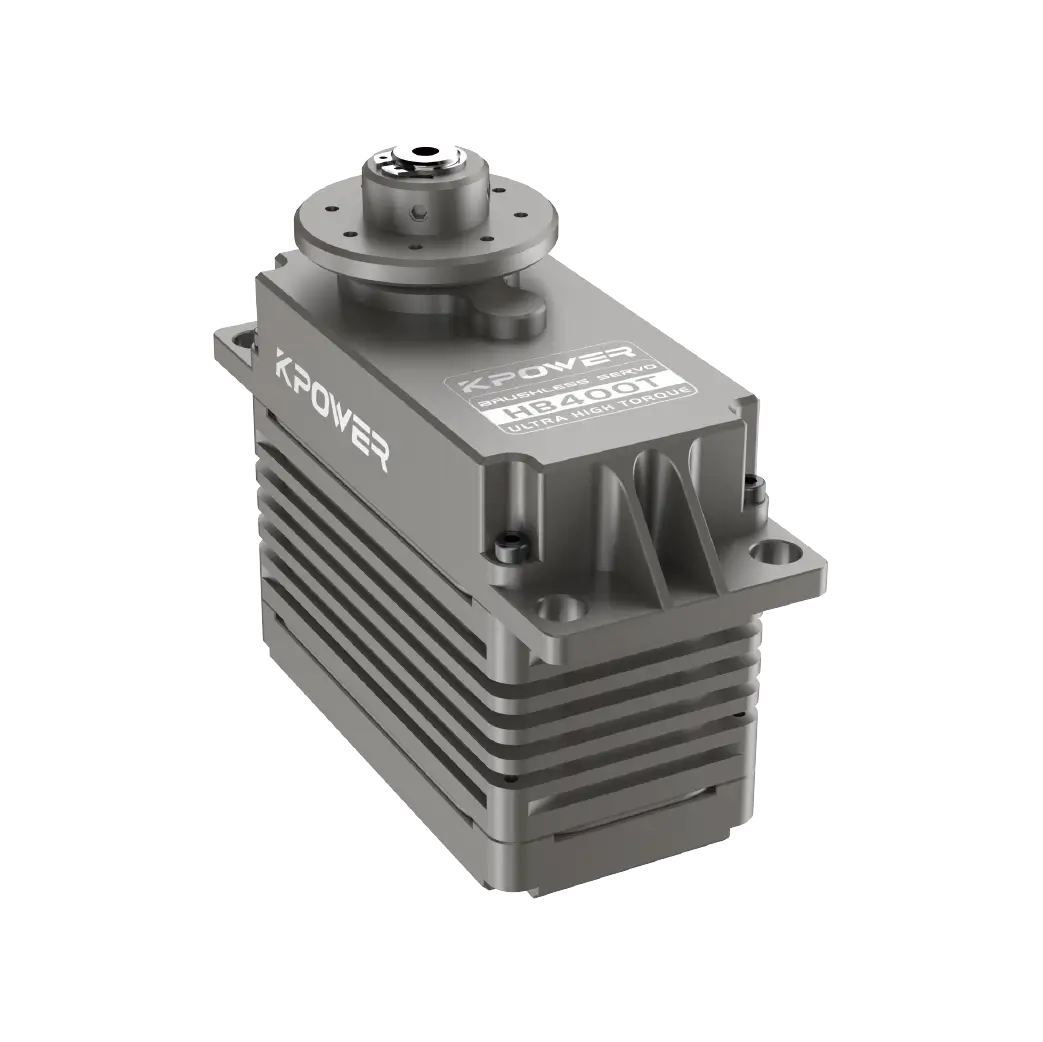
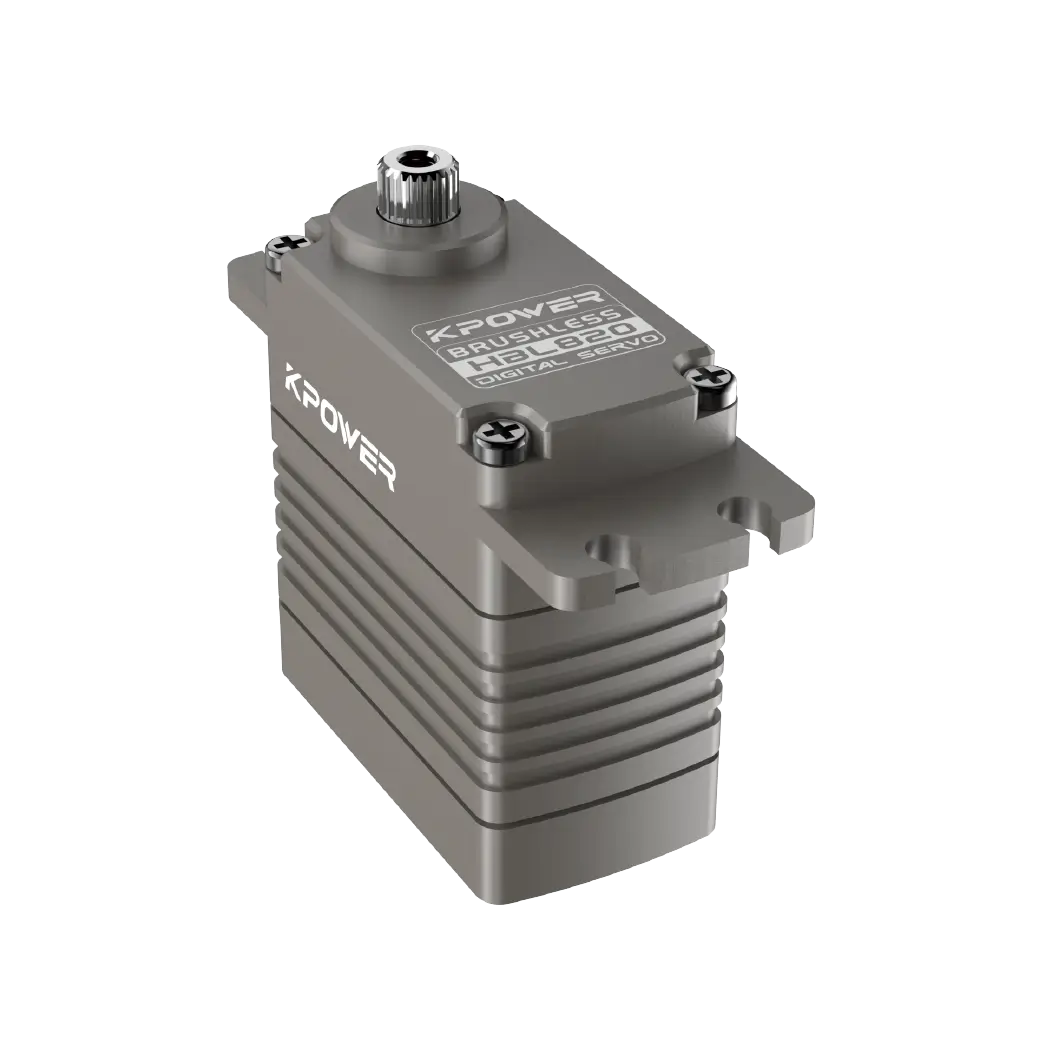
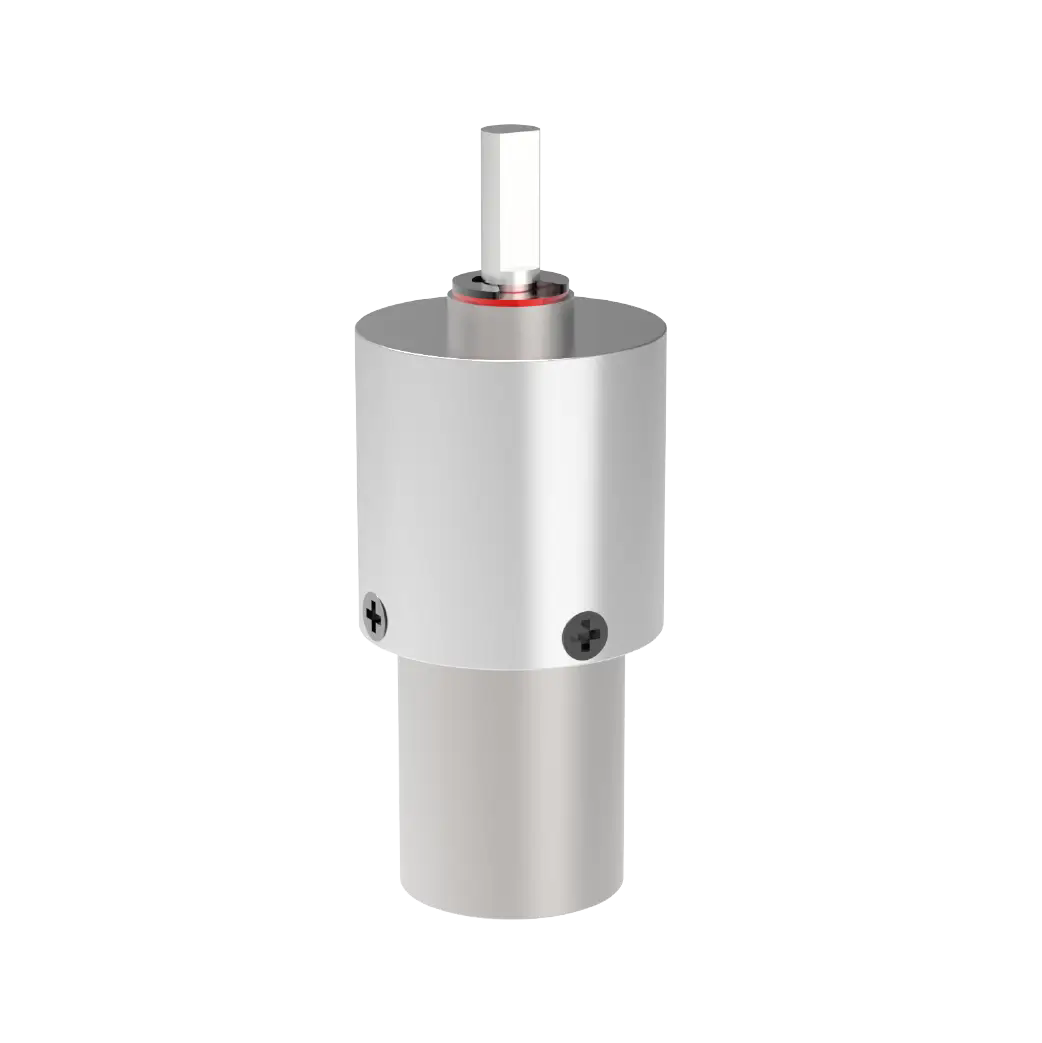
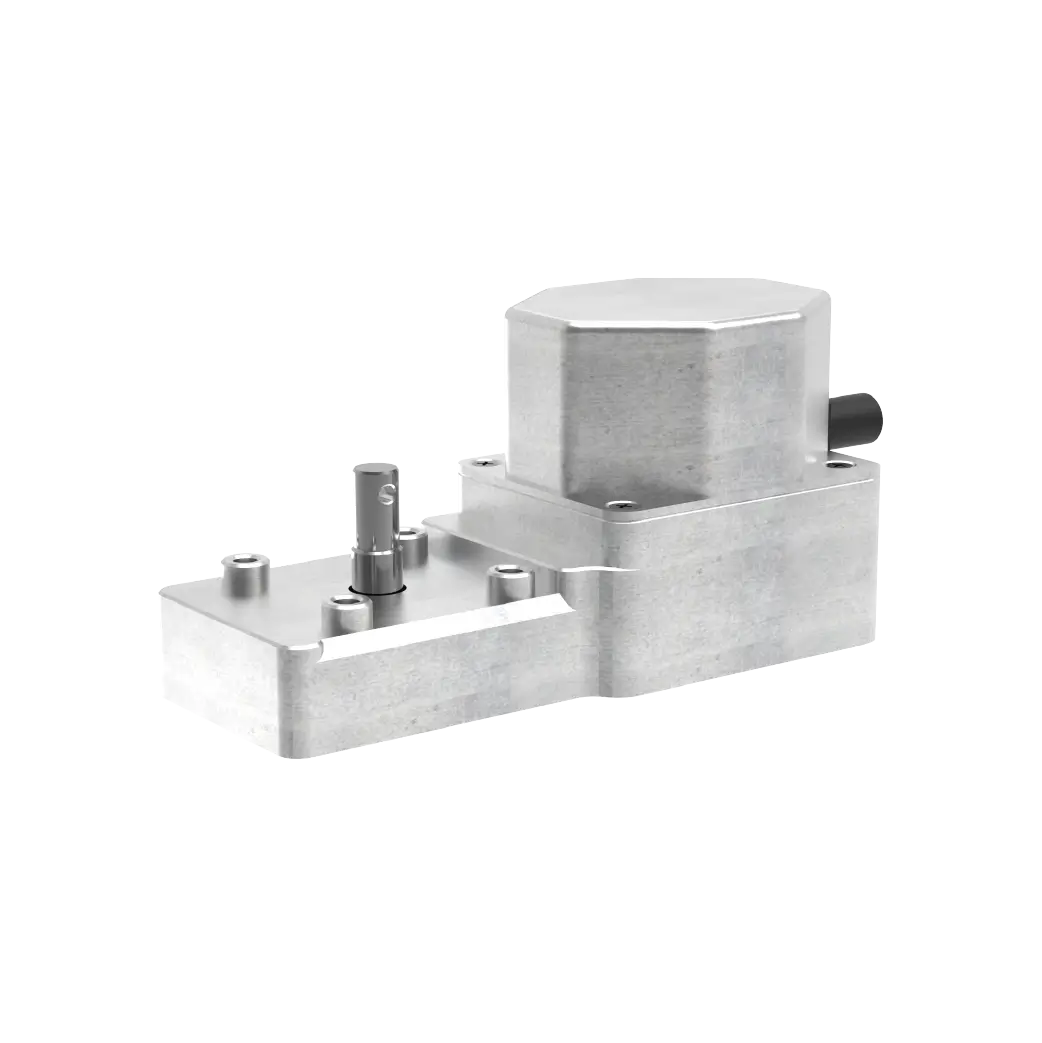
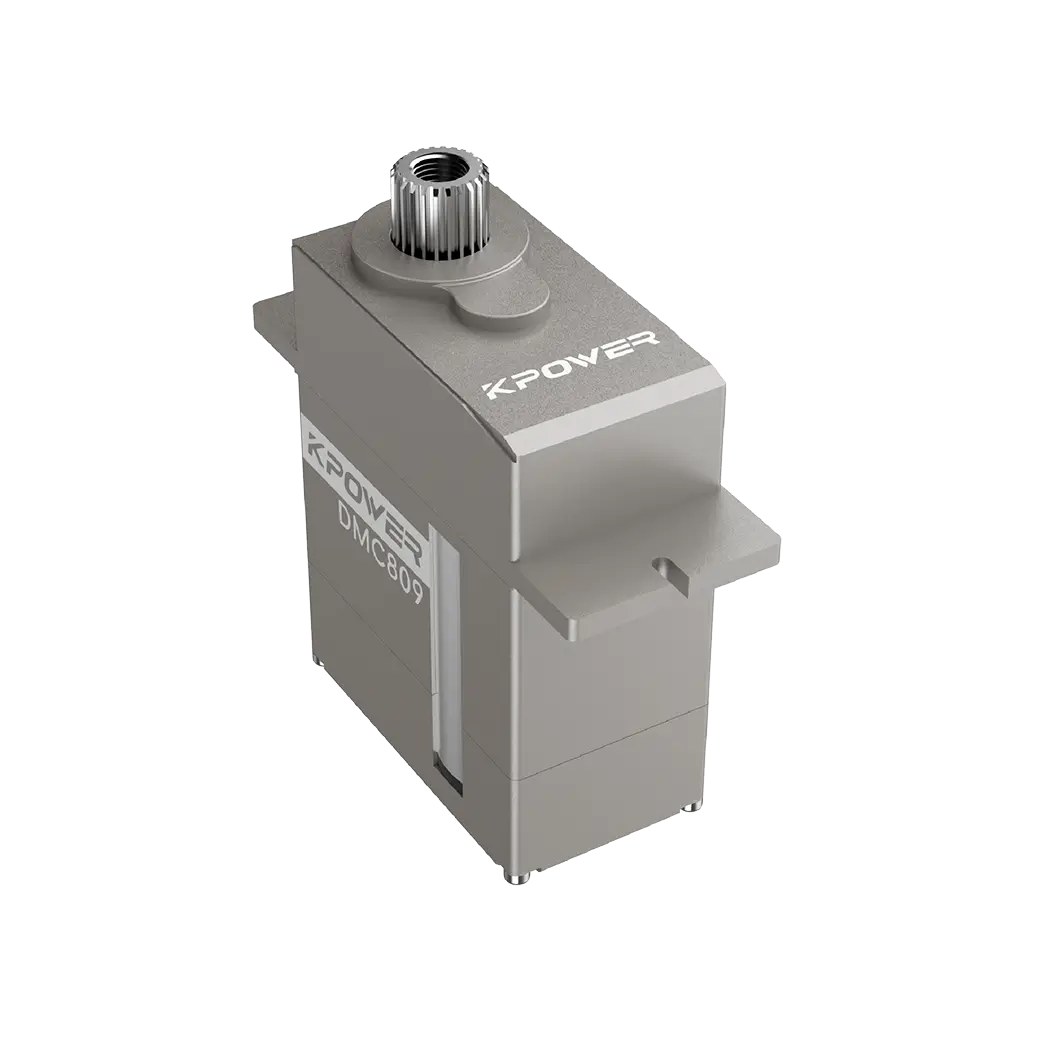
First, buy a standard servo, such as the brandkpowerServo's servo is then connected to the microcontroller to test the pulse range of the servo.
Then fix the gimbal bracket, making sure the load does not exceed the servo torque.
Finally, write code to increase the pulse from minimum to maximum and observe the angle correspondence.
Core points: There is a unique mystery in the rotation of the gimbal, and the most critical part lies in the pulse width and feedback calibration. During the operation of the gimbal, if there is no closed-loop control, out-of-synchronization will occur; if there is no calibration operation, offset will occur.
Today’s action suggestions are to choose a servo, a development board, and a DuPont cable. When the input pulse is 1.5ms, the gimbal should stop at the neutral position; if the pulse is changed to 2.0ms, the gimbal will rotate to a position of approximately 135 degrees. After actually doing it, you can immediately understand the principle.
Therefore, the control of the servo gimbal is not something too mysterious. In fact, it is a coordinated performance of the signal and feedback.. In this process, the signal accurately conveys the command, and the feedback returns the status in a timely manner. The two assist each other and together build the foundation for the stable operation of the gimbal.
If you follow this method, thoroughly understand the interaction principle of signal and response, and carefully adjust various parameters, you can make the gimbal tilt as you like and accurately complete various preset actions. In complex application scenarios, it fully demonstrates its flexibility and efficiency, providing a solid and reliable guarantee for the execution of various tasks.
Update Time:2026-05-11

Contact Kpower's product specialist to recommend suitable motor or gearbox for your product.


