

TECHNICAL SUPPORT


Published 2026-07-21
Quick Answer
Using standard360 degreeservosfor a self-stabilizing gimbal is technically possible but highly inadvisable for any application requiring image stability or precise positioning. These motors lack internal feedback mechanisms, meaning they cannot measure their own position or velocity. Consequently, they cannot correct for external disturbances like wind or hand tremors. For true stabilization, you must usepositionservomotors equipped with encoders. While 360servos are cheaper and simpler to drive, they are designed for continuous rotation, not for holding a specific angle against resistance. Relying on them for gimbals will result in unstable footage, erratic movement, and frequent mechanical failure due to the inability to maintain a locked position under load.
The Hidden Cost of Cheap Rotation
Many hobbyists and entry-level engineers attempt to build gimbals using off-the-shelf360 degree servosbecause they are inexpensive and widely available. The logic seems sound at first glance: these motors rotate continuously, so they should be able to pan smoothly. However, this approach ignores the fundamental physics of stabilization. A self-stabilizing system requires two things: sensing motion and correcting it in real-time. Standard 360 servos provide neither. They are open-loop devices. Once you send a pulse width signal, the motor spins at a fixed speed in a fixed direction. It has no idea where it actually stopped, nor does it know if an external force pushed it off course.
When you try to implement a PID control loop with such a motor, the system fails immediately. The controller sends a command to stop, but without feedback, the motor may overshoot, undershoot, or continue drifting. This leads to "jittery" footage and an inability to track subjects reliably. The initial savings on hardware are quickly erased by wasted development time, poor performance, and the need to rebuild the system with proper components.
Why Feedback is Non-Negotiable
To understand why360 degree servosfail in this context, we must look at how stabilization works. A gimbal uses gyroscopes and accelerometers to detect angular velocity and tilt. The microcontroller then commands the motors to move in the opposite direction to counteract the shake. This requires precise positional awareness.
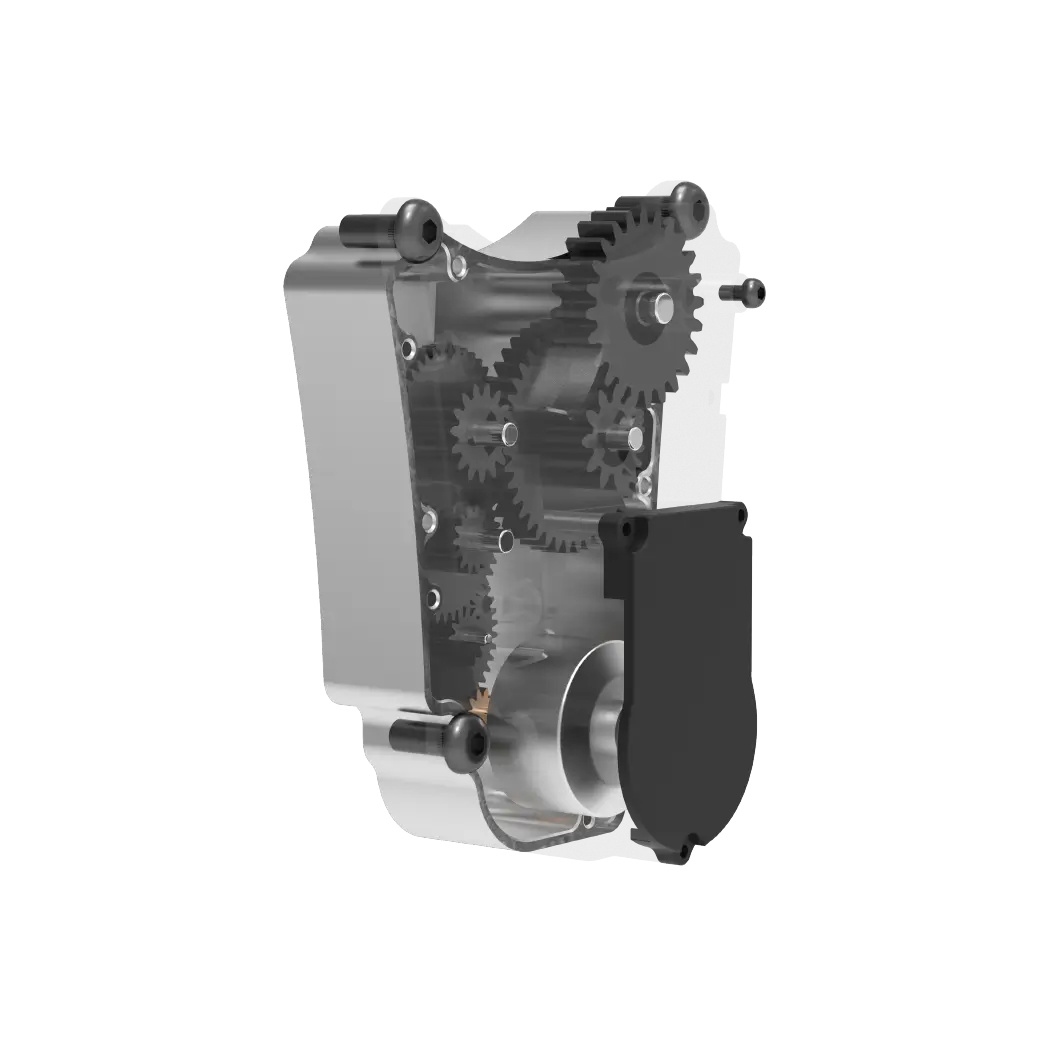
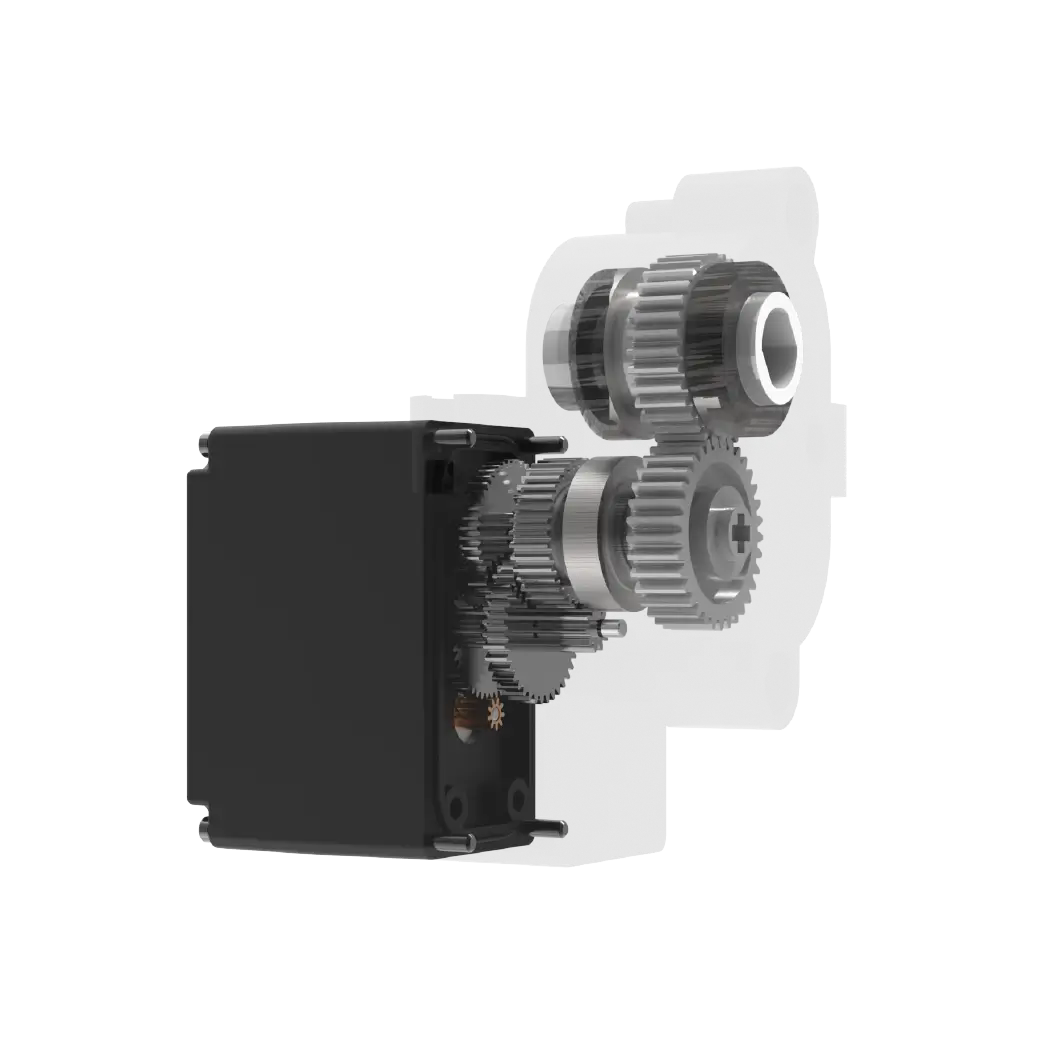
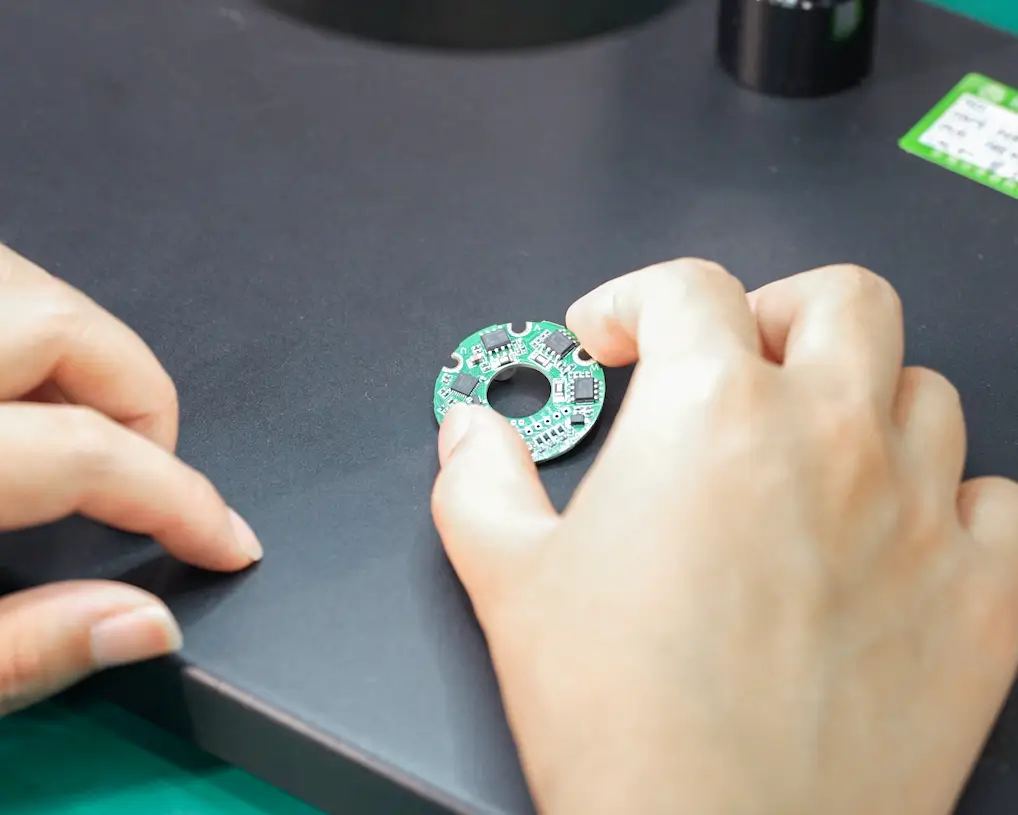
Standard servos use a potentiometer inside to measure the shaft angle.360 degree servoshave this internal potentiometer removed or modified, and the gear train is changed to allow continuous rotation. Without the position sensor, the motor becomes a simple DC gearmotor with a driver circuit. It can spin fast, but it cannot hold a position. If you apply a slight torque to a 360 servo trying to hold a static angle, it will simply slip or stall, with no electrical signal telling the controller that the target position was missed. In contrast, aposition servowith an encoder provides closed-loop control. It knows exactly what angle it is at, allowing the software to make micro-adjustments thousands of times per second.
Comparison: 360 Servo vs. Position Servo for Gimbals
The Risk of Mechanical Wear
Beyond performance issues, using360 degree servosin a gimbal setup creates unnecessary mechanical stress. Because the motor cannot sense its limits or its exact position, it often fights against itself when the control loop tries to correct errors. This "hunting" behavior causes the gears to grind and the motor to overheat. Standard plastic gears in budget servos are not designed for the high-torque, high-frequency corrections required in stabilization. Over time, this leads to stripped gears and complete motor failure. A properposition servodistributes the load evenly across its gear train because it stops precisely when commanded, reducing heat and wear significantly.
Selection Criteria for Stable Motion
If you are building a camera rig, drone gimbal, or robotic platform, do not compromise on motor type. Look forhigh torque servomodels that explicitly state they offer position feedback. Modern digitalposition servomotors can rotate 360 degrees continuously while still maintaining precise angular knowledge through magnetic encoders or modified potentiometers. These are specifically designed for applications like panoramic photography heads or continuous pan-and-tilt mechanisms where smooth, accurate movement is critical.
When evaluating suppliers, check the datasheet for "closed-loop control." If the spec sheet only lists "continuous rotation" without mentioning resolution or feedback type, it is a standard360 degree servoand should be avoided for stabilization tasks. Always verify thetorque requirementsof your lens or camera payload. Undersized motors will exacerbate instability issues, regardless of whether they are 360 or position types.
Common Questions About Gimbal Motor Selection
Can I modify a 360 servo to act like a regular servo?

No. The hardware modification to remove the position limit and gear reduction for continuous rotation is permanent. You cannot restore the potentiometer or gear train easily.
Are there 360 servos with feedback?
Yes, some specialized motors offer continuous rotation with encoder feedback. These are distinct from hobby standard360 degree servos. Look for "continuous rotation servos with encoders" or "pan-tilt actuators."
Why does my gimbal drift even with good code?
Drift is usually caused by a lack of position feedback. Without knowing the exact angle, the controller cannot distinguish between a sensor error and actual motor slippage.
Is a 360 servo better for panning shots?
Only if you need fast, uncontrolled scanning. For smooth, tracked panning, aposition servoallows for variable speed control based on the distance to the target, which a 360 servo cannot do.
What is the minimum torque needed for a small camera?
Typically, at least 10-15 kg.cm for the pitch axis and 5-10 kg.cm for roll, depending on the camera weight. Always consult theservo motor selectionguidelines for your specific payload.
Do I need a brushless motor instead?
For heavy professional cameras, yes. But for standard payloads, a high-quality digitalposition servois sufficient and more cost-effective than building a brushless system.
How do I test if a servo has feedback?
Send a command to move to 90 degrees. Then gently push the shaft. If the motor resists and returns to 90 degrees, it has feedback. If it moves freely or spins, it lacks feedback.
What happens if I use a 360 servo in a PID loop?
The loop will likely become unstable, causing the motor to oscillate rapidly or overheat as it tries and fails to correct non-existent errors.
Choosing the Right Component for Long-Term Reliability
Building a stable system requires respecting the limitations of each component.360 degree servosare excellent for driving wheels or fans, but they are fundamentally flawed for stabilization. By choosing the correctposition servotechnology, you ensure smooth operation, accurate tracking, and longer hardware life. Evaluate your needs based on feedback capability, not just rotation type. Verify yourtorque requirementsagainst the motor specs, and prioritize suppliers who provide detailed technical documentation. This approach minimizes risk and maximizes the quality of your final product.
Update Time:2026-07-21

Contact Kpower's product specialist to recommend suitable motor or gearbox for your product.


