

TECHNICAL SUPPORT


Published 2026-07-17
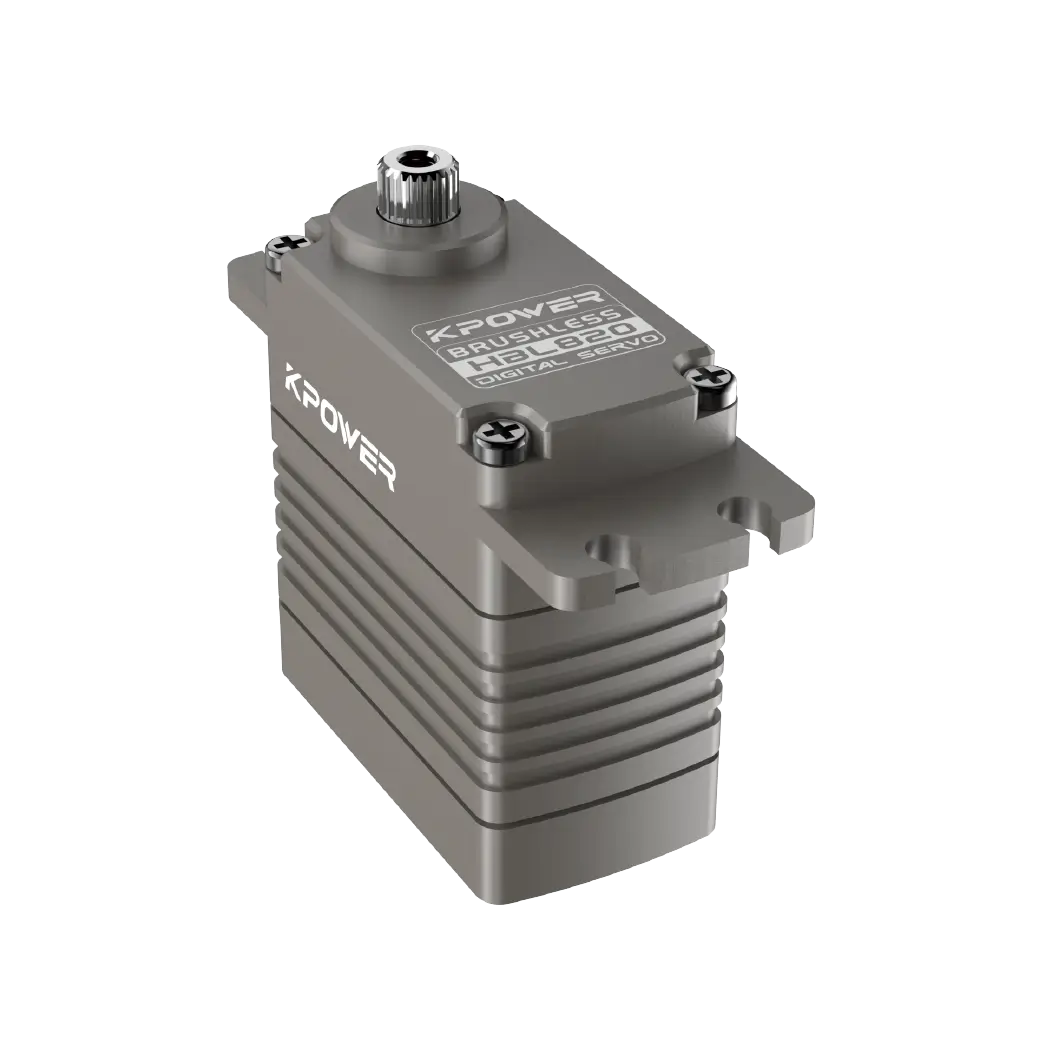
Robotservomotors operate by continuously correcting their position using a closed-loop feedback system to ensure precision and reliability in automated tasks. Unlike standard motors that just spin,servos use an internal encoder to monitor exact shaft position, allowing the controller to make real-time adjustments for torque and speed accuracy.
Choosing the rightrobotservomotorrequires understanding how these components interact to minimize errors and maximize uptime. This guide breaks down the fundamental mechanics, control logic, and key parameters that define servo performance.
01The Pain Point: Precision vs. Cost in Automation
Many engineers face a critical dilemma when designing automated systems. They need high-speed movement but also micron-level positioning accuracy. Standard stepper motors often lose steps under heavy loads, while simple DC motors lack the feedback needed for precise control. This gap leads to production defects, wasted material, and increased maintenance costs.
The solution lies in understanding the internal architecture of a servo drive. It is not just about power; it is about information flow. Aservo driveacts as the brain, interpreting commands and adjusting power delivery based on real-time feedback from the motor. Without this closed-loop mechanism, automation systems cannot guarantee the repeatability required in modern manufacturing.
02Understanding the Closed-Loop Feedback System
At the heart of every robot servo is a closed-loop control system. This system constantly compares the desired position with the actual position. If there is a discrepancy, known as an "error signal," the drive corrects it immediately.
The Three Core Components
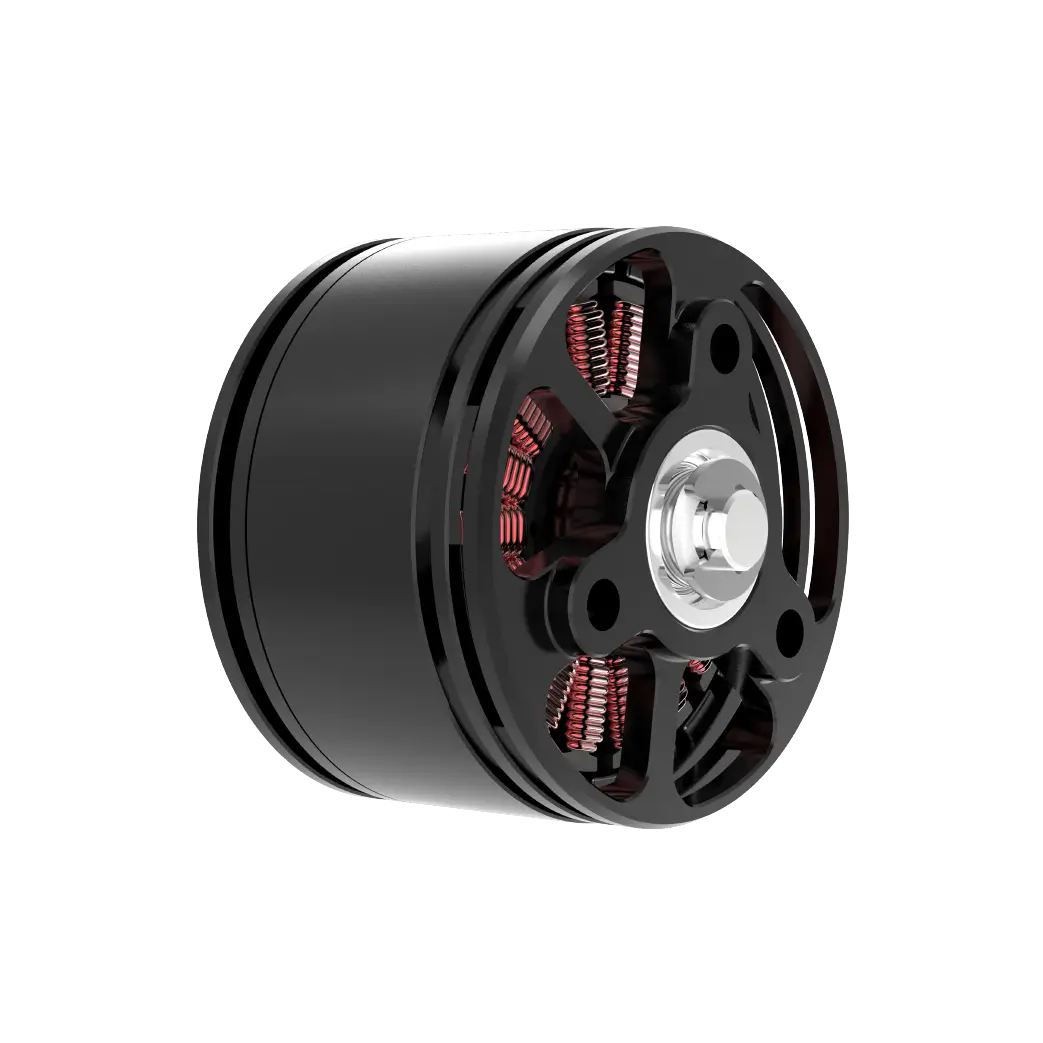
1. Motor:Converts electrical energy into mechanical motion. In modern robots, this is typically a brushless DC motor for higher efficiency and longevity.
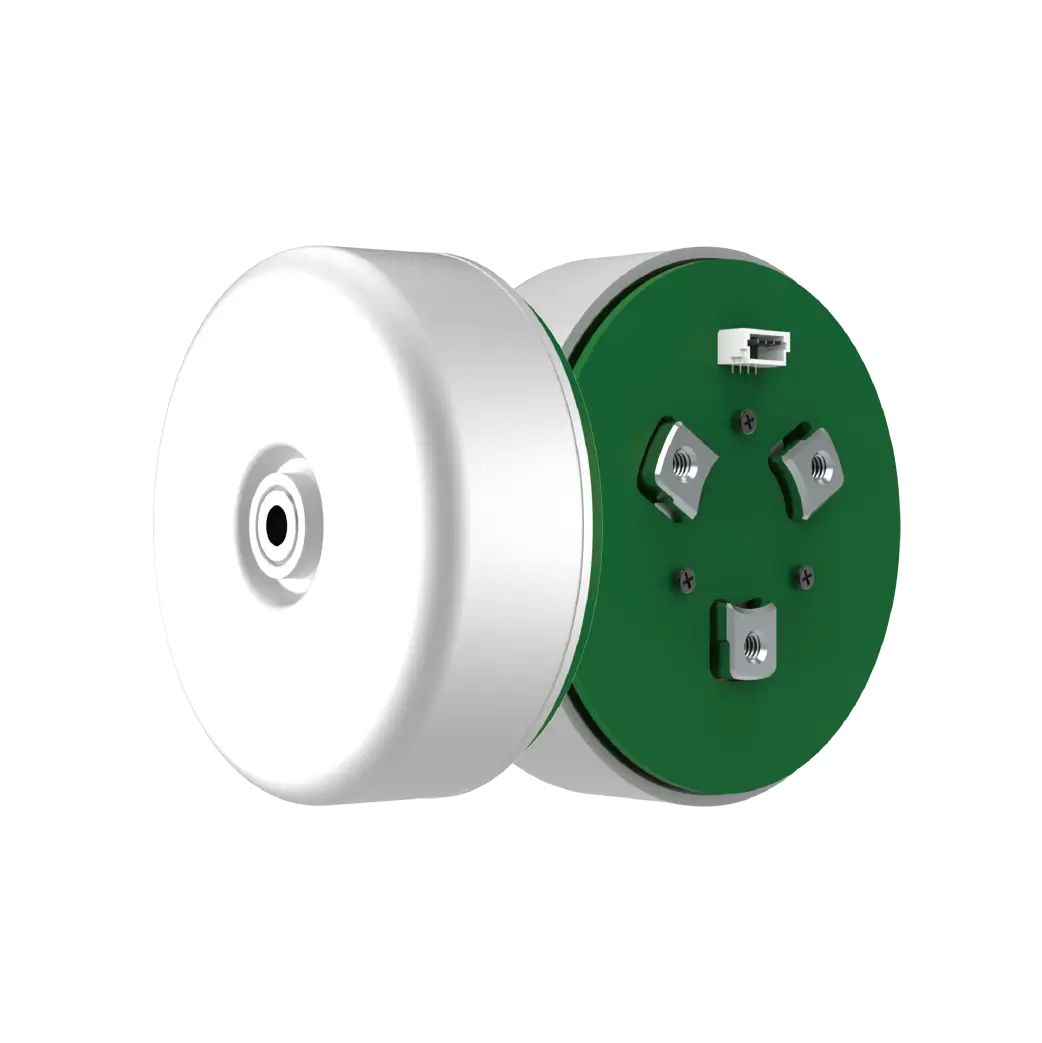
2. Encoder:A sensor attached to the motor shaft that measures rotation angle and speed. It sends this data back to the controller.
3. Controller/Driver:Processes the input command and the encoder feedback. It calculates the necessary current and voltage to move the motor to the exact target position.
This triad ensures that even if an external force pushes the arm off course, the servo detects the error and corrects it within milliseconds. This capability is essential for applications involvingmotion control applicationswhere safety and precision are non-negotiable.
03Key Technical Parameters That Define Performance
When evaluatingservo motor selection, technical specs matter more than marketing claims. Here are the critical parameters that impact system performance:
A mismatch in these parameters can lead to instability or poor performance. For instance, a motor with high torque but low response bandwidth may struggle in applications requiring quick stops and starts.
04Analog vs. Digital Servo Control Systems
The evolution from analog to digital control has significantly improved servo reliability. Early analog systems relied on continuous voltage signals, which were susceptible to noise interference over long cable runs.
Digital servo systems use pulse-width modulation (PWM) or serial communication protocols like EtherCAT or CANopen. These digital signals are far more robust against electromagnetic interference (EMI), which is common in industrial environments. Furthermore, digital drives allow for advanced tuning features, such as automatic gain adjustment and vibration suppression algorithms.
Choosing adigital servo drivereduces the risk of signal loss and simplifies troubleshooting. It also enables better integration with PLCs and SCADA systems, providing a clearer view of machine health and performance metrics.
05Common Mistakes in Servo Sizing
One of the most frequent errors in robotics projects is incorrect motor sizing. Engineers often focus solely on peak torque, ignoring continuous torque requirements or inertia matching.
Ignoring Thermal Limits:Motors heat up during operation. If the continuous torque rating is exceeded, the motor can overheat and fail prematurely.
Neglecting Inertia Mismatch:If the load inertia is too high relative to the motor inertia, the system becomes unstable. This causes oscillations and ringing, reducing positioning accuracy.
Overlooking Safety Factors:Always include a safety margin (typically 20-30%) in torque calculations to account for friction, acceleration forces, and potential overload conditions.
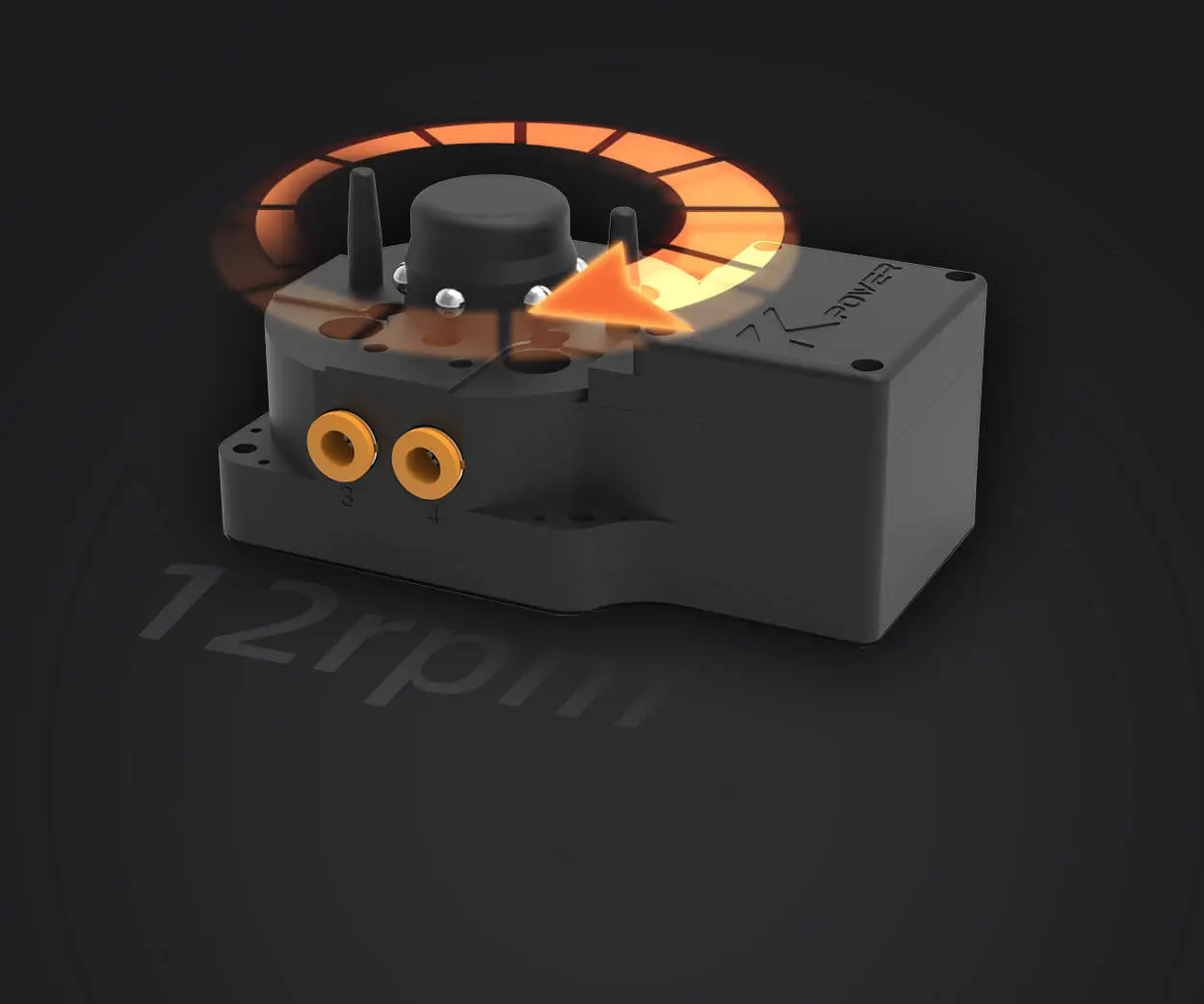
Proper sizing ensures that thekpowerservosystem operates efficiently within its thermal and mechanical limits, extending the lifespan of both the motor and the driven machinery.
06Practical Checklist for Buyers
Before finalizing a purchase, verify the following aspects to ensure compatibility and long-term reliability:
Communication Protocol:Ensure the servo supports the same protocol as your controller (eg, EtherCAT, Profinet).
Voltage and Current Ratings:Match the drive output to the motor's nominal requirements.
Encoder Type:Determine if you need incremental (cheaper) or absolute (position retained after power loss) encoders.
Mechanical Mounting:Verify shaft type, flange dimensions, and mounting hole patterns fit your design.
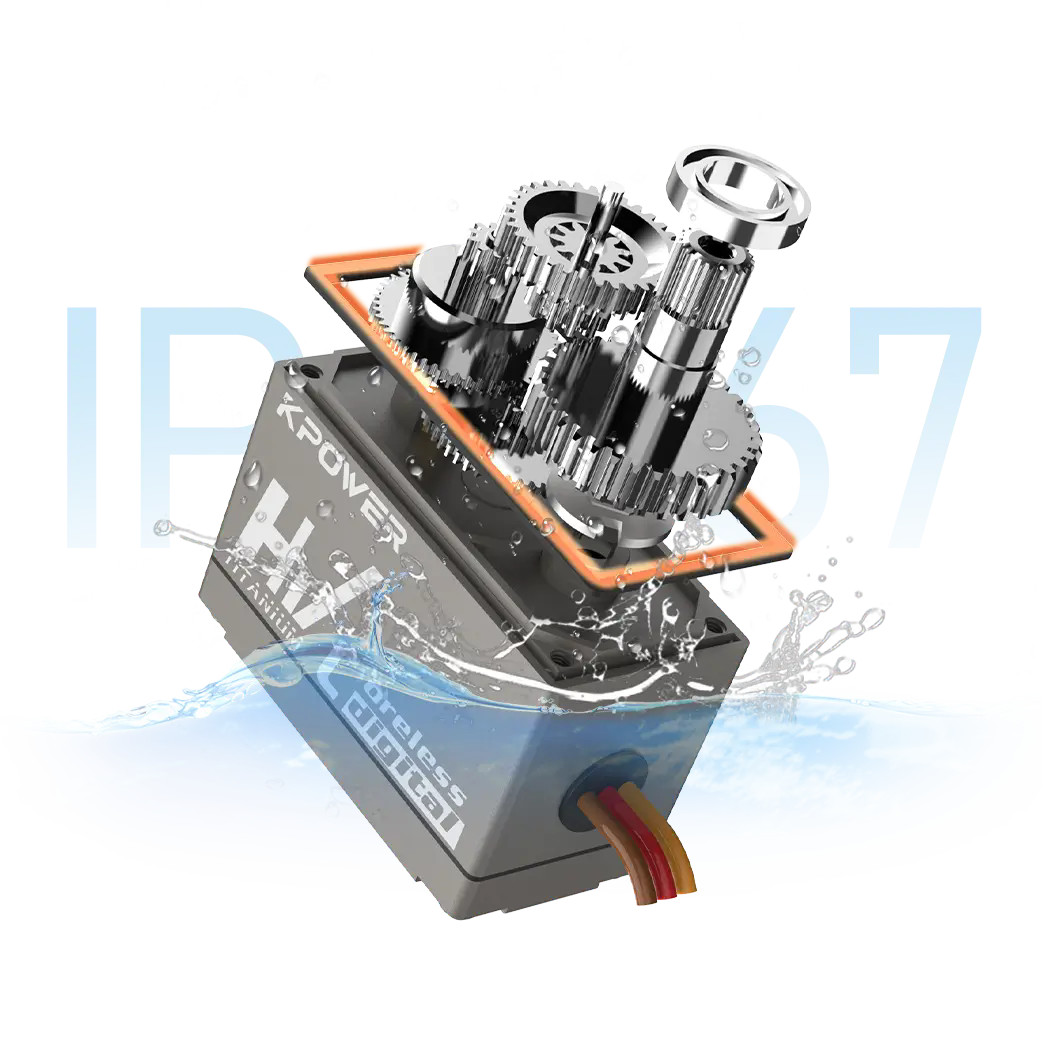
Environmental Rating:Check IP ratings for dust and water resistance if operating in harsh conditions.
07Frequently Asked Questions
Q: What is the main difference between a stepper and a servo motor?
A: Stepper motors open-loop and can lose steps under load. Servo motors use closed-loop feedback to correct errors, ensuring higher precision and torque at varying speeds.
Q: How does encoder resolution affect accuracy?
A: Higher encoder resolution provides more feedback pulses per revolution. This allows the controller to detect smaller position errors, resulting in smoother motion and finer positioning control.
Q: Can I use a generic driver with any servo motor?
A: No. Servo drivers are typically matched to specific motor models due to differences in winding resistance, inductance, and encoder types. Mismatched components can cause damage or poor performance.
Q: What is the purpose of tuning a servo system?
A: Tuning adjusts the proportional, integral, and derivative (PID) gains. Proper tuning minimizes overshoot, reduces settling time, and improves stability, especially when handling varying loads.
Q: Why is inertia ratio important?
A: A high inertia ratio makes the system sluggish and prone to oscillation. Keeping the ratio low ensures responsive acceleration and deceleration, which is critical for high-speed robotic arms.
Q: Do servo motors require regular maintenance?
A: Brushless servo motors have minimal moving parts and require little maintenance. However, checking cables, connectors, and cooling fans periodically helps prevent unexpected failures.
08Making a Better Long-Term Decision
Selecting the right servo system is not just about buying a component; it is about investing in process reliability. By understanding the principles of closed-loop control, you can avoid common pitfalls related to sizing, compatibility, and performance.
A well-chosenrobot servo motorreduces downtime, improves product quality, and lowers total cost of ownership. If you need assistance in selecting the optimalservo motor selectionfor your specific application, consider consulting with technical experts to ensure your system is built for precision and durability.
Contact our engineering team to discuss your requirements and receive a tailored proposal for your automation needs.
Update Time:2026-07-17

Contact Kpower's product specialist to recommend suitable motor or gearbox for your product.


